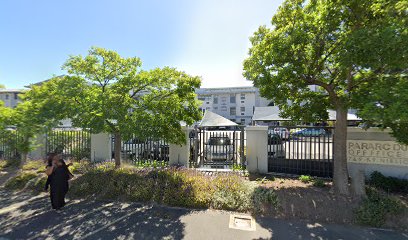
Vision Business School is a Business schools establishment in Cape Town, Western Cape, South Africa
Cape Town
Western Cape
7110
South Africa
Sorry, no records were found. Please adjust your search criteria and try again.
Sorry, unable to load the Maps API.
Education and Resources in Cape Town, Western Cape
Cape Town, situated in the Western Cape of South Africa, offers a diverse range of educational opportunities for learners at every stage. The city presents a blend of formal schooling, higher education, and vocational training within a dynamic urban environment that is complemented by nearby coastal and natural settings. Families exploring educational options will encounter institutions that prioritise academic development, practical skills, and personal growth, supported by extensive learning resources and services.
In Cape Town, the schooling landscape typically comprises urban and suburban public schools, independent schools, and specialised centres. Learners may follow national curricula at compulsory and senior levels, with choices that include core subjects, arts and humanities, sciences, technology, and language studies. For those seeking alternatives, there are schools with focus areas such as STEM, business studies, or arts, alongside programmes that emphasise well-being, inclusivity, and career preparedness. Attendance standards, assessment practices, and progression routes are guided by national and provincial frameworks, providing clear pathways from primary through to secondary education.
Higher education and post-secondary options in the metropolitan area span traditional universities, regional campuses of national institutions, and private or technical colleges. These institutions typically offer undergraduate and postgraduate degrees, diplomas, certificates, and professional qualifications across disciplines such as engineering, health sciences, humanities, natural sciences, education, and creative arts. Vocational and technical training is widely available, with programmes designed to equip learners with practical competencies aligned to labour market needs. Part-time study and distance learning alternatives are often accessible to support working students and families balancing commitments.
Learning support services are commonly available to assist diverse student needs. Academic support may include tutoring, study skills workshops, writing centres, and language development services. Student support also frequently encompasses counselling, career guidance, financial literacy assistance, and wellbeing programmes. Accessibility considerations are integral, with provisions for learners requiring accommodation, assistive technologies, and modified equipment to enable equitable participation in courses and activities.
Facilities and resources play a central role in the Cape Town education experience. Well-equipped libraries and study zones provide access to print and digital collections, study spaces, and research assistance. Laboratories for science and engineering disciplines offer hands-on experimentation, while computer labs and multimedia facilities support digital literacy and project work. Sports and recreation facilities, including fields, courts, pools, and fitness centres, contribute to a balanced educational experience. Student housing or approved accommodation options are often available nearby, accompanied by security, study support, and community life that fosters independence and peer networks.
Typical learning pathways are outlined through admission and registration processes that guide students from enquiry to enrolment. Prospective learners commonly navigate sets of steps such as selecting appropriate programmes, meeting entry requirements (which may vary by level and field of study), submitting necessary documentation, and meeting deadlines for applications or enrolment. Transition programmes, bridging courses, and preparatory modules are sometimes offered to support readiness for more advanced study or vocational training. Orientation programmes often accompany the start of a new academic year, helping learners acclimatise to campus life, services, and expectations.
Across the Cape Town region, prospective students and families can expect a supportive ecosystem that emphasises accessible information, flexible learning options, and opportunities to engage with communities of practice. While specific entry requirements, fees, and timelines depend on the chosen institution and programme, the overall framework typically centres on clear progression, practical preparation for the workforce, and opportunities for further study or professional development within a vibrant metropolitan setting.
Quick overview
- Types of institutions: schools, colleges, universities, and specialised training centres.
- Common programmes: undergraduate degrees, diplomas, certificates, A-level or equivalent senior programmes, and vocational qualifications.
- Support services: academic tutoring, counselling, career guidance, language development, and accommodation assistance.
- Facilities: libraries, laboratories, computer and media suites, sports and recreation facilities, and on-site or nearby accommodation.
- Pathways: guided admissions and enrolment processes, bridging and preparation courses, and orientation programmes for new students.