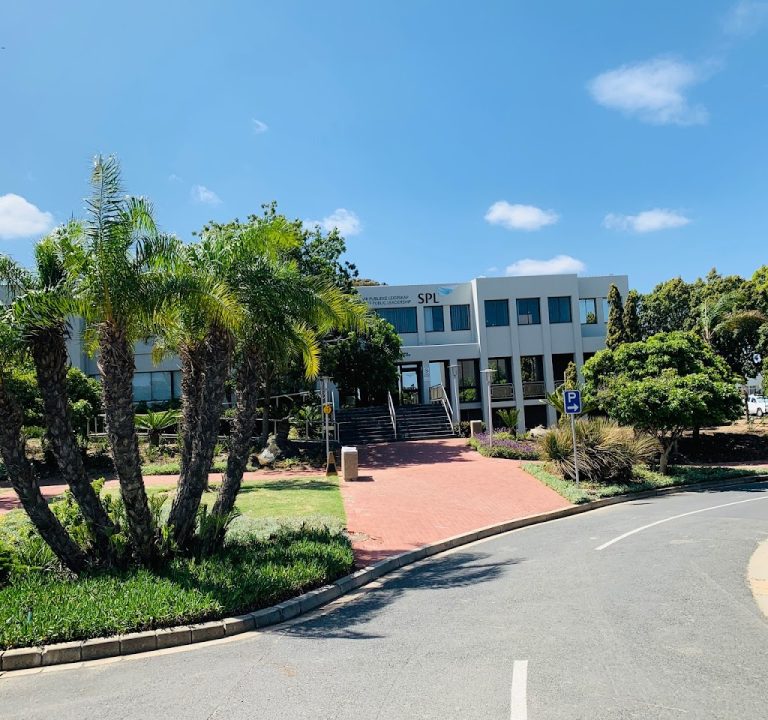
Stellenbosch Business School is a Business schools establishment in Cape Town, Western Cape, South Africa
Cape Town
Western Cape
7530
South Africa
Curriculum
Stellenbosch Business School (USB) offers a range of internationally accredited programmes designed to equip leaders with advanced management knowledge and practical capabilities. The curriculum spans Master of Business Administration (MBA), Master of Philosophy (MPhil) and Doctoral pathways, as well as bespoke postgraduate diplomas. Across these levels, the school emphasises core business disciplines alongside specialised fields such as futures studies, development finance, coaching, project management, sustainability and social impact. This integrated approach enables students to align academic study with real‑world priorities and societal responsibility.
At the heart of the curriculum is a focus on responsible leadership. The MBA, in particular, is positioned as a comprehensive leadership development programme that blends rigorous academic study with opportunities to cultivate ethical and impactful decision‑making. The school highlights its commitment to producing graduates who lead with accountability, and this emphasis is reflected in the overall programme structure as well as in elective choices that support leadership development and strategic thinking.
The MBA is offered in two flexible formats designed to accommodate working professionals. The Modular format combines on‑campus blocks with periods of study, while the Blended Learning format combines online components with on‑campus sessions. A notable feature for those pursuing the MBA with a focus is the inclusion of an International Study Module, which broadens exposure to global business environments, alongside a Leadership Development Journey that accompanies the academic content throughout the programme.
Specialised MBA streams enlarge the curriculum scope for professionals seeking sector‑specific expertise. The MBA in Health Care Leadership adapts core management concepts to the healthcare setting, while the MBA in Project Management focuses on integrating strategy, finance, operations and marketing to deliver results across industries. These pathways demonstrate USB’s commitment to applying managerial theory to practical and diverse contexts.
Beyond the MBA, USB presents a suite of postgraduate and research‑focused programmes. The MPhil offerings—Development Finance, Futures Studies, and Leadership Coaching—address finance for development, forward‑looking strategic planning, and professional coaching practices. Each MPhil emphasises a blend of theoretical insight and practical application, suitable for individuals pursuing specialisation in leadership, policy, or development finance scenarios.
Postgraduate Diplomas provide targeted, shorter‑cycle credentials in areas central to business leadership. Available diplomas cover Business Management and Administration, Development Finance, Futures Studies, Project Management, Leadership Development and Financial Planning. These diplomas are positioned as solid stepping stones toward more advanced study or managerial roles, offering essential knowledge across fundamental business disciplines as well as domain‑specific competencies.
In addition to formal degree and diploma programmes, the school maintains a robust ecosystem designed to connect academic learning with industry practice. Close cooperation with business partners supports governance, research collaboration and applied opportunities such as commissioned studies, access to recruitment platforms, and initiatives aimed at broader social impact. The presence of an active advisory board comprising local and global business leaders, alongside a thriving alumni network, reinforces a practical learning environment that extends beyond classroom boundaries.
USB also emphasises its research‑led approach to curriculum development. Knowledge creation through journals such as Stellenbosch Management Review, along with other research outputs and speaker events, provides ongoing access to contemporary business scholarship. This culture of enquiry helps ensure that curricula remain relevant to evolving management challenges and emerging trends, contributing to lifelong learning for graduates and alumni alike.
Student support and resources are embedded in the learning experience, with a framework that combines rigorous academic standards, leadership development, and opportunities to engage with industry. The curriculum is designed to be global in outlook while maintaining a distinctive African perspective, leveraging international experiences and the school’s extensive network to enhance learning outcomes. As a result, USB’s curriculum aims to cultivate responsible, forward‑looking leaders who can drive positive change within organisations and communities.
Faculties and Branches
Stellenbosch Business School (USB) operates as a premier business faculty within the University of Stellenbosch, based in the Western Cape of South Africa. While the institution emphasises its integrated approach to business education, it presents programmes across a core suite of postgraduate offerings rather than a large number of separate faculties. The school’s academic identity centres on leadership development, management education, and research-informed practice, underscored by its triple accreditation status (AACSB, EQUIS and AMBA). This combination signals a coherent framework in which learning outcomes are designed to align with international standards while remaining locally relevant for Africa and beyond.
The school’s learning ecosystem is reinforced by dedicated activity in research, teaching, and industry engagement. Research at USB is shaped through institutional partnerships and cross-cutting areas such as futures studies, development finance, coaching, project management, and sustainability. A prominent feature of the research endeavour is the Institute for Futures Research, which collaborates with USB on forward-looking analyses and applied studies that inform both academic and practitioner communities. The institution also disseminates knowledge through its publication channels, including the Stellenbosch Management Review, as well as via speaker events and seminars that connect scholars with business practitioners.
In terms of governance and community, USB maintains active external engagement through advisory and industry networks. The Advisory Board comprises local and global business leaders who help ensure that programmes remain attuned to the needs of the world of work. This external connection extends to formal and informal networks built around student services and career development opportunities. Notable examples of practice-oriented initiatives associated with USB include the Small Business Academy, which focuses on fostering entrepreneurship and support for small enterprises, the Lion’s Den, a platform for entrepreneurial pitching and incubation, and the Consulting Club, which provides practical exposure to consulting projects. These elements illustrate how faculties, centres, and student-facing services interact to deliver experiential learning alongside traditional academic pathways.
Programme structure at USB emphasises flexibility and relevance for working professionals. The offering spans the Master of Business Administration (MBA) with specialised streams such as Health Care Leadership and Project Management, as well as Master of Philosophy (MPhil) programmes in Development Finance, Futures Studies, and Leadership Coaching. Postgraduate Diplomas cover essentials in business management and administration, development finance, futures studies, project management, leadership development, and financial planning, while the Doctor of Philosophy (PhD) provides routes for those pursuing original research in business and management. These programmes collectively form the scholarly and professional core of USB, with delivery formats that accommodate part-time and blended learning arrangements.
For prospective students and stakeholders seeking information about where USB sits within the broader university and the South African higher-education landscape, the programmes page offers concise navigations to individual degrees, while the overarching university and school communications highlight accreditation, research, and societal impact. Further details about specific programmes, pathways, and entry requirements are available via the USB website, including direct links to the MBA, MPhil, Diploma and PhD offerings.
- Triple-accredited MBA pathways and specialised streams
- MPhil programmes in Development Finance, Futures Studies, and Leadership Coaching
- Postgraduate Diplomas in relevant business disciplines
- PhD in business and management
- Research units and partnerships (Institute for Futures Research; Stellenbosch Management Review)
- Student services and industry-linked initiatives (Small Business Academy, Lion’s Den, Consulting Club)
Overall, the USB structure aligns academic faculties with applied centres and industry connections, forming a cohesive environment for postgraduate business education in Cape Town and the Western Cape, with extended global links through its accredited programmes and alumni network. For more information, readers can explore the main programmes page and related sections on the USB site: https://www.stellenboschbusiness.ac.za/.
Registration Details
Stellenbosch Business School (USB) presents its programmes within a framework designed for working professionals and fatefully integrates academic rigour with practical relevance. Prospective students seeking to join USB should commence their registration journey through the official online avenues highlighted on the institution’s site. The primary entry point for applications is the dedicated online application area, where interested candidates can begin or complete the submission process for available programmes.
The university communicates that certain MBA streams, including the MBA Project Management option, have specific application statuses and dates. When applications are open, the site provides a direct pathway to Apply Now and access to related documentation such as programme brochures. In some instances, programme pages feature a downloadable brochure that outlines curriculum details, formats, and essential information for applicants, which can aid in understanding the scope and requirements of each pathway.
Registration is closely linked to the format chosen. USB offers flexible delivery formats, enabling candidates to select between blended learning and modular arrangements, with the possibility of on-campus blocks paired with online elements. For example, the MBA with a Project Management focus presents two delivery formats for Year 1, with Year 2 positioned as blended learning in some cases. Details regarding format options and how they align with personal and professional commitments are surfaced on the programme pages, which also indicate the overall duration and structure of the study pathway.
Where available, the site provides direct programme links to ensure applicants reach the correct registration pages efficiently. Returning applicants or those seeking broader information can navigate to the general Programmes section and select the specific degree or diploma of interest. Each programme page offers a concise overview alongside links to further information, including entry requirements if stated, and any exclusive elements such as international study modules or leadership development components that enrich the registration experience.
Official communications emphasise that USB holds triple accreditation, a factor which informs both the perceived value of the qualification and the registration decision. Prospective students may also encounter content related to financing and admission considerations within programme or news sections. For example, there are references to credit options and partnerships that may assist in planning the financial aspects of registration, with links to related information such as Capitec credit solutions where applicable.
Contact and support channels for prospective applicants are provided through the university’s online channels. While direct phone numbers and email addresses are not included here, the site’s navigation and the Apply Now links act as primary conduits for obtaining the most current information. Prospective applicants are encouraged to consult the relevant programme pages and the general subscriptions or newsletters sections to stay informed about updates to registration timelines, deadlines, and requirements.
For further information on applying or to access the latest application status, visit the USB website and navigate to the applicable programme page or the applications area. The following links may be useful for interested applicants:
Overall, the Registration Details approach at Stellenbosch Business School centres on guided application pathways, clear format options, and access to programme-specific information through official pages. The institution maintains transparency about accreditation, programme structure, and potential financing routes, supporting informed choices for prospective students in South Africa and beyond.
Sorry, no records were found. Please adjust your search criteria and try again.
Sorry, unable to load the Maps API.
Education and Resources in Cape Town
Cascadeing from urban districts to coastal suburbs, Cape Town sits within a rich educational landscape that serves learners of all ages. The Western Cape offers a diverse ecosystem of schools, further education and training (FET) colleges, universities, and specialised training centres. The city is supported by a robust network of libraries, learning laboratories, digital resources, and community programmes designed to widen access and support lifelong learning for residents and families alike.
Within primary and secondary education, families typically encounter state-funded public schools, independent schools, and specialised institutions that provide additional language support, inclusive education programmes, and varying curriculum options. Many schools organise extra-curricular activities, from sports and arts to science clubs, which help learners build skills outside the classroom and form essential peer support networks. For families seeking alternatives, private and faith-based schools frequently offer diverse approaches to pedagogy and schedules, alongside transitional programmes to assist learners moving between phases of schooling.
FET colleges and vocational training centres in the region provide practical, career-oriented learning aimed at improving employability. Courses often cover areas such as business administration, information technology, engineering technologies, hospitality, and creative industries. Training centres frequently offer short courses and modular certificates that can dovetail with the needs of local employers, permit targeted upskilling, and support career transitions. Apprenticeships and learnerships are commonly available to bridge academic study with hands-on experience in the workplace.
Universities and higher education institutions in the area typically deliver undergraduate and postgraduate programmes across faculties such as humanities, sciences, health sciences, engineering, and social sciences. They also maintain research units, community engagement projects, and professional development offerings that attract a broad range of students, including international learners. Open days, application clinics, and foundation or preparatory routes help prospective students understand degree requirements, application timelines, and financial planning.
Learning support and student services are central to the Cape Town educational scene. Accessible libraries and information hubs provide study spaces, reference materials, and online databases. Language support, academic writing centres, tutoring programmes, and disability services assist learners in navigating coursework and examinations. Student welfare services commonly address accommodation options, mental health, financial guidance, and peer mentoring, contributing to a supportive environment for study and personal growth.
Facilities across the region often feature well-equipped laboratories for science, engineering, and digital media; computer labs with up-to-date software; theatre and performing arts spaces; and sports complexes for track, field, swimming, and indoor activities. On-campus accommodation or partner housing options may be available for students who relocate for study, with considerations for safety, accessibility, and affordability. Public transport links and university shuttle services frequently facilitate convenient access to campuses from different parts of the metropolitan area.
Typical pathways for learners generally involve a level of guidance in admissions or registration, with clear articulation between secondary schooling, further education, and higher education. Prospective students are advised to explore entry requirements, recognition of prior learning, and bridging or foundation courses if needed. Financial planning, including access to bursaries, scholarships, and loan schemes where relevant, is an important aspect of preparation for study in Cape Town.
- Explore options across primary, secondary, and post-secondary institutions to identify suitable programmes.
- Consider language support, disability services, and academic tutoring as part of the learning journey.
- Look into vocational, technical, and apprenticeship routes alongside traditional degree programmes.
- Investigate library and digital resources, research facilities, and available student services.
- Plan admission or registration steps, including any preparatory or bridging courses if necessary.
Overall, Cape Town presents a comprehensive framework for education and lifelong learning, with a focus on accessibility, practical outcomes, and a supportive network of facilities and services designed to meet diverse learner needs.