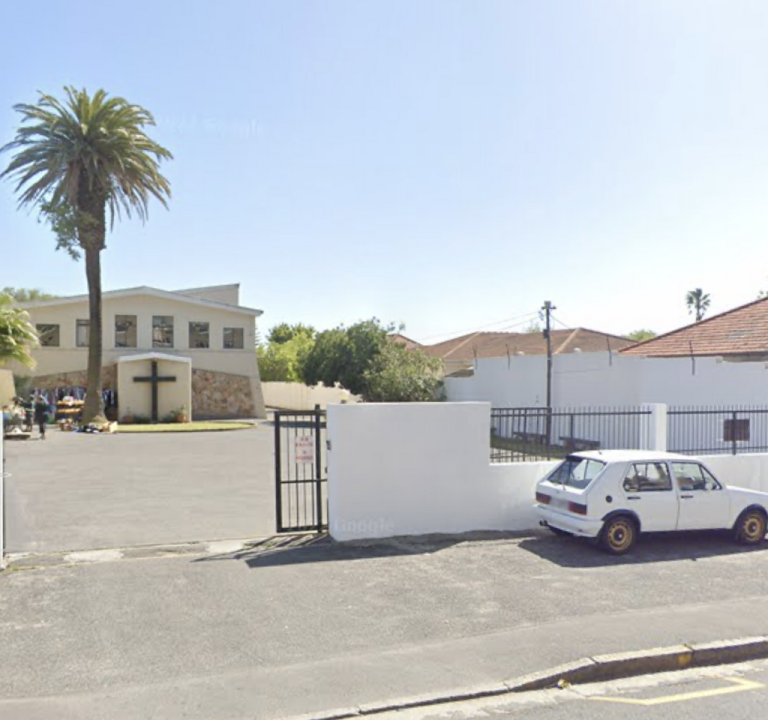
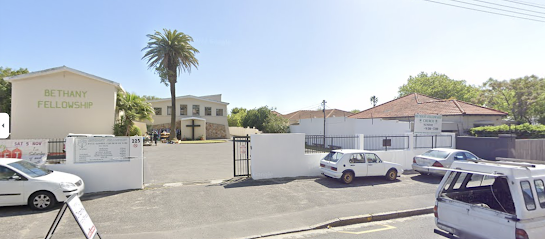
Life Skills Facilitators is a Business schools establishment in Cape Town, Western Cape, South Africa
Cape Town
Western Cape
7800
South Africa
Sorry, no records were found. Please adjust your search criteria and try again.
Sorry, unable to load the Maps API.
Education and Educational Resources in Cape Town, Western Cape
Cape Town offers a rich tapestry of learning spaces for learners of all ages and interests. In the city and its surrounds, families can access a diverse mix of schools, further education colleges, universities, and specialised training centres. The range caters to mainstream academic routes, vocational training, and continuing education, with many institutions embracing modern teaching methods and flexible learning options to accommodate varying schedules and responsibilities.
Schools in Cape Town typically provide a spectrum of programmes aligned with national curricula, from primary through to secondary education and senior phase assessment. Across the city, learners often encounter schools that emphasise core academic subjects alongside arts, physical education, and technology. Modern schools frequently offer additional support services such as language development, learning support interventions, pastoral care, and guidance on study skills and exam preparation. Language of instruction varies by school, with many offering bilingual or multilingual programmes designed to assist learners from diverse backgrounds.
Colleges and further education centres in the region emphasise practical and technical preparation. Programs commonly cover disciplines such as business administration, information technology, engineering technologies, health and social care, creative industries, and hospitality. Courses may be delivered at certificate, diploma, or higher education level, with pathways designed to bridge from one qualification to the next or to progression opportunities in higher education. Flexible delivery options, including daytime, evening, and weekday or weekend study, are frequently available to accommodate work, family commitments, and remote locations.
Universities and research institutions in the area provide a broad array of undergraduate and postgraduate study, professional qualifications, and specialised research programmes. Although specific offerings vary by institution, typical areas include humanities, sciences, engineering, business, medicine, and the arts. Many universities in the region emphasise hands-on learning through laboratories, studios, fieldwork, and community partnerships. For learners considering postgraduate study, opportunities often exist to pursue research degrees, professional doctorates, and advanced professional diplomas, complemented by access to libraries, digital resources, and dedicated study spaces.
Learning support and student services form a common backbone across educational settings. Learners may access academic advising, tutoring, study skills workshops, language support, disability services, and mental health and wellbeing resources. Admissions processes usually require formal qualifications or recognised proofs of prior learning, with guidance available on recognition of prior learning (RPL), entry requirements, and deadlines. Prospective students are encouraged to explore admissions criteria well in advance and to seek information on application portals, open days, and financial support options where available.
Facilities and resources commonly available to learners in Cape Town include well-stocked libraries, computer laboratories, science and engineering laboratories, and specialised media and design studios. Sports facilities, fitness centres, and outdoor recreation areas support physical education and recreational activities. Accommodation may be available in institutional residences or partner housing near campuses, and in some cases private accommodation is accessible with varying proximity to educational sites. Cultural facilities, student unions, and activity centres contribute to a holistic learning environment that blends academic study with social and cultural engagement.
Paths through the educational landscape typically begin with careful consideration of personal interests, prior qualifications, and long-term objectives. High school students often plan for university admission or vocational routes, while mature learners may pursue professional development or retraining opportunities. Registration tends to involve submitting necessary documents, meeting deadlines, and selecting modules or programmes that align with career aims. Throughout the Western Cape, prospective students can generally anticipate a structured progression from introductory levels to more advanced study, supported by advising services, campus resources, and a community of peers and staff dedicated to learning success.
- Schools offering continuous assessments, supportive classrooms, and inclusive education practices.
- Colleges providing technical and professional programmes with practical placements and industry links.
- Universities delivering broad undergraduate curricula, research opportunities, and postgraduate pathways.
- Training centres specialising in digital skills, language courses, trades, and personal development.
- Library networks, laboratories, arts and media facilities, sports complexes, and student housing options.
Overall, the Cape Town education scene presents a multi-faceted ecosystem designed to meet diverse learner needs. Access to resources, interdisciplinary opportunities, and a supportive service framework enables learners and families to navigate options and plan coherent educational trajectories within the Western Cape.