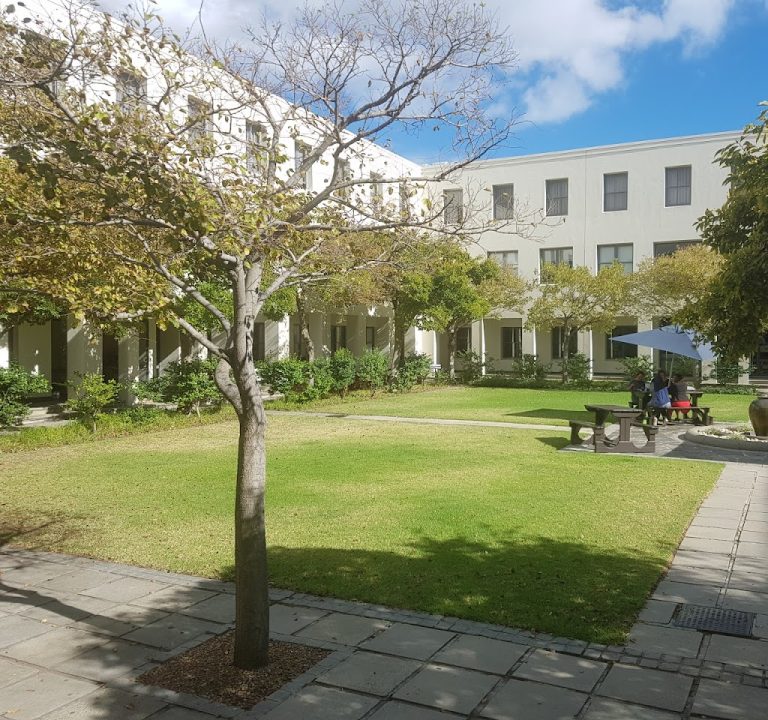
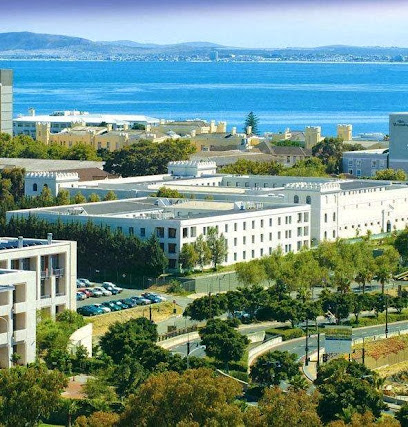
UCT Graduate School of Business is a Business schools establishment in Cape Town, Western Cape, South Africa
Cape Town
Western Cape
8002
South Africa
Sorry, no records were found. Please adjust your search criteria and try again.
Sorry, unable to load the Maps API.
Education and Resources in Cape Town, Western Cape
Cape Town sits within the Western Cape’s diverse educational landscape, offering a broad spectrum of learning environments for learners and families. From early years programmes to higher education and specialised training, the city provides access to institutions that support different interests, ambitions, and budgets. The emphasis across the region is on practical pathways alongside academic studies, with an increasing focus on lifelong learning and skills development for the job market.
Types of institutions commonly found in and around Cape Town include primary and secondary schools, both public and independent, which typically deliver curricula aligned with national and provincial guidelines. In addition, further education and training (FET) campuses and vocational training centres provide hands-on programmes that prepare learners for trades, technical roles, hospitality, health, and information technology, among others. Higher education opportunities span a range of universities and dedicated learning centres that cater to undergraduate and postgraduate study, as well as professional qualifications. Adult education facilities and community learning centres also play a role for those returning to study or seeking flexible options.
Common programmes and levels cover the full spectrum from foundation programmes for younger learners through to matriculation, diploma and degree courses, and professional qualifications. Vocational and career-focused programmes are widely represented, enabling pathways into industries such as engineering, business, science, arts, and education. Short courses, cram programmes, language courses, and diploma pathways provide alternatives for skills enhancement, personal growth, and professional development. Flexible study options, including part-time and distance learning, are available at many institutions to accommodate working commitments and family responsibilities.
Learning support and student services are routinely provided to assist learners with transitions and ongoing success. General services often include academic tutoring, counselling, language support for multilingual learners, disability support, and guidance on higher education admissions. Financial aid, bursaries, and information about scholarships may be available through institutions or centralised services, with assistance navigating funding opportunities and application timelines. Support for international learners and asylum-seekers is typically available through specialised departments within larger institutions or through regional education authorities.
Facilities and resources commonly cited by learners and families include well-stocked libraries with quiet study spaces, extensive online resources, science and computer laboratories, and dedicated media and learning technology centres. Sports complexes, theatre spaces, art studios, and music facilities are often complemented by study areas and social spaces that support campus life. Accommodation arrangements vary, with on-site residences or nearby private housing options commonly used by students who travel from other areas or require more flexible living arrangements during their studies.
Typical pathways for admissions and registration involve a school-to-university transition framework or a college enrolment process. Prospective students usually navigate application windows, submit academic records, and meet minimum eligibility criteria for chosen programmes. Support teams within schools, colleges, and universities commonly assist with choosing suitable courses, meeting deadlines, and preparing for interviews or entrance assessments. Centralised information portals and guidance services offer practical steps for planning the next step, including calendar planning, campus tours, and application checklists.
For those seeking more information, regional education authorities and national education portals provide access to programme outlines, entry requirements, and funding opportunities. Visitors and residents may explore official websites for general guidance on education in the Cape Town area and the Western Cape, as well as sector-specific resources for libraries, museums, and public learning spaces that support informal education and community access.
Overall, the educational ecosystem in Cape Town is characterised by a mix of traditional classroom learning, practical training, and supportive services designed to help learners progress through education and into skilled employment. The emphasis is on accessibility, flexible study options, and comprehensive student support to accommodate diverse pathways and life circumstances.
Further information can be found through regional and national education portals, including government and provincial education pages, which offer programme details, admissions guidance, and resources for families planning the next steps in education. Western Cape Government and Department of Basic Education provide starting points for exploring options in the area.