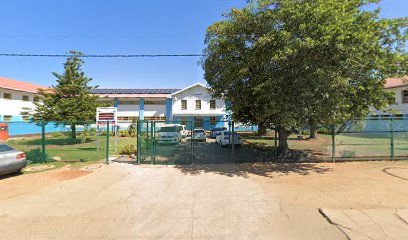
Uitenhage High School is a Public educational institution establishment in Kariega, Eastern Cape, South Africa
Kariega
Eastern Cape
6241
South Africa
Sorry, no records were found. Please adjust your search criteria and try again.
Sorry, unable to load the Maps API.
Education and Resources in Kariega, Eastern Cape
Across Kariega in the Eastern Cape, learners and families encounter a diverse landscape of educational opportunities designed to support progression from early schooling through to higher education and vocational training. The area hosts a range of institutions that serve local communities, including government-supported schools, private providers, further education colleges, and post‑school training centres. These facilities typically aim to offer accessible pathways for residents, with a focus on practical skills, academic grounding, and lifelong learning.
Schools in Kariega commonly provide education for primary and secondary levels, with curriculum aligned to national standards and local requirements. In addition to core subjects, schools may offer programmes centred on inclusive education, arts and culture, sciences, and mathematics support. Learners often benefit from school-based services such as guidance for study choices, career information, and learning support designed to assist students who require additional help or enrichment. Families frequently find community engagement opportunities, school-based clubs, and sports programmes that foster teamwork and personal development.
Further education and training options in the region include dedicated colleges and specialised training centres. These institutions typically deliver a mix of diploma and certificate programmes, short courses, and stackable credentials that support both immediate employment and further study. Programmes commonly cover areas such as business, information technology, engineering studies, hospitality and culinary arts, health and social care, and construction trades. Flexible delivery modes, including day and evening classes, are often available to accommodate work schedules and family commitments.
The higher education landscape nearby provides access to universities and campuses where students can pursue undergraduate degrees, postgraduate studies, and professional qualifications. At this level, learners may encounter a range of faculties and disciplines designed to support academic advancement, research, and professional accreditation. Support services typically extend to academic literacy development, writing and study skills, tutoring, and career guidance, helping students navigate programme selection and transition to postgraduate study or employment.
- Typical programmes by level:
- Primary and secondary education with core and enrichment subjects
- National Diploma and Higher Certificate programmes in business, IT, engineering, and health
- Vocational courses in trades, hospitality, and creative industries
- University undergraduate degrees and postgraduate studies
Learning support and student services are generally designed to assist learners throughout their education journey. Library access is commonly a central feature, offering quiet study spaces, reference materials, digital resources, and study rooms. Practical laboratories, science and computer labs, and workshop facilities frequently accompany classroom instruction, enabling hands-on learning and experimentation. Sports facilities, fitness areas, and organised extracurricular activities contribute to student well-being and community integration. Where available, accommodation options provide on-campus or nearby housing for students relocating from other areas, with a focus on safety, affordability, and social support networks.
Typical admissions pathways begin with registration or enrolment at the relevant institution, followed by the submission of required documents, assessment where applicable, and placement into appropriate programmes. Prospective students are encouraged to explore course outlines, entry requirements, and the availability of learner support resources before making selections. Some institutions offer application guides and information sessions to assist families in understanding logistics, funding possibilities, and timelines. Networking with guidance counsellors, teachers, and community education officers can help navigate the options and plan a coherent educational route from school to higher learning or skilled employment.
Overall, Kariega presents a broad spectrum of educational resources geared towards fostering resilience, academic achievement, and practical capability. The combination of schools, colleges, and higher education access points supports a continuum of learning that can adapt to changing interests, labour-market needs, and individual aspirations. More information about specific programmes and services can typically be found through official education portals and individual institution websites.