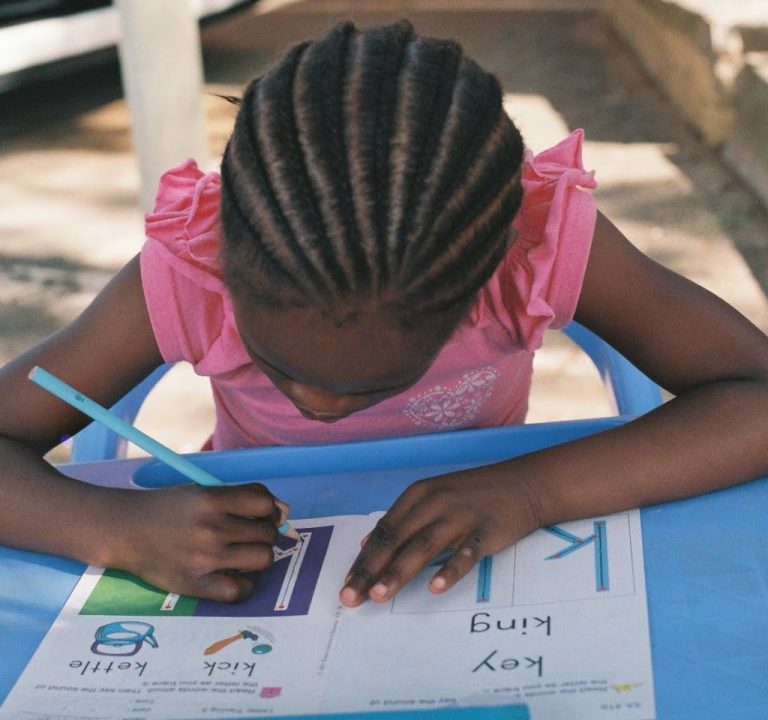
Fichardtpark Kumon Study Centre is a Education centers establishment in Bloemfontein, Free State, South Africa
Bloemfontein
Free State
Fichardt Park, Bloemfontein
South Africa
Curriculum
The Fichardtpark Kumon Study Centre in Bloemfontein is part of the global Kumon network, which traditionally emphasises a structured, self-learning approach to mathematics and reading. While specific programme details, level breakdowns, and entry requirements are not provided on the centre’s current page, the overarching philosophy evident across Kumon programmes centres on steady, personalised progression rather than a one-size-fits-all timetable. The centre presents itself as offering a learning pathway designed to cultivate independent study habits, confidence, and continual improvement through consistent practice and routine.
In general terms, Kumon study centres focus on two core strands: mathematics and reading (comprising language arts and early literacy skills). The curriculum typically progresses through a sequence of determined levels, with learners advancing as mastery is demonstrated in periodically reviewed worksheets. The approach is characterised by daily practice and long-term consistency, encouraging students to work at their own pace while gradually expanding both fluency and comprehension. Although specific grade or age targets are not listed for the Fichardtpark site here, the broader Kumon model commonly accommodates a wide range of starting points, from foundational numeracy and literacy through to more advanced topics as readiness allows.
Curriculum design in the Kumon framework is frequently described as being self-contained and diagnostic. Students begin with materials that align to their current abilities and then advance through incremental challenges. The emphasis is on developing automaticity and precision in basic skills, which in turn supports more complex learning across numerical operations, problem solving, reading comprehension, and critical thinking. The intent is to build a solid mathematical foundation and robust literacy competencies that can provide a springboard for further academic activities beyond the centre setting.
For prospective families and learners seeking a clear structure, the centre’s page indicates a focus on consistent engagement rather than episodic or cram-based instruction. The long-term aim is to cultivate independent learners who can sustain steady progress between visits, helped by regular assessments that guide next steps in the curriculum. While the exact content of worksheets or the recommended daily time commitments are not detailed on the site, the prevailing Kumon methodology prioritises regular practice and personal accountability as mechanisms for progression.
The centre may offer various levels or programmes within mathematics and reading to accommodate differing starting points and learning speeds. However, due to the absence of explicit course lists, duration estimates, or fee information on the site, such details cannot be confirmed here. General expectations in Kumon programmes include structured worksheets that learners complete outside of structured classroom time, with periodic review sessions to calibrate the plan according to demonstrated competence. This model is designed to provide a clear, long-term trajectory that learners can follow with guidance from Kumon instructors or staff who oversee placement and progression without delivering traditional classroom lectures.
Regarding resources and support, Kumon centres typically provide a consistent set of materials and worksheets, along with guidance on how to establish a home practice routine. The role of staff generally includes monitoring progress, ensuring appropriate material selection, and supporting learners in maintaining motivation and organisation. Specifics about additional learning aids, digital supplements, or online components are not stated on the Fichardtpark centre page, so readers are advised to verify directly with the centre for any updates on blended or online options.
For families considering this centre, the emphasis appears to be on a reliable, personalised approach to fundamental skills through a programme that prioritises regular practice, gradual mastery, and self-directed study. The curriculum is framed to support ongoing development in core academic competencies, while information about curriculum specifications, level names, and operational details would best be obtained directly from the centre or through the main Kumon South Africa website via the linked portal.
- Note: No telephone numbers or email addresses are provided here. See the official Kumon South Africa site for contact information and current programme details: Kumon Bloemfontein – Fichardt Park.
Faculties and Branches
The specific page for the Fichardt Park Kumon Study Centre in Bloemfontein appears to be unavailable at the moment, and no explicit details about faculties, departments, or local branches are listed on the page that is accessible. Consequently, there are no published particulars about the internal structure of this particular centre or its relationship to other Kumon locations.
In the Kumon network, learning centres typically operate as individual study sites that deliver the Kumon Programme through guided self-study, supported by instructors and coordinators who assist students with maths and reading materials. Centres function as the primary touchpoint for programme access, placement, and progression, while being part of a broader national framework that standardises materials, curricula, and assessment practices across branches. The exact naming of faculties or departments may not be uniformly used across all centres; instead, staff roles generally cover instructional support, student services, and administrative coordination.
For prospective students and guardians seeking information about the Fichardt Park site specifically, the most reliable route is to consult the main Kumon South Africa website or contact the regional office for guidance on enrolment processes, availability of programmes, and typical centre operations. Visitors may also review the general Kumon South Africa pages for a broader understanding of how centres are organised, what subjects are offered (notably mathematics and reading programmes), and how progression and placement are managed within the network.
In summary, while explicit details about faculties, branches, or campus-level departments for the Fichardt Park centre are not available on the provided page, the Kumon model generally places emphasis on centre-based delivery of self-study programmes supported by trained staff, within a nationwide framework that ensures consistency in programme content and assessment. For further information, please visit the official Kumon South Africa website: Kumon South Africa.
Registration Details
The registration details for Fichardtpark Kumon Study Centre in Bloemfontein, Free State, South Africa are not fully published on the provided page. Prospective learners and guardians seeking information should expect standard Kumon registration practices as implemented by the Bloemfontein Fichardt Park site and the broader Kumon South Africa network. This section offers a general overview based on common industry practice and available pointers from the centre’s online presence.
Overview of the application process
Registration typically involves expressing interest in enrolling a student, followed by confirmation of eligibility and placement. The process is designed to assess the learner’s current level and to determine the appropriate Kumon programme. While specific steps, timelines, and documentation may vary, the centre’s official page is the primary reference for any site-specific requirements.
Where to apply
Applications and further information are typically accessed through the centre’s dedicated page. The current reference page for the Bloemfontein Fichardt Park Kumon Study Centre is available at the following URL:
Kumon Bloemfontein – Fichardt Park
Documentation and eligibility
Specific documents, if required, are not listed on the provided page. In general Kumon registration commonly involves standard learner information and consent, but exact documents, eligibility criteria, and any age or level prerequisites should be obtained directly from the centre’s site or by contacting the centre through official channels.
Programme placement and assessment
Details regarding the initial assessment, placement tests, or trial lessons are not stated on the page supplied. It is advisable to review the official site regularly or contact the centre to confirm whether an assessment is required, how it is conducted, and whether there are any preparatory recommendations for new learners.
Fees and timelines
Any information about registration fees, programme fees, or registration timelines is not provided on the page. Prospective parents and students should consult the centre’s official page or reach out to the centre directly for up-to-date information on costs and scheduling.
Contact and support
Direct contact details are not published in the supplied content. The official Kumon South Africa network page and the Bloemfontein Fichardt Park site are the appropriate sources for finding contact options, requesting information, and obtaining support related to registration. Users are encouraged to use the site link above to access the latest information and guidance.
Notes for readers
- Because the provided page does not list specific registration steps, readers are advised to rely on the centre’s official page for precise instructions, requirements, and deadlines.
- When in doubt, utilise the website link above to locate the most current information and any downloadable forms or notices related to enrolment.
Sorry, no records were found. Please adjust your search criteria and try again.
Sorry, unable to load the Maps API.
Education and Educational Resources in Bloemfontein, Free State
Bloemfontein, situated in the Free State province of South Africa, is a hub for education that serves learners across a broad spectrum of ages and interests. The city encompasses primary and secondary schools, higher education institutions, vocational training centres, and a range of supplementary programmes designed to support academic achievement and lifelong learning. The landscape presents options that are suitable for families seeking standard schooling as well as for individuals pursuing specialised training and professional qualifications.
In terms of schooling, Bloemfontein hosts a variety of public, aided, and independent schools that offer curricula aligned with national education standards. Many schools provide additional learning support, language and literacy programmes, and extracurricular activities that contribute to holistic development. Parents and learners commonly encounter schools that emphasise inclusive education, inclusive sport, arts, and technology-enhanced learning environments. Admissions processes are typically coordinated through individual schools or their governing bodies, with information often available online to help families plan ahead.
Higher education and tertiary study are well represented in Bloemfontein. The city is home to institutions offering undergraduate and postgraduate programmes across disciplines such as humanities, sciences, engineering, health sciences, and business. Prospective students frequently explore degree options, diploma pathways, and vocational routes that align with career aspirations. Entry requirements vary by programme and level, with guidance commonly provided through institutional websites and admissions offices. While specific rankings and fee structures fluctuate, there is a shared focus on accessible pathways, transfer arrangements, and opportunities for credit recognition from prior study.
Beyond universities, Bloemfontein hosts colleges and training centres that specialise in practical and technical education. Many provide short courses, certificates, and stackable credentials intended to improve employability and industry readiness. These centres often collaborate with local employers and industry bodies to ensure curricula reflect current practices and future workforce needs. For families and learners pursuing career transitions, such facilities can present flexible options including part-time study and evening classes.
Learning support and student services form a common facet of the Bloemfontein educational landscape. Libraries, reading rooms, computer labs, and multimedia resources appear across schools, colleges, and universities, offering quiet study spaces and access to information literacy programmes. Academic support services—such as tutoring, study skills workshops, and disability services—are typically available to assist learners in reaching their educational goals. Counselling and career guidance services are also present in many institutions, helping learners navigate course choices, financial planning, and future study or work pathways.
Facilities and resources frequently highlighted in Bloemfontein include well-equipped science and computer laboratories, engineering workshops, and practical training kitchens or studios in vocational settings. Sporting facilities, gyms, playing fields, and indoor courts commonly accompany campuses and schools, contributing to a balanced educational experience. Accommodation options near campuses can range from on-site student residences to private rental homes and family-friendly housing in surrounding neighbourhoods, offering accessibility to learning spaces and campus life.
Typical pathways through Bloemfontein’s educational system begin with school enrolment, followed by examinations that determine subject choices and progression. For higher education, the process generally involves submitting an application, meeting programme-specific entry requirements, and observing deadlines for registration and enrolment. Prospective learners are advised to consult official institution websites for detailed information on programmes, admissions, financial aid where available, and important dates. Information may also be accessed through provincial education portals or regional guidance services that summarise available resources for families and learners.
- Types of institutions: primary and secondary schools, universities, colleges, and vocational training centres
- Common programmes: undergraduate and postgraduate degrees, diplomas, certificates, and industry-aligned short courses
- Support and services: libraries, tutoring, language support, career guidance, and disability services
- Facilities: laboratories, studios, sports facilities, and accommodation options
- Pathways: admissions, registration, transfer arrangements, and guidance on financial planning
For those seeking further information, official websites of Bloemfontein-based institutions and regional education authorities provide up-to-date guidance and available resources across the education spectrum.