
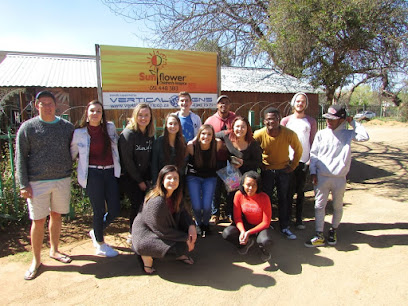
CTU Training Solutions Bloemfontein is a Private educational institutions establishment in Bloemfontein, Free State, South Africa
Bloemfontein
Free State
9330
South Africa
Curriculum
CTU Training Solutions’ Bloemfontein campus sits within a national network of higher education campuses that emphasise practical, job-ready learning. The curriculum across CTU’s Career Division blends accredited qualifications with career-focused studies, designed to equip learners with both theoretical understanding and hands-on skills. The offering spans degree and diploma qualifications, as well as applied programmes that align with contemporary industry needs. prospective students may explore pathways in design, information technology, business and management, engineering-related disciplines, and environmental disciplines, among others, all supported by a framework that values real-world application and professional relevance.
The campus participates in CTU’s broader qualification structure, which aggregates faculties and specialised streams into a coherent journey from entry to advanced study. Learners can engage with programmes at varied levels, including diploma courses, bachelor-level qualifications, and higher certificate options. This structure enables individuals to select a path that corresponds to their current qualifications, career objectives, and aspirations, while still retaining opportunities to advance to more senior qualifications as required. The emphasis is on marketable competencies, industry-recognised standards, and the development of professional proficiency within chosen fields.
Areas of study commonly addressed within the CTU curriculum reflect the institution’s broad spectrum of strengths. Creative and design disciplines are represented through visual communication and graphic design‑related qualifications, focusing on branding, digital design, and visual storytelling. In information technology and software development, programmes cover core concepts, programming fundamentals, and applied IT disciplines aligned with international certifications and industry expectations. Engineering-related studies address civil engineering concepts, architectural draughting, computer‑aided design practice, and related technical competences. Business and management offerings include project management, human resource management, and related governance and leadership skills. Across these areas, the curriculum is designed to cultivate critical thinking, problem-solving, collaboration, and ethical practice within modern workplaces.
Curriculum delivery reflects CTU’s commitment to flexible, future‑oriented learning. The institution emphasises technology-enabled study with a learning platform that extends beyond campus boundaries, enabling students to study from anywhere and at any time. This blended approach supports a mix of contact sessions, online resources, and practical tasks, allowing learners to balance study with personal and professional commitments. Assessment strategies typically combine theoretical understanding with applied tasks, portfolio work, and project-based outputs that mirror real‑world challenges encountered in respective industries.
Short courses and professional training form a notable component of the offerings under CTU’s Corporate Training Unlimited umbrella. These programmes address immediate workforce development needs and cover areas such as software tools, IT certifications, and essential soft skills. For organisations and individuals seeking rapid upskilling or targeted development, these short courses provide practical, industry-relevant modules designed to deliver tangible workplace benefits in a compressed timeframe.
Student support services at CTU aim to empower learners throughout the curriculum. A dedicated student support team provides guidance on study planning, progression, andcareer development. The campus environment is complemented by access to national resources and online platforms that enhance learning continuity, regardless of location. Information on admissions, prospects, and course entries is available through the CTU study pages and prospectus, with further assistance available via the campus and central CTU contact channels.
Distinctive resources within the CTU curriculum include the integration of 4IR perspectives and technology-enabled learning practices. The emphasis on innovative delivery, industry alignment, and international benchmarks helps ensure that Bloemfontein students develop competencies that are transferable to local government, private sector, and global employment markets. For those seeking a clear pathway to accredited credentials, CTU’s prospectus and faculty pages provide detailed information about qualifications, faculties, and progression options available across campuses, including Bloemfontein.
In summary, the Bloemfontein curriculum reflects CTU’s overarching aim: to produce skilled, qualified, and certified professionals ready to contribute to socio‑economic growth. Learners encounter a balance between theory and practice, access to a flexible learning platform, and the support structures necessary to navigate their chosen study pathway—from diplomas and degrees to targeted short courses and corporate training opportunities.
Further information on specific programmes, faculties, and entry points can be explored through CTU’s main study pages and the Bloemfontein campus page: CTU Bloemfontein Campus.
Faculties and Branches
CTU Training Solutions Bloemfontein operates within a wider national framework designed to provide diverse qualifications across several faculties and specialised departments. As an independent educator, the institution is presented as part of a nationwide network that emphasises both practical career preparation and broader educational pathways. The Bloemfontein campus sits within this framework, contributing to a coherent range of programmes designed to equip learners with industry-ready skills.
Across CTU’s national footprint, a common structure is reflected in several broad divisions that align with the featured qualification areas. These include design-focused disciplines, information technology and software development, engineering-oriented studies, business and management programmes, and environmental science related qualifications. While specific departmental nomenclature can vary by campus, the overarching design consistently ties applied learning to recognised industry standards and international certifications where applicable. The presentation of study tracks through CTU’s online materials highlights a philosophy of applied design, digital literacy, and professional practice across multiple fields.
At Bloemfontein, as with other CTU campuses, aspects of student support and service delivery are described as integrated with the academic divisions. This arrangement typically encompasses access to campus facilities, study guidance, and connection to the broader CTU learning platform, which enables flexible study options and continuing access to course materials. The emphasis on practical, career-oriented qualifications is reinforced by the advertised range of programmes that cater to design, IT, engineering, business management, and environmental sectors. These links illustrate how departmental offerings connect with real‑world applications, industry partnerships, and pathways to accreditation or professional recognition where relevant.
CTU’s National Open Day communications and campus pages indicate that Bloemfontein is part of a wider set of national campuses that collectively provide both on‑campus learning and remote or blended study opportunities. The Bloemfontein campus therefore contributes to the national capability to tailor student experiences—whether acquiring a foundational certificate, pursuing higher education qualifications, or engaging in short-courses and micro-credentials designed for workforce development.
For prospective students, the Bloemfontein site is presented within the broader CTU ecosystem as a gateway to study at the institution’s campus and to access CTU’s established pathways for qualification studies (the Career Division) alongside corporate and continuous professional development through Corporate Training Unlimited. Information on the Bloemfontein campus page, together with the faculties overview and qualification listings, provides visitors with an understanding of how local offerings fit into the larger CTU framework of qualifications, campus life, student services, and career readiness.
In summary, CTU Training Solutions Bloemfontein contributes to a national architecture of faculties and branches that prioritise applied learning, industry alignment, and flexible access. Learners explore programmes across design, IT, engineering, business, and environmental disciplines, with campus-specific support built on CTU’s larger learning platform and network of campuses. Visitors may consult the Bloemfontein campus page for campus-specific details and navigate to the main CTU site for information on faculties, programmes, and national campus resources.
- Campus: Bloemfontein, Free State, South Africa. Bloemfontein Campus
- National footprint: CTU operates multiple campuses nationwide with integrated online learning.
- Key programme areas (as presented by CTU): design/visual communication, information technology, engineering, business/management, environmental science.
Registration Details
CTU Training Solutions’ Bloemfontein campus forms part of a nationwide network of CTU Career Campuses offering a range of qualifications designed to equip learners with practical skills and recognised certifications. Prospective students exploring study options in Bloemfontein can engagingly review the available disciplines through the central CTU site and the Bloemfontein campus page, which together present the breadth of programmes on offer and the pathways to study.
Application and registration processes are presented in a broad, student-friendly manner across CTU’s online platforms. Applicants are advised to begin by exploring CTU’s study options and campus information, then proceed to the section that aligns with the desired qualification or campus. The Bloemfontein campus page provides campus-specific context, while the broader CTU pages reflect the national footprint, including the flexibility of study through an online learning platform. This combination supports prospective learners in determining the most suitable route, whether pursuing a diploma, degree, or corporate training options.
Where to apply: interested individuals should consult the Bloemfontein campus information to identify local contact points and visit the CTU site sections dedicated to qualifications and campus details. Key links include the Bloemfontein campus page and the general CTU study and qualification sections, which offer starting points for applying or requesting further information. The campus page can be accessed here:
Open access to CTU’s wider study and qualification content is available via the main study pages, such as the academic qualifications section, which highlights the range of programmes including design, IT, engineering, business and management, and environmental disciplines. These pages typically present the “Get Started” or similar prompts to begin the application or consultation process. For those seeking a broader view or a partnership approach, CTU’s corporate and open-day materials also provide pathways to enrolment and intake information.
Eligibility and entry requirements: the available content does not specify detailed eligibility criteria for individual programmes. Where formal prerequisites exist, they are typically outlined on the programme-specific pages within the academic qualifications section. In the absence of stated requirements, prospective applicants are encouraged to review the relevant programme pages and to utilise the site’s consultation and guidance options to confirm suitability and entry criteria before submitting an application.
Documents typically required: the provided site content does not itemise the exact registration documents. In general, applicants should anticipate standard documentation commonly requested by higher education and technical training providers (e.g., proof of identity, prior academic records, and any qualification-specific materials) but no specific forms or deadlines are detailed in the available content. Prospective students should consult the Bloemfontein campus page or request a consultation through CTU’s central contact channels for precise document requirements.
Contact and support channels: assistance and information about registration can be sought through CTU’s national resources and campus contacts. For campus-specific guidance in Bloemfontein, use the Bloemfontein Campus page. Where a direct contact option is provided, it is advisable to use the appropriate route for registration questions or to arrange a consultation. The site offers a general contact pathway via the CTU pages, including options to request a consultation and locate campus details. A mainstay for general inquiries is the CTU Contact and Qualification pages, which link to relevant support channels on the website.
Additional route for engagement includes CTU’s campus network and events pages, which advertise opportunities such as open days and programme showcases. Prospective learners are encouraged to explore these resources to gain a clearer understanding of the registration journey and to identify suitable intake opportunities.
Sorry, no records were found. Please adjust your search criteria and try again.
Sorry, unable to load the Maps API.
Education and Educational Resources in Bloemfontein
Bloemfontein, the capital city of the Free State, offers a varied landscape of educational opportunities that cater to learners at different stages. The city is home to a range of institutions that serve primary, secondary and tertiary education, as well as specialised training centres. Across this mix, families can identify environments that emphasise both academic achievement and practical skills, with pathways designed to suit diverse ambitions and learning styles.
Types of institutions commonly found in Bloemfontein include mainstream schools offering national curricula aligned to grade progression, independent and specialised schools, further education colleges, vocational training centres, and universities. Schools typically provide programmes at key stages, with support on student progress, examination preparation and language development. In broader terms, secondary schools may offer subject streams such as sciences, humanities, and technical subjects, while primary schools focus on foundational literacy and numeracy alongside essential social and physical development.
Higher education and further study are supported by universities and colleges that furnish a spectrum of programmes. Learners may encounter undergraduate degrees, diploma and higher certificate courses, as well as professional and vocational qualifications. In addition to formal coursework, many institutions offer short courses, language programmes, and professional development options designed to enhance employability or provide a pathway into more advanced study.
Learning support and student services are typically available to assist learners with varied needs. These services may include academic tutoring, study-skills workshops, literacy and numeracy interventions, as well as guidance for career planning and degree choices. Accessibility services, counselling, and mental health resources are increasingly integrated to support well-being alongside academic success. For prospective students, information on admissions is usually published by each institution, outlining application timelines, required documentation, and any placement assessments that may be used to determine suitable entry points.
Facilities and resources commonly encountered by learners in Bloemfontein include well-equipped libraries with quiet study spaces, lending services, and access to digital resources. Laboratories for science and engineering disciplines, computer labs with software relevant to coursework, and dedicated study zones are frequently available. Campus sports facilities commonly feature fields, courts, gyms, and intramural programmes that promote physical education and team participation. Accommodation options, where offered by institutions, range from student residences to partner housing or private rentals in nearby neighbourhoods, supporting both local and regional learners who relocate for study.
Typical pathways through the Bloemfontein education system begin with successful completion of school examinations, followed by decisions about further study or vocational training. Higher education admissions usually require recognised prior qualifications and may include selection criteria based on academic performance, relevant subject choices, or portfolio assessments for certain programmes. Registration and enrolment processes are generally structured, with orientation sessions to help new students understand timetables, campus facilities, and student support services. Financial aid, including bursaries or scholarships where available, can be explored through institutions or external providers, subject to eligibility and deadlines.
- Prospective learners and families are advised to research multiple institutions to compare programmes, entry requirements and support services.
- Visiting open days or information sessions can provide insight into campus environments, facilities and student life.
- Online portals often offer application guides, fee estimates, and calendars to plan around registration periods.
Overall, Bloemfontein presents a comprehensive array of educational resources designed to support academic progression, practical training and personal development. Whether seeking foundational schooling, higher education, or specialised training, the city provides a spectrum of options supported by libraries, laboratories, sports facilities and accessible student services.
Further information and links to official pages can be found through local education authorities and individual institutional websites: education resources in Bloemfontein.