ZISIZE (Ingwavuma) EDUCATIONAL TRUST is a Non-profit organizations establishment in Ingwavuma, KwaZulu-Natal, South Africa
Ingwavuma
KwaZulu-Natal
3968
South Africa
Curriculum
Located in Ingwavuma, KwaZulu-Natal, ZISIZE operates a comprehensive educational framework designed to support vulnerable children across the local community. The organisation’s curricular focus spans early learning through to school-age education, prioritising both academic progress and holistic development. Through its wide range of programmes, ZISIZE provides essential educational support to creches, primary schools and high schools in the area, reinforcing learning outcomes while reinforcing resilience and self-reliance among learners.
Key aspects of the curriculum approach include:
- Teacher development and curriculum resources: ZISIZE offers teacher training, the development of curriculum packages, and the creation of teaching resources. These provisions aim to strengthen the quality of instruction across partner schools and crèches.
- Curriculum support and teaching capacity: In addition to resources, the organisation provides teaching assistants to support classroom delivery, helping to address staff shortages and improve learner engagement.
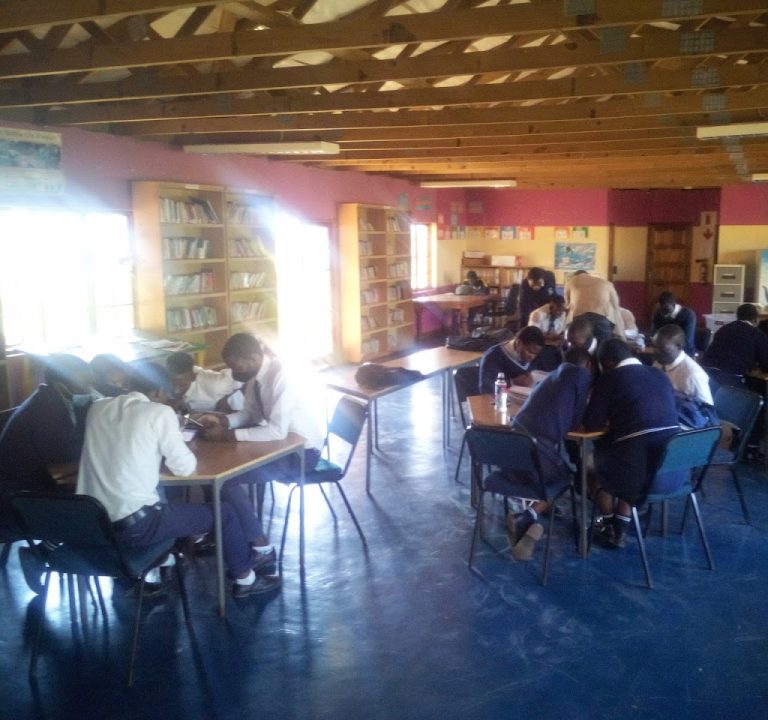
- Learning environments and library access: A dedicated centre in Ingwavuma houses crèche and library facilities, expanding access to reading materials, reference resources and learner support services beyond the classroom.
- Careers guidance and progression planning: The curriculum framework is complemented by careers guidance services to assist learners in navigating post-school options and preparing for further study or work.
The educational programme is designed to be responsive to the needs of orphans and vulnerable children. The approach emphasises not only academic achievement but also personal development, life skills and psychosocial well-being. A range of support services is integrated into the learning experience to help learners cope with trauma, poverty and illness, enabling them to participate more fully in education and community life.
Areas of study and learning opportunities are delivered through collaborative partnerships and targeted activities, including:
- Educational support across multiple age groups, from creche through high school, tailored to local curricular requirements and learner needs.
- Learner support services, including psychosocial programmes such as care and support for orphans and vulnerable children, lifeskills clubs, health and wellness initiatives, and foster care support.
- Community and school-based initiatives: The organisation undertakes community systems strengthening and related projects designed to create stabilising environments that support continued learning and safety for children.
Distinctive resources underpinning the curriculum include facilities at the Ingwavuma-based centre, notably the library services that augment classroom learning and provide access to supplementary reading materials. These resources support independent study and encourage a culture of reading among learners, an important element of long-term academic success.
With a broader view of education beyond formal schooling, ZISIZE also highlights short courses and professional training as part of its educational ecosystem. While specific course titles and durations are not listed publicly, the organisation’s stated activities emphasise capacity-building for teachers and learners alike, offering opportunities to develop practical skills and knowledge that support lifelong learning and community contribution.
Online or blended learning options are not explicitly detailed on the publicly available information. The emphasis appears to be on in-person programmes and on-site resources that address local needs in Ingwavuma and the surrounding area. Prospective participants and stakeholders are encouraged to explore the organisation’s programmes for current offerings and potential avenues for remote or mixed learning as the programme portfolio evolves.
Beyond the formal curriculum, ZISIZE emphasises extracurricular and supportive services that enrich the learner experience. The inclusion of lifeskills activities, health and wellness programmes, and psychosocial support demonstrates a holistic approach to education. The organisation’s work with foster care, community engagement and partner schools contributes to a broader ecosystem conducive to educational attainment and personal development.
For more information about the full range of educational activities and learning opportunities, interested parties can visit ZISIZE’s official website at http://www.zisize.org.za/.
Faculties and Branches
Situated in Ingwavuma, KwaZulu-Natal, the Zisize Educational Trust operates across a network of educational and psychosocial programmes designed to support orphans and vulnerable children. The organisation’s work centres on boosting educational outcomes while also addressing critical social needs within the local area.
Through its educational programmes, Zisize provides support that spans crèches, primary schools and high schools in Ingwavuma and the surrounding region. This support encompasses teacher training, the provision of curriculum packages, resource creation and the deployment of teaching assistants. The aim is to strengthen classroom delivery and to help learners access opportunities that contribute to their long-term success.
Beyond classroom support, the Trust offers services that help students navigate transitions and develop career prospects. These include careers guidance and the development of learning and life skills that equip young people with practical tools for personal and professional growth. A dedicated Ingwavuma-based centre houses crèche and library facilities, reinforcing early childhood education and literacy as foundational elements of the Trust’s programmes.
The psychosocial dimension of Zisize’s work is central to its approach. A range of services supports orphans and vulnerable children, including care and protection, life skills development, community systems strengthening, health and wellness programmes, and foster care support. These initiatives are designed to create a stable, nurturing environment that enables young people to realise their potential.
The organisational footprint includes specific centres that serve as hubs for intervention and support. The Ekukhanyeni Cluster Foster Care Scheme (CFCS) operates as a dedicated centre addressing the impacts of poverty, neglect, HIV/AIDS, abuse and trauma. This facility provides a safe environment for physical, emotional and spiritual development and has capacity for up to 18 children, illustrating a scaled, community-focused approach to care.
In addition to its hands-on field work, Zisize has expanded into higher education with the introduction of ZIET College. This development signals an ongoing commitment to broadening pathways for learners and strengthening the region’s educational infrastructure. Information about ZIET College is linked through the Trust’s site, including online engagement via its Facebook presence for community updates.
Overall, the structure of Zisize Educational Trust’s faculties, branches and centres centres on delivering a cohesive suite of educational and psychosocial services. By integrating classroom support, life skills and career preparation with targeted care facilities, the organisation supports learners at multiple stages of their development within Ingwavuma and its broader environs.
Registration Details
The Zisize Educational Trust operates from Ingwavuma in northern KwaZulu-Natal with a focus on supporting orphans and vulnerable children to reach their full potential. The organisation delivers a broad range of educational and psychosocial programmes, including support for creches, primary and high schools, teacher training, curriculum resources, library facilities, and careers guidance. The registration or enrolment process for individual programmes is not explicitly itemised on the site; instead, the emphasis is on involvement and access through the organisation’s various initiatives and centres.
For those seeking to engage with Zisize or to learn more about how children may access the educational and support services offered, the site provides several avenues. Prospective supporters, partners, or potential participants are encouraged to explore programme information and to connect through the organisation’s general learning and involvement channels. Details about how to begin a relationship with Zisize, including possible steps for accessing specific services, are most readily found by exploring the programme pages and the involvement section of the website.
Key entry points include information about the organisation’s presence in Ingwavuma and its work with crèches, schools, and community programmes. The Ekukhanyeni CFCS (Foster Care Centre) page outlines a hosted centre designed to support vulnerable children, offering a snapshot of the type of environments where registration or enrolment into services might occur. Interested readers can learn more about the centre and its capacity by visiting the dedicated page:
Information on how to get involved or support Zisize’s work is available through the organisation’s main involvement channels. Those interested in contributing, volunteering, or providing resources can explore the Get Involved section, which also links to the organisation’s wish list for items that support programme delivery. Although these pages do not publish formal application forms, deadlines, or fees, they offer a practical starting point for engagement and assistance:
As the site presents a community-focused model with a network of programmes, prospective participants and supporters are advised to review the available programme and centre information to understand what services exist and where to apply or participate. For more general information about Zisize’s scope and operations in Ingwavuma, the About Us section provides context on locations and activities:
In summary, specific formal registration steps, deadlines, or documentation are not listed on the site. Interested individuals or organisations are encouraged to engage through the programme pages and involvement channels, and to use the provided links to obtain the most relevant and up-to-date information on access to services and opportunities to support Zisize’s mission.
Sorry, no records were found. Please adjust your search criteria and try again.
Sorry, unable to load the Maps API.
Education and Educational Resources in Ingwavuma, KwaZulu-Natal
Ingwavuma sits within a rural but increasingly connected region of KwaZulu-Natal, where learners and families can access a range of educational opportunities across different levels. The area typically features a mix of public and community facilities designed to support progression from early learning through to higher education and vocational training. Accessibility remains a central focus, with learners often commuting from neighbouring villages to reach schools, community colleges and training centres that operate within or near the town.
Types of institutions commonly found in and around Ingwavuma include primary and secondary schools, which provide foundational and senior matriculation programmes characterised by locally relevant curricula. In addition, community and private training centres offer short courses and longer qualification routes in areas such as literacy, numeracy, information technology, business skills and practical trades. Tertiary pathways typically involve nearby universities and larger colleges within KwaZulu-Natal, as well as local higher education institutions that specialise in applied programmes or teacher training. These pathways support learners aiming for university entrance, diplomas, certificates or recognised vocational qualifications.
Learning programmes are generally broad enough to accommodate diverse interests. Core areas often include mathematics and science, language studies, social sciences and arts subjects, alongside vocational streams such as agriculture, tourism, hospitality, health and community development. Where appropriate, learners may encounter programmes that blend theory with hands-on practice, enabling credits to be earned through classroom study, workshops and practical placements. In many instances, guidance is provided to align subject choices with future goals, whether that involves pursuing higher education, entering the workforce directly or engaging in community-based projects.
Support services and student resources play a crucial role in the Ingwavuma education landscape. Learning support for learners who require additional assistance can include tutoring, literacy and language programmes, and referral pathways to specialised help. Schools and centres commonly provide career guidance, admissions information, and help navigating application processes for further study. Availability of counselling, accessibility provisions and language support varies by institution, but increasing emphasis is placed on inclusive practices to ensure equitable access for all learners.
Facilities and resources typically found in the area contribute to a practical and well-rounded educational experience. Libraries and study spaces are common features in schools and colleges, offering access to textbooks, periodicals, multimedia resources and quiet study areas. Science laboratories, computer suites and workshops provide essential hands-on experiences to complement theoretical learning. Sports facilities and safe outdoor spaces support physical education and extra-curricular activities, while residential accommodation and campus housing options may be available at certain institutions for students who travel from distant communities. Community learning hubs and resource centres sometimes host weekend or after-school programmes to extend learning beyond regular hours.
Typical pathways to admission and registration are straightforward in principle but require attention to local procedures. Prospective learners are generally advised to consult school administrators, college admissions offices or education department guidance to understand programme offerings, intake periods and required documentation. Educational routes may include provisional enrolment, placement tests or assessments, and agreement on timetables that organise core subjects, elective options and practical components. Successful progression often hinges on meeting published deadlines, maintaining steady attendance and engaging with available support services.
- Examples of commonly available resources include libraries, computer labs, science and language laboratories, and sports facilities.
- Key pathways involve progression from school to further study at colleges or universities, or entering accredited vocational programmes.
- Information on admissions and programme details can be found through national and provincial education portals, as well as local authority sites.