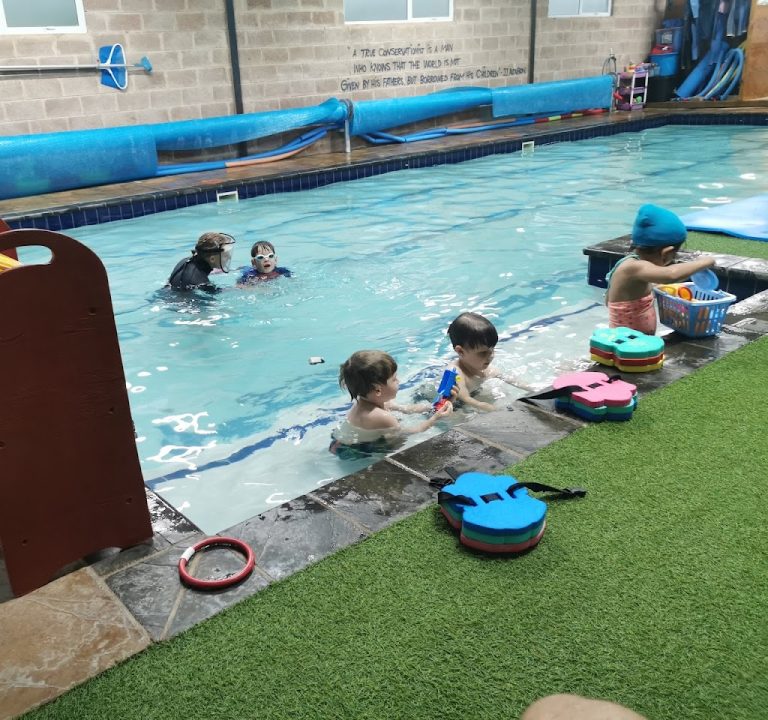
WESTVILLE SWIMMING ACADEMY is a Swimming instructors establishment in Durban, KwaZulu-Natal, South Africa
Durban
KwaZulu-Natal
3629
South Africa
Sorry, no records were found. Please adjust your search criteria and try again.
Sorry, unable to load the Maps API.
Education and Resources in Durban, KwaZulu-Natal
Durban, situated along the eastern coast of KwaZulu-Natal, is a metropolitan centre with a broad spectrum of educational opportunities. Learners and families commonly encounter a blend of school provision, higher education institutions, technical colleges, and specialised training organisations. The city’s educational ecosystem reflects regional diversity, offering pathways for academic, technical, and vocational development within reach of communities across urban, suburban, and peri-urban areas.
Within the school sector, primary and secondary education is complemented by a growing emphasis on holistic development. Learners can expect access to language support, guidance services, and programmes designed to foster critical thinking, creativity, and practical skills. A number of schools place emphasis on inclusive education, providing resources to support learners with diverse needs and aspirations. In addition to core curricula, many institutions offer clubs, arts, sport, and cultural activities that contribute to broader personal growth and community engagement.
Higher education in Durban is supported by a mix of traditional universities, campuses attached to larger national institutions, and dedicated technical and further education providers. Institutions typically offer undergraduate and postgraduate programmes across disciplines such as the arts and humanities, sciences, engineering, health sciences, business, and information technology. Flexible study options are often provided, including full-time, part-time, and distance or blended learning pathways, subject to current offerings and accreditation standards.
For learners seeking practical skills and industry links, the city’s training centres and vocational colleges often emphasise applied programmes. These may include courses in information technology, hospitality and culinary arts, engineering trades, tourism, and business administration. Such centres may collaborate with local employers and sector bodies to help align learning with workforce needs, while offering pathways from certificates to diplomas and beyond.
Support services and student welfare form an important part of the Durban educational landscape. Student guidance and counselling services, learning support, and disability services are commonly available to assist students in navigating academic demands and personal development. Libraries, study spaces, computer labs, and access to digital resources underpin research and independent learning at both schools and higher education sites. On-campus facilities frequently extend to sports, fitness, and recreation, supporting wellbeing and community life.
Facilities often reflect the regional climate and urban setting. Libraries with study zones, laboratories for sciences and engineering, dedicated spaces for arts and design, and well-maintained sports fields are common features. Accommodation—where available, primarily within university and college campuses or nearby private options—provides a base for students from outside the immediate area, and often includes safety and residential support services.
Typical pathways through Durban’s educational system begin with careful consideration of secondary schooling options and subject choices aligned with intended career directions. Post-school routes commonly involve admissions or registration processes coordinated by individual institutions, with general requirements encompassing prior qualifications, relevant subject interests, and the completion of year-end assessments. Prospective learners are advised to explore information portals and official guidance resources to understand specific entry criteria, deadlines, and recognised qualifications.
- Types of institutions: schools, universities, technical and vocational colleges, and specialised training centres.
- Common programmes and levels: certificates, diplomas, undergraduate and postgraduate degrees, and professional qualifications.
- Learning support and student services: guidance, disability support, libraries, IT facilities, and wellness resources.
- Facilities and resources: libraries, laboratories, sports facilities, accommodation options, and study spaces.
- Typical pathways: subject planning in secondary education, admissions or registration processes, and progression to higher education or vocational training.
For additional information and official guidance, readers may consult education portals and the websites of regional institutions. These sources provide general context on programmes, admissions timelines, and support services available to learners and families navigating education in Durban and the wider KwaZulu-Natal region.
Further details can be found through educational authorities and higher education bodies accessible online, alongside institutional pages that describe campuses, facilities, and programme offerings in Durban.