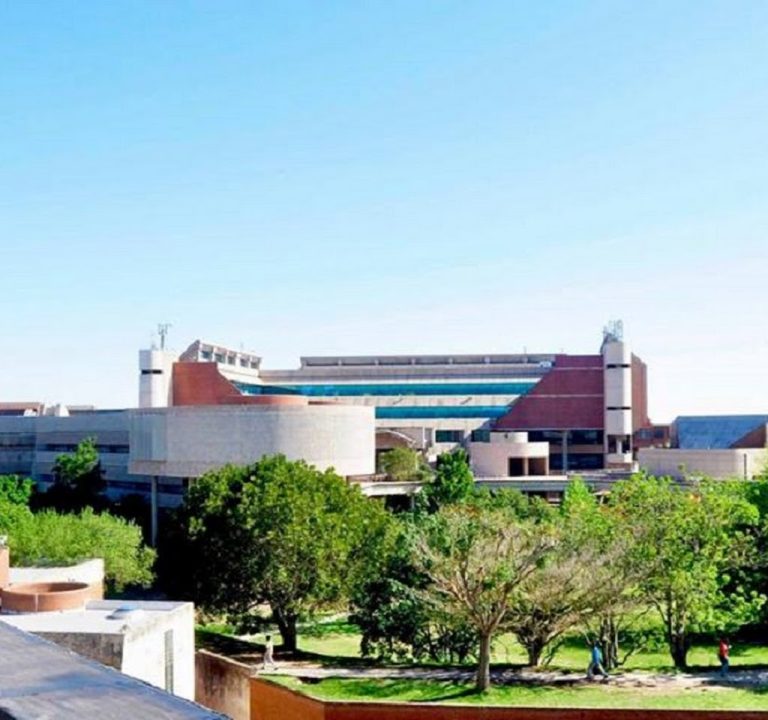
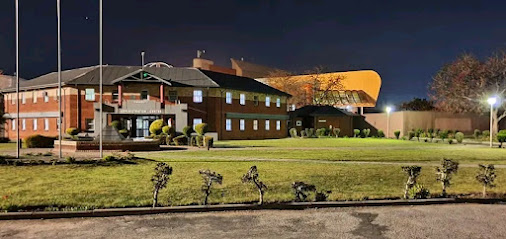
Walter Sisulu University is a Universities establishment in Mthatha, Eastern Cape, South Africa
Mthatha
Eastern Cape
5099
South Africa
Curriculum
Walter Sisulu University (WSU) presents a curriculum framework that is reinforced by a commitment to technology infusion and African higher education priorities. The university portrays itself as an institution engaging with rural development aims and broad regional needs, with campuses in Mthatha and other Eastern Cape centres. The curriculum model emphasises a blend of theoretical study and practical application, designed to prepare graduates for professional and community impact within South Africa’s diverse landscapes.
Programs are described across multiple levels, reflecting the institution’s aim to provide pathways from diploma and undergraduate studies through to postgraduate work. The official materials emphasise opportunities for students to pursue study across different fields and levels, aligned with national priorities such as innovation, development and transformation. Given the information available, the emphasis remains on offering access to formal qualifications while supporting learners to progress through their chosen routes within WSU’s structured programmes.
In addition to traditional degree and diploma study, WSU highlights engagement with short courses and professional training as part of its curriculum ecosystem. These elements are presented as mechanisms to widen participation in education and to deliver targeted skills development that can respond to industry and community needs. While specific course lists or durations are not detailed in the provided sources, the focus remains on practical applicability and relevance to contemporary workforce contexts.
The university’s approach to learning resources and academic activity is reflected in its broader programme and campus initiatives. WSU situates itself as a “technology infused” institution, suggesting curriculum components that integrate digital tools, research-informed practice, and applied learning. This approach is reinforced by active scholarly and community engagement activities, including conferences and collaborations that connect students with research and industry practitioners, thereby enriching the curriculum beyond classroom delivery.
Online or blended learning options are not extensively described in the available content. However, the university’s emphasis on aTechnology infused African university and the presence of multiple campuses imply environments where blended and online elements may be incorporated to support flexible learning. Prospective students are encouraged to consult the official WSU pages for registration and study information to understand current delivery modes and available online or hybrid options.
Support for learners and distinctive learning resources are part of the curriculum landscape at WSU. The institution’s broader student life and support services sections point to comprehensive mechanisms — including academic support, career guidance, and student welfare — designed to complement curricular offerings. The integration of student life activities, enterprise partnerships, and community-facing campaigns indicates a commitment to holistic development that complements formal study.
Distinctive learning resources and opportunities highlighted on the university’s platforms include access to academic conferences, research collaborations, and multidisciplinary initiatives that extend learning beyond the classroom. The university’s ongoing projects, such as the Multi-Inter-Transdisciplinary Conference and collaborative STEAM efforts, illustrate how curriculum experiences are reinforced through real-world scholarly and applied partnerships. These elements contribute to a learning environment where students can engage with contemporary topics and develop transferable skills.
For those seeking further information on curricular pathways, intake processes and progression routes, the official WSU site provides portals such as Discover WSU and Admission Requirements. These resources offer navigation to detailed programme information, registration details, and how to begin a study journey at Walter Sisulu University. Interested readers are advised to explore the university’s main site for the most up-to-date guidance on programme availability and delivery formats.
- Official information and progression routes: Walter Sisulu University website
- Registration and study pathways: Discover WSU
Faculties and Branches
Walter Sisulu University (WSU) operates across four main campuses in the Eastern Cape, located in Mthatha, Butterworth, Buffalo City (East London), and Komani. The university positions itself as a technology-infused centre of higher learning with a focus on rural development, aligning its offerings with regional needs and opportunities for social and economic advancement.
While precise lists of faculties, schools or departments are not exhaustively described in the general overview, the institution hosts a range of academic units organised to deliver programmes that span diploma, undergraduate and postgraduate studies. The university emphasises the integration of teaching and research through its campus network, enabling students to access a variety of disciplines and applied programmes across locations.
Campus structures are designed to support both academic progression and student life. Each campus acts as a hub for learning, with linked support services and facilities that facilitate teaching, learning, and engagement with the broader community. The distribution of campuses supports accessibility for rural and peri-urban learners, reflecting WSU’s mission to contribute to regional development through education and skills formation.
The relationship between faculties (where stated) and programmes is characterised by alignment with national higher education requirements and local needs. The university highlights collaboration and partnerships as a means to enrich academic offerings and to enhance employability for graduates. Students can expect access to a range of academic strands, research activities, and industry links that support practical learning and career preparation.
WSU’s online presence invites prospective and current students to explore discovery and admission information, with pathways to registration and programme selection that reflect the university’s multi-campus structure. Accessibility to programmes and student services is reinforced by the integrated digital and on-site resources available across the Mthatha, Butterworth, East London, and Komani campuses. For further details on faculties, programmes and campus-specific provisions, the university’s site provides pointers to overarching pages and campus‑level information.
- Campuses: Mthatha, Butterworth, Buffalo City (East London), Komani
- General focus: multi-campus academic offering with a regional development orientation
- Programme and student support: linked through campus networks and central university portals
For more information on how studies are organised across the four campuses and to explore available programmes, prospective students and interested readers are encouraged to visit the university’s official site: Walter Sisulu University.
Registration Details
Walter Sisulu University (WSU) maintains a clear pathway for prospective students to join its campuses in Mthatha, as part of its commitment to access and academic development across the Eastern Cape. For the 2026 academic year, online registration opens from 7 January 2026, subject to the university’s published timelines and requirements. The university’s online student information portal and dedicated registration pages guide applicants through the process, ensuring clarity for new entrants and returning students alike.
Overview of the application and registration process is outlined on WSU’s dedicated pages, with emphasis on understanding admission requirements and the registration steps. Prospective students are advised to review the information thoroughly to determine eligibility, preferred programmes, and the correct sequence of actions. The university provides guidance through a centralized online pathway that integrates admission considerations with the registration process.
Where to apply and register: the university directs applicants to its online resources for the application and registration journey. Key pages include the admission requirements and the step-by-step registration information, both designed to support applicants from enquiry to enrolment. The following links offer direct access to essential registration information and application guidance:
Eligibility and entry requirements are addressed on the university’s admission pages. Where a programme-specific criterion is not stated on the public pages, the guidance remains general—interested applicants should consult the official admission requirements to determine whether secondary qualifications, subject prerequisites, or language proficiency levels are necessary for the chosen field of study. No deadlines, fees, or specific forms are invented beyond what is published on the official site.
Typical documentation commonly needed for registration is not itemised in this overview, and any requested documents should be confirmed on the official pages linked above. The site emphasises consulting the established application and registration pathways to ensure the correct steps are followed for the intended programme and campus.
Support and contact information are available through WSU’s official channels. For assistance related to registration, admissions, or student support services, the university provides accessible online contact points. Applicants are encouraged to use the university’s contact page to locate the appropriate channel for enquiries, as well as to explore additional student services and guidance.
Sorry, no records were found. Please adjust your search criteria and try again.
Sorry, unable to load the Maps API.
Education and Resources in Mthatha, Eastern Cape
Situated in the Eastern Cape, Mthatha serves as a focal point for learners and families seeking a range of educational opportunities. The town combines primary and secondary schooling with access to further education, higher education campuses, and dedicated training centres. The spectrum of provision is designed to support progression from early schooling through to vocational and professional pathways, reflecting the diverse needs of local communities.
Within the school sector, learners typically encounter extensive communities dedicated to foundational literacy and numeracy, core subjects, and inclusive support services. Public and independent schools commonly offer programmes aligned with national curricula, with emphasis on language development, mathematics, science, and social studies. Many institutions provide additional learning support, gifted and talented programmes, and specialised assistance for learners with diverse needs. Regular parental engagement and school-improvement initiatives are frequently encouraged as part of a broader commitment to student success.
Higher education and further education in the area are supported by regional campuses and training facilities that cater to a range of aspirations. Institutions may provide a mix of certificate, diploma, and degree programmes across disciplines such as health sciences, engineering, business studies, information and communication technology (ICT), education, and humanities. Vocational learning, practical placements, and work-based modules are commonly emphasised to help learners translate study into employment or further study. For some entrants, bridging courses or foundation programmes may offer a smoother transition into higher-level studies.
Specialist training centres and community colleges offer short courses and modular studies designed to build skills in demand by local employers. These facilities often provide flexible modes of delivery, including daytime, evening, and weekend options, to accommodate learners balancing work, family commitments, and studies. Access to supported study hours, tutoring, and mentored projects is frequently highlighted as a cornerstone of the continuing education landscape.
Facilities and resources are essential components of the educational experience in Mthatha. Public libraries and campus libraries typically house a diverse collection of print and digital materials, quiet study zones, computer workstations, and reference services. Laboratories for science and practical subjects, computer labs, language laboratories, and maker spaces are commonly available to support hands-on learning and research activities. Sports facilities, playing fields, and gymnasia are integral to student life, contributing to wellbeing and team-building alongside academic endeavours. When accommodation is required, student residences or private housing options close to campuses may be explored, with housing services or guidance often provided to assist in securing suitable arrangements.
Admission and registration procedures tend to follow a clear, structured framework. Prospective learners typically submit applications through school or institutional portals within established timelines, accompanied by academic records and any required documentation. The pathways vary by level, with progression from primary to secondary education, followed by transitions into further education or higher education. Guidance services, career selections, and information about available programmes are commonly offered to help families and learners make informed decisions about courses, entry requirements, and potential career trajectories.
In addition to formal institutions, the local education ecosystem benefits from community literacy initiatives, after-school programmes, and outreach activities that extend learning beyond the classroom. These resources can provide practical experiences, mentorship, and opportunities to explore interests in science, technology, arts, and culture. The overall picture in Mthatha is one of accessible educational pathways, supported by a network of institutions and community services designed to nurture curiosity, resilience, and lifelong learning.
- Primary and secondary schools offering inclusive curricula and learner support services
- Further education and training colleges supplying certificate and diploma programmes
- Higher education campus facilities supporting foundation, undergraduate, and practical qualifications
- Libraries, laboratories, ICT labs, and study spaces to aid research and learning
- Sports facilities and accommodation options aligned with student life
For families and learners, the local education landscape in Mthatha presents a broad array of options designed to accommodate varied interests, learning styles, and career aims. Visitors and prospective students are encouraged to consult institutional prospectuses and official portals for current programme offerings, admission procedures, and campus services.