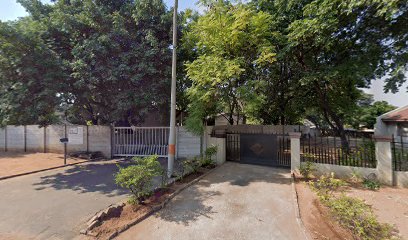
Victoria Laborando Studiesentrum is a Education centers establishment in Phalaborwa, Limpopo, South Africa
Phalaborwa
Limpopo
1389
South Africa
Sorry, no records were found. Please adjust your search criteria and try again.
Sorry, unable to load the Maps API.
Education and Educational Resources in Phalaborwa
Phalaborwa in Limpopo Province offers a diverse array of educational opportunities for learners and families. The town serves as a regional hub where primary and secondary schooling, vocational training, and higher education facilities are located within reach for residents and those in surrounding communities. The educational landscape emphasises both formal schooling and targeted training aligned with local economic needs, including tourism, agriculture, conservation, and service industries.
Within basic education, primary schools provide foundational literacy and numeracy, complemented by programmes in science, social studies, languages, and the arts. High schools offer continued study across a range of subjects, with streams that prepare learners for further study or entry into the workforce. Support services in many institutions aim to assist learners through additional tutoring, disability services, counselling, and guiding career choices.
Further education and training (FET) in or around Phalaborwa typically encompasses colleges and dedicated training centres specialising in practical and vocational programmes. These institutions commonly offer courses in information and communications technology, engineering trades, hospitality and tourism, business administration, and tourism-based hospitality management. Flexible delivery modes, including daytime, evening, and short courses, cater to school leavers as well as working adults seeking upskilling or career change opportunities.
Higher education access in the region may involve universities located in larger cities within Limpopo or neighbouring provinces, with pathways supported by bridging programmes, articulation routes, and distance learning. Prospective students often explore diplomas, bachelor degrees, and related qualifications through formal admission processes, with guidance on subject choices, prerequisites, and credit transfer options. Open days and campus tours provide insight into campus life, academic departments, and student support services.
Learning support and student services commonly emphasise a holistic approach to education. Libraries and information resources are valued for study spaces, access to reference materials, and quiet study areas. Computer labs with internet connectivity support research and assignment completion, while science laboratories enable practical experiments and demonstrations. Tutoring, study skills workshops, and language support are frequently available to help students maximise academic performance. Counselling, career guidance, and mental health services contribute to well-being and informed decision-making about study pathways and future employment.
Facilities and resources across the area typically include classrooms equipped with modern teaching aids, dedicated science and computer laboratories, and sports facilities that encourage physical activity and teamwork. Accommodation options, such as student hostels or nearby rental housing, may be available at larger institutions or within the town, supporting students from outside the local area. Safe transport links and campus security measures commonly accompany residential provisions to foster a conducive learning environment.
Typical pathways for admissions and registration are straightforward and guided by provincial and national education authorities. Prospective learners are advised to review application deadlines, required documentation, and subject prerequisites. In higher education, applications may be submitted via national portals or institutional systems, followed by an offer, acceptance, and enrolment process that includes orientation and registration for modules or courses. For vocational and further education, registration generally involves selecting a programme, meeting any placement requirements, and arranging funding or bursaries where available.
Across Phalaborwa, learners and families can anticipate a practical balance of classroom instruction, hands-on training, and supportive services designed to prepare individuals for further study or immediate entry into skilled employment. The local network of schools, colleges, and training centres continues to adapt to evolving educational needs, shaping pathways that reflect regional opportunities and the aspirations of learners in Limpopo.