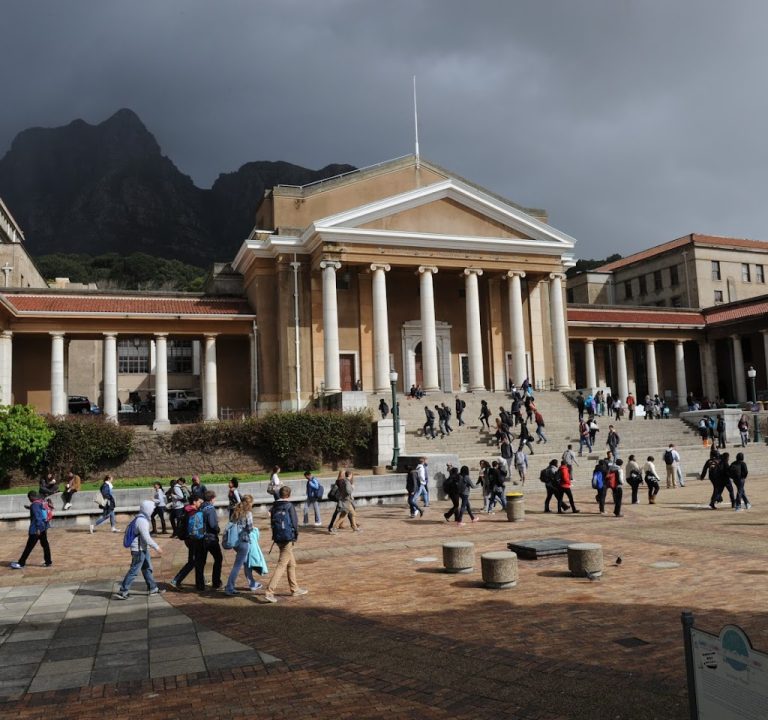
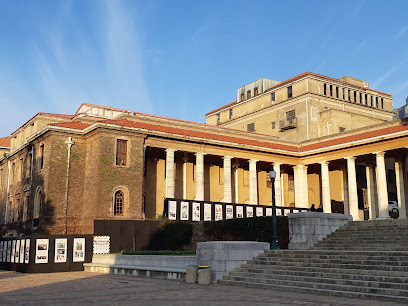
University of Cape Town is a Universities establishment in Cape Town, Western Cape, South Africa
Cape Town
Western Cape
7700
South Africa
Curriculum
The University of Cape Town presents a diverse and integrated curriculum designed to accommodate a broad spectrum of study levels, from undergraduate and postgraduate programmes to shorter forms of learning. The university emphasises a structured progression through undergraduate studies to advanced specialization at postgraduate level, alongside opportunities for continuing education and professional development. This approach supports learners at different life stages—from those beginning higher education to professionals seeking targeted qualifications or personal upskilling.
Across faculties, curricula are organised to cover core disciplinary foundations, specialised modules, and interdisciplinary interfaces. Students engage with foundational coursework in their discipline, progressive elective options, and research or project components that foster analytical thinking, evidence-based practice, and independent enquiry. Where relevant, programme design emphasises transferable skills, such as communication, teamwork, problem‑solving, and digital literacy, to prepare graduates for dynamic academic or professional environments.
In addition to traditional degree programmes, the university offers a robust portfolio of short courses and lifelong learning opportunities. The Learning Store hosts a range of bite‑size modules and certificates, designed to be accessible for professionals and adult learners seeking to refresh knowledge or acquire new competencies without committing to a full degree. These offerings are complemented by Continuing Professional Development (CPD) through the Faculty of Engineering & the Built Environment (EBE) and other specialised units, enabling practitioners to stay abreast of developments within their fields.
Several focused centres and institutes enrich the curriculum with applied and hands‑on experiences. The Hasso Plattner d-school Afrika provides design thinking programmes aimed at cultivating innovation and human‑centred problem solving. In health sciences, the Health Sciences Continuing Education Unit offers programmes tailored to continuing education needs in clinical and healthcare settings. The Judicial Institute for Africa (JIFA) offers programmes geared towards legal and justice system professionals seeking advanced knowledge and practical skills. Summer School and Extra‑Mural Studies provide experiential learning, cross‑disciplinary exposure, and opportunities to explore international perspectives during the academic year or in vacation periods. For language and communication development, the UCT English Language Centre delivers courses designed to support learners in academic, professional, and personal contexts.
Online and blended learning options feature in UCT’s curricula where stated on the university’s programme pages. While the core degree structure retains traditional on‑campus delivery in many faculties, flexible learning formats and online resources enhance access to study for distance learners, working professionals, and international students. The institution’s online application system and calendar reflect a commitment to clear, accessible pathways for prospective and current students alike.
Extracurricular and student support structures are integrated into the learning environment to enhance academic success and personal development. Campus life includes sport and societies, providing avenues for leadership, teamwork, and cultural engagement alongside formal study. Support services address disability access, international student needs, and broader wellbeing, ensuring that the campus experience complements academic progression with holistic development.
Distinctive learning resources referenced in the university’s offerings include access to dedicated continuing education units, professional development programmes, and partnerships with external organisations that augment formal curricula. These resources are designed to bridge theory and practice, enhance employability, and encourage lifelong learning beyond degree completion. For further information on specific courses, modules, or programme structures, prospective students can consult the university’s online study information and linked competency units through the main study pages and the short courses portal.
- Short courses and lifelong learning: The Learning Store, Continuing Professional Development (CPD) for EBE, Hasso Plattner d-school Afrika, Health Sciences Continuing Education Unit, Judicial Institute for Africa (JIFA), Summer School / Extra‑Mural Studies, UCT English Language Centre, and related offerings. Learn more
- Design thinking and innovation: Hasso Plattner d‑school Afrika. Explore programmes
- Professional development in health sciences and education: Health Sciences Continuing Education Unit; Centre for Higher Educational Development. Visit CEU
- Judicial and legal education: Judicial Institute for Africa (JIFA). Visit JIFA
For a comprehensive view of offered programmes, durations, entry requirements and accreditations, prospective readers are advised to consult the university’s study information pages and faculty sections on the official website: UCT - University of Cape Town.
Faculties and Branches
The University of Cape Town groups its academic activity into a range of faculties, schools and centres that support teaching, learning and research across the campus. The primary structure highlighted for prospective and current students includes the Faculty of Engineering & the Built Environment, the Graduate School of Business, and the Centre for Higher Educational Development. Each unit contributes to different streams of study and service provision, forming the backbone of UCT’s academic offerings.
Engineering & the Built Environment combines engineering disciplines with related built environment programmes, aligning technical study with practical application and project-based learning. This faculty supports undergraduate and postgraduate study, research opportunities, and professional development within its specialised schools and departments, linking to industry partnerships and applied design projects.
The Graduate School of Business provides advanced management education and executive development programmes. Focused on postgraduate study and continuous professional learning, it offers pathways for aspiring and current business professionals to deepen leadership, strategy and operational expertise, complemented by industry connections and applied learning opportunities.
The Centre for Higher Educational Development is recognised for its role in academic development and student success. It contributes to teaching excellence and learning support across the university, offering resources and programmes aimed at enhancing academic performance, pedagogy, and student engagement, particularly for those pursuing higher education studies and professional development within the institution.
Together, these units illustrate a structure that supports a broad spectrum of programmes and services. While specific departmental names and campus locations are not exhaustively listed in this overview, the described faculties and centres indicate how academic pathways, student services and professional development intersect at UCT. Interested readers may consult the respective unit pages for more detailed information on programme offerings, admission routes and study supports.
- Engineering & the Built Environment – engineering and built environment programmes and related study,
linked to practical, project-based learning. - Graduate School of Business – postgraduate and executive education in business disciplines.
- Centre for Higher Educational Development – academic development and learning support across the university.
Registration Details
The University of Cape Town (UCT) communicates its registration pathway through a clear sequence of steps designed to assist prospective students in planning their enrolment. For applicants seeking undergraduate or postgraduate study, the process centres on submitting an application, meeting entry requirements and confirming registration once an offer is received. The information available emphasises the importance of following official channels to access current deadlines and procedures.
Initial planning should start with understanding the admission requirements and how they apply to the chosen programme. Prospective students can review entry criteria and eligibility considerations via the university’s dedicated guidance on admission requirements. This resource outlines the general framework for determining suitability and helps applicants assess whether they meet the prerequisites before beginning the online application.
Where to apply is made explicit through UCT’s online application portals. Applications are described as online, with a direct route provided to apply online. The university maintains a central online application system that supports prospective students in submitting their materials electronically. For those seeking further information or step-by-step guidance, the Applications section of the website provides access to the relevant application portal and associated resources. Visitors can navigate to the online applications platform to commence the submission process and monitor its progression.
Specific entry requirements and eligibility details are available through the Admission requirements page. While exact deadlines, fees and forms are not listed in this overview, the linked resources are designed to offer current, programme‑level information and to clarify the criteria used for assessment. In addition, the Applications page points to key dates, which help applicants stay informed about important milestones in the registration timeline.
For applicants seeking further context or updates, the university’s site offers relevant links to related sections such as International students and Disability Services, which provide additional guidance for non‑local applicants and applicants with specific accessibility needs. These sections help ensure that prospective entrants understand the broader support framework surrounding registration and enrolment.
Documentation typically required for registration is not exhaustively listed in this overview. The primary sources indicate that admission requirements should be consulted for programme‑level expectations, and that the online applications platform is the route for submission. Prospective students should refer to the official documents available through the linked pages to understand precisely which documents must be provided, how they should be submitted, and any verification steps that may apply to international or restricted‑quota applicants.
Support and contact channels are accessible via the university’s online resources. The site provides direct navigation to key pages where applicants can seek guidance, confirm application status, and obtain assistance with the registration process. Where links are visible, they should be used to access current information and to contact the appropriate office through official web channels.
Sorry, no records were found. Please adjust your search criteria and try again.
Sorry, unable to load the Maps API.
Education in Cape Town: Resources and Pathways
Cape Town, situated in the Western Cape of South Africa, offers a broad spectrum of educational provisions that serve diverse learner needs. The city hosts a range of institutions that support schooling, higher education, vocational training, and lifelong learning. Across neighbourhoods and suburbs, families can encounter options that align with local communities and future ambitions, from primary and secondary schools to more specialised programmes at colleges and universities.
Within the school sector, learners typically progress through primary and secondary levels, with curricula that emphasise core subjects alongside opportunities for arts, sciences and physical education. Public, independent and specialised schools may offer additional language choices, extracurricular activities and transitional support to accommodate varied learning styles. For those seeking formal post-school pathways, a network of further education and training facilities provides a bridge to vocational qualifications, diplomas, certificates and apprenticeships.
Higher education in Cape Town comprises multiple campuses and learning hubs that welcome students from across the region and beyond. Universities and allied institutions commonly offer undergraduate and graduate degrees, as well as short courses, professional certifications and research programmes. Access pathways may include foundation or bridging courses, depending on prior qualifications. In addition, many campuses host external programmes, part-time studies and online options, making learning more adaptable to different life circumstances.
Distance education and online learning are increasingly integrated with on-campus offerings, enabling flexible study patterns. This approach benefits learners who balance work, family commitments or geographic constraints while pursuing credentials. Throughout the city, various training centres focus on practical skills in sectors such as business administration, information technology, engineering technologies, hospitality and creative industries. These centres often collaborate with local employers to align training with workplace requirements.
Support services and learning assistance are available to help learners navigate academic life and achieve personal goals. Central learning support may include academic tutoring, language development, study skills workshops and accessibility provisions. Counselling services, mental health resources, and career guidance are commonly offered to help learners select programmes, plan progression routes and explore employment possibilities following completion of studies.
Facilities and resources typically encountered by learners include modern libraries with study spaces, computer labs and multimedia collections. Laboratories for sciences and engineering provide hands-on experiences, while dedicated spaces for arts, media and performing arts promote creative exploration. Sports facilities, fitness centres, and recreational fields support physical wellbeing and team participation. Residential accommodation is sometimes available for higher education students, with on-campus halls of residence or nearby housing options designed to foster community and independence.
Typical pathways in Cape Town often begin with exploring school options, followed by admissions processes that consider prior academic results, language proficiency and any necessary diagnostic assessments. For higher education, prospective students may need to complete application forms, provide academic transcripts and meet subject prerequisites. Vocational and training programmes frequently emphasise industry connections, portfolio development and practical assessments to demonstrate capability upon entry or completion.
Overall, the educational landscape in Cape Town presents a diverse set of routes tailored to different aspirations. Learners and families can anticipate a mix of traditional classrooms, flexible delivery modes, supportive services and facilities designed to foster academic achievement, practical skills and personal growth. Resources available across the Western Cape encourage continued learning and help to establish pathways that align with local opportunities and long-term ambitions.
Key elements to look for
- Wide range of schools, colleges, universities and specialised training centres
- Programme types including degree programmes, diplomas, certificates and short courses
- Learning support services such as tutoring, language development and accessibility provisions
- Libraries, laboratories for sciences and engineering, and media/arts facilities
- Sport, recreation and student welfare provisions, plus accommodation options where available
- Clear pathways from school to further study, vocational training or employment opportunities