
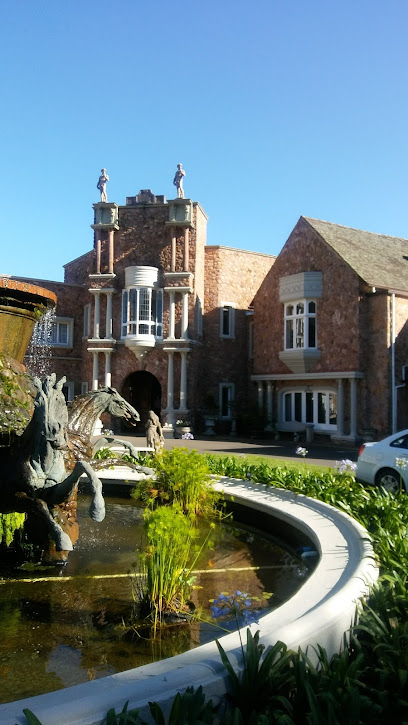
TWIMS is a Business schools establishment in Durban, KwaZulu-Natal, South Africa
Durban
KwaZulu-Natal
3610
South Africa
Curriculum
TWIMS in Durban, KwaZulu-Natal, specialises in executive education that blends practical industry insight with academic and research-based rigour. The organisation’s curriculum focus centres on contemporary manufacturing and supply chain themes, with programmes designed to equip professionals with actionable knowledge applicable to real-world contexts in Africa and beyond. Courses emphasise a practitioner’s viewpoint, drawing on the experience of leading industry figures and researchers to illustrate concepts in operation, governance, and strategic change.
The curriculum is organised around short, intensive learning engagements rather than long, traditional programmes. A core emphasis lies on executive short courses and masterclass formats that address current and emergent topics in manufacturing, digital transformation, sustainability, and governance. These sessions are designed to deliver high-impact learning within a compact time frame, allowing participants to apply insights quickly within their organisations.
Areas of study span lean management, digitalisation, sustainable manufacturing, and broader implications for governance and reporting. The emphasis is on bridging theory with practical application—making abstract ideas concrete through case studies, expert facilitation, and industry relevance. The content is crafted to align with contemporary industry needs, drawing on TWIMS’ connections with practitioners and researchers who work at the frontier of manufacturing and supply chain excellence.
Distinctive elements of the curriculum include close ties to real-world practice and access to expert guidance. Sessions feature facilitators who hold senior roles in industry, such as heads of lean management and research leads in sustainable manufacturing. This approach helps ensure that discussions reflect current trends, challenges, and opportunities faced by organisations operating in Africa’s manufacturing ecosystems.
In addition to structured courses, TWIMS offers insights through ongoing Course Insights pieces and programme-specific content. The online presence highlights topics such as lean supply chain management, digitisation, and the evolving landscape of ESG reporting, underscoring a breadth of material that complements formal sessions. While detailed syllabi and module lists are not published publicly on the site, the available information signals a programme architecture centred on executive education with clear links to practice.
Learning resources and opportunities include masterclass sessions and executive short courses that explore current themes at the intersection of technology, operation, and governance. Prospective participants can engage with programmes that span digital transformation in manufacturing, the shift from digitisation to digitalisation, and the strategic transition toward sustainable manufacturing. Each offering is designed to be accessible to working professionals seeking to enhance capabilities without committing to lengthy study periods.
The curriculum also places emphasis on networking and peer learning, reflecting TWIMS’ role as a hub for industry dialogue. Alumni and participants can access industry forums, roundtables, and events that augment formal learning with peer exchange and practitioner perspectives. This ecosystem supports continuing professional development beyond the duration of individual courses, reinforcing practical application and knowledge exchange within the Durban and broader KwaZulu-Natal region.
Examples of current and upcoming offerings illustrating the breadth of the curriculum include:
- AI and the Future of Manufacturing: From Automation to Agency (Masterclass) — exploring the implications of artificial intelligence for modern manufacturing systems.
- Lean Supply Chain Management (ESC) Executive Short Course — focused on applying lean principles to end-to-end supply chains.
- From Digitisation to Digitalisation: The New Manufacturing Business Model (Masterclass) — examining the organisational and business model shifts required for digital transformation.
- Leading the Transition to Sustainable Manufacturing (ESC) Executive Short Course — addressing strategic and operational aspects of sustainable manufacturing practices.
- Changes in the ESG Reporting Landscape – Implications for (Masterclass) — analysing evolving reporting requirements and their business impact.
Resources and information are accessible through TWIMS’ official website, which hosts programme details, facilitator profiles, and links to related content. While exact course syllabi, durations, entry requirements, and fees are not publicly enumerated on the site, the materials available demonstrate a clear focus on practical, timely, and industry-relevant learning designed for professionals seeking to advance in manufacturing and related fields.
For further information and to explore upcoming offerings, visitors can refer to TWIMS’ course pages and related posts on the site, including sections dedicated to Course Insights and the list of forthcoming executive short courses and masterclasses.
Faculties and Branches
TWIMS Africa in Durban, KwaZulu-Natal, operates as a specialist education and development hub focused on manufacturing, operations and supply chain excellence. While the site presents TWIMS as a provider of practical, industry-aligned learning rather than a multi-faculty university, it emphasises structured programmes and experiential short courses designed to bridge theory and real-world practice within the African context.
The organisation’s educational scope centres on executive short courses and masterclasses that address current and emerging needs in the manufacturing sector. Topics highlighted on the site include lean management, digitalisation of manufacturing processes, sustainable manufacturing, and the broader implications of ESG reporting for modern operations. These offerings are positioned to build leadership capabilities, optimise supply chains, and foster capability development across mid to senior professional audiences. Where explicit departmental labels are not stated, the content suggests a cohesive programme framework rather than discrete, separately named faculties.
In Durban, the focus appears to be on practitioner-oriented learning that links directly to industry practice. The courses are described in terms of objectives and outcomes—such as bridging theory with practical application, advancing the transition to sustainable manufacturing, and exploring the latest developments in digitisation and digitalisation. This approach indicates an instructional structure that prioritises applied learning and real-world relevance, suitable for professionals seeking to enhance performance within African manufacturing and related sectors.
TWIMS also showcases a calendar of upcoming courses and events, including masterclasses and executive short courses that touch on topics like lean supply chain management and leadership during transitions in manufacturing models. While the site does not provide a formal list of faculties or dedicated campus sites beyond the Durban location, the programme descriptions collectively reflect an integrated, industry-facing educational model. The arrangement aims to deliver targeted knowledge through a concise pathway of study and engagement, rather than a traditional, multi-departmental academic structure.
Student services and programme delivery are framed through the organisation’s online presence, with information accessible via the TWIMS Africa website. Prospective students and professionals can explore course insights, industry-focused research, and alumni activities that demonstrate applied outcomes and real-world impact. Where branch specifics are not itemised, the emphasis remains on the Durban-based offering of practical professional development, supported by a broader network of knowledge exchange and industry collaboration.
For further detail on course specifics, upcoming sessions, and any regional activities associated with TWIMS Africa, interested readers are encouraged to visit the official site at twimsafrica.com. The site acts as the primary reference point for programme descriptions, event listings, and alumni initiatives linked to the Durban branch and the organisation’s broader programme ecosystem.
Registration Details
TWIMS, based in Durban, KwaZulu-Natal, South Africa, presents a range of executive short courses and insights focused on manufacturing, lean management and the future of industry. The information available on the TWIMS Africa site outlines courses and related content but does not publish a dedicated, step-by-step registration workflow or dates within this section of the directory.
For prospective participants seeking to engage with TWIMS’ offerings, the site suggests exploring the current and upcoming programmes under the Courses and Course Insights sections. While exact application steps, deadlines, and fees are not detailed in the provided content, prospective entrants are encouraged to review the available course information and use the primary site as the starting point for eligibility checks and submission instructions. Details may be updated on the TWIMS website as programmes approach enrolment periods.
Where to apply: interested individuals should refer to the TWIMS Africa homepage and the Courses pages for the latest information and links related to registration. The site’s address is available here for convenient access: TWIMS Africa. If an application link becomes visible within the programme announcements or course posts, it will typically be hosted on the official site alongside the course titles and descriptions.
Notes on eligibility and documentation: the provided content does not specify entry requirements, supporting documents, or fee structures. Readers are advised to consult the official TWIMS site during the programme-specific enrolment period for any stated eligibility criteria, required documentation, and submission formats. Until such details are published, no assumptions should be made about deadlines or prerequisites.
Support and contact: no dedicated contact channels are listed in the supplied excerpts. Users seeking assistance should use the TWIMS Africa website as the primary resource and watch for communication from the institution regarding registration procedures, eligibility, and documentation when courses open for enrolment.
Sorry, no records were found. Please adjust your search criteria and try again.
Sorry, unable to load the Maps API.
Education and Resources in Durban, KwaZulu-Natal
Durban, a coastal city in KwaZulu-Natal, offers a diverse landscape of educational opportunities for learners and families. The city is home to a broad spectrum of institutions, spanning primary and secondary schools, further education and training colleges, universities, and specialised training centres. This mix supports a wide range of interests, aims, and career pathways, from academic study to vocational training and professional development.
Across the metropolitan area, schools provide standard curricula aligned with national and provincial guidelines, with options for learners at different levels of ability and interest. In many instances families can choose between public and private settings, with schools arranging additional support services to assist learners who require extra language, literacy, or numeracy assistance, as well as programmes for learners with special educational needs. Enrichment activities, arts, music, and sport often complement the core curriculum, contributing to well-rounded development.
Further education is well represented through a network of colleges that offer a variety of programmes designed to bridge schooling and the workplace. These include national qualification framework aligned diplomas and certificates, as well as practical, skills-based training in areas such as business studies, information technology, engineering technologies, hospitality, and health-related fields. Many centres provide pathways from certificate to diploma and through to higher qualifications, subject to progression requirements and accreditation standards.
Universities in and around Durban deliver undergraduate and postgraduate study across disciplines including the sciences, humanities, engineering, and health sciences. Distance learning and blended programmes frequently feature as convenient options for students balancing work and study. Research facilities, contemporary lecture theatres, and dedicated study spaces typically accompany lecture venues, supporting a culture of inquiry and academic engagement. International collaborations and exchange opportunities may be available through partner institutions and programmes.
Beyond degree programmes, Durban hosts a variety of training centres and professional development providers. These facilities specialise in short courses, workforce upskilling, vocational qualifications, and industry-recognised credentials. Such offerings are common in sectors like information technology, creative industries, construction, tourism, and public service, providing direct routes to employment or progression within existing roles.
Learning support and student services form an integral part of the learner experience. Libraries at educational campuses commonly offer borrowing facilities, study spaces, quiet rooms, and access to digital databases. Academic support services may include tutoring, writing and study skills guidance, language support, and career advice. Counselling, health services, and accommodation modules are often accessible to students, helping to manage transitions into campus life or remote study arrangements.
Facilities and resources generally designed to support successful learning include well-equipped laboratories, computer laboratories, and specialised workshops. Sports facilities, fitness centres, and recreational spaces are commonly available to promote healthy balance and community engagement. Student residences or approved accommodation options near campuses provide options for housing, with considerations given to safety, access, and affordability.
Typical pathways organise around a straightforward registration or admissions process. Prospective students are advised to review eligibility requirements, submit applications within set timelines, and participate in any required assessments or interviews. Institutions often provide guidance on visa or study permit considerations for international applicants, as well as information on funding opportunities, scholarships, and bursaries where applicable. Counselling on course selection and career planning helps learners align educational pursuit with long-term goals.
Overall, Durban presents a multi-faceted educational landscape that supports diverse learner profiles. Whether seeking school-based education, vocational training, or higher-level study, the city offers accessible resources, supportive services, and clear progression routes designed to foster personal growth and professional readiness.
- Public and private schools with varied curricula
- Further Education and Training colleges offering diplomas and certificates
- Universities and associated research facilities
- Specialist training centres and professional development providers
- Libraries, laboratories, and digital learning resources
- Accommodation options and student support services
More information can be found through official educational portals and institution websites, which provide guidance on programmes, admissions, and available support services.