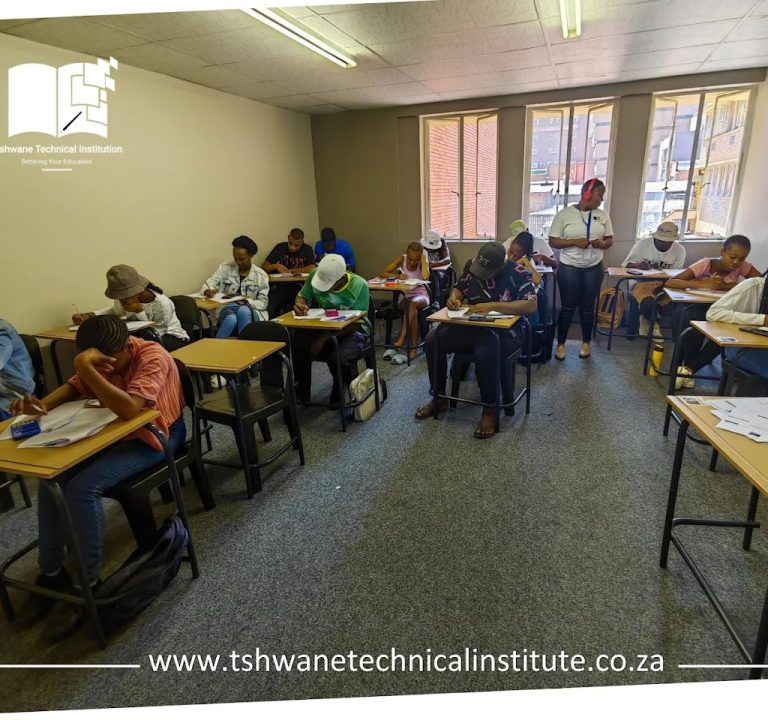
Tshwane Technical Institution (pty) LTD is a Private colleges establishment in Pretoria, Gauteng, South Africa
Pretoria
Gauteng
0002
South Africa
Curriculum
Tshwane Technical Institution (Pty) Ltd in Pretoria presents a broad, career‑focussed curriculum designed to equip learners with practical skills alongside sound theoretical foundations. The college emphasises accessible learning options, including online and distance education, ensuring that programmes can be pursued alongside work or other commitments. The curriculum is aligned with recognised national standards and delivered through a mix of full‑time, part‑time and online modalities.
Academic programmes span several levels, with emphasis on recognised qualifications that enable progression into trades, technical fields and related sectors. The institution participates in National Qualifications Framework structures and offers NATED engineering programmes, as well as occupational courses and industry‑specific qualifications. This arrangement supports a clear pathway from foundational knowledge to more advanced professional competencies, supporting both entry into the workforce and further study.
Key study areas include engineering disciplines such as mechanical, electrical and civil engineering strands, along with specialised occupational qualifications. The engineering offerings combine theoretical instruction with practical applications, reflecting the Report 191 framework that integrates in‑class learning with simulated and workplace learning. In addition, specialist occupations—ranging from boiler making and welding to control instrumentation and heavy current electrical work—illustrate the breadth of technical training available through the college.
Health and community services form another pillar of the curriculum, with programmes focused on health promotion and community health education. The Health Promotion Officer qualification is described as a QCTO‑accredited occupational programme that weaves knowledge subjects with extensive practical and work‑based components. The curriculum emphasises public health support, family and community services, and a progressive blend of fieldwork and assessments designed to reflect real‑world health promotion challenges. This approach nurtures the ability to mobilise communities, promote healthy lifestyles and facilitate access to health and social services.
Short courses and professional training are highlighted as an accessible route for individuals seeking targeted skills or upskilling opportunities. Flexible options include online learning, distance study and blended learning, enabling learners to tailor studies to personal circumstances while maintaining progression toward recognised qualifications. The campus also highlights opportunities for ongoing skill development and employability support, including career guidance and assistance with job placement following qualification attainment.
Student support services and distinctive learning resources are underscored through statements about an affordable, flexible learning environment and free Wi‑Fi facilities, designed to extend access to online materials and global resources. The combination of a clean, well‑maintained learning environment with quality teaching reinforces the institution’s commitment to student success, while the potential for bursaries demonstrates an emphasis on widening participation and reducing financial barriers to study.
Distinctive features of the curriculum include clear progression routes via recognised qualifications, active inclusion of work‑based assessment and practical competencies, and opportunities to pursue blended learning models. The institution also points to an emphasis on broader educational opportunities—such as the potential to advance to mid‑level studies or related qualifications—helping learners plan durable career trajectories within the South African vocational and technical education landscape.
For prospective students seeking further detail, the college’s pages on registration, accreditation and programme sections provide pointers to the nature of the offerings, including the DHET registration as a private college, QCTO accreditation and the structure of specific programmes. Examples include the Health Promotion Officer programme with its detailed knowledge, practical and work experience modules, and the engineering qualifications described under the NATED framework. More information about the breadth of academic programmes, online courses and distance options can be found via the college’s dedicated programme pages.
Overall, the Curriculum at Tshwane Technical Institution presents a coherent blend of theory, practical skills and work‑based learning, designed to yield industry‑ready graduates while maintaining accessible entry points and flexible study options. For current and prospective learners, the emphasis remains on practical competence, recognised qualifications and supportive pathways into the workforce.
- Engineering, Health Promotion and Business/Utility Studies are among the reflected disciplines, with national recognition through DHET and QCTO accreditation.
Further information on specific programmes and study modes can be explored at the college’s official website, including pages dedicated to online registration, why choose us, and programme outlines.
Faculties and Branches
Tshwane Technical Institution (TTI), situated in the Central Business District of Pretoria, offers a compact yet diverse range of study options through accredited programmes designed to equip learners for employment and further training. The institution operates as a private college in line with DHET provisions and holds QCTO accreditation for its National Certificates and Diploma programmes. The campus framework emphasises flexible delivery, including full‑time, part‑time, and online distance learning, to accommodate varied student needs.
Academic provision is organised around applied engineering and vocational pathways, alongside health and community services related qualifications. The Engineering remit covers Report 191 NATED qualifications with specialisms such as Mechanical Engineering (including Mechanical Fitting & Turning, Motor & Diesel Mechanics, Boiler Making & Welding), Electrical Engineering (Heavy Current, Control Instrumentation, Electrical Light Current Electronics), Civil Engineering, and Chemical Engineering, with detailed subject and project components aligned to industry requirements. In addition, occupationally oriented coursework is offered to develop practical competencies that directly support workplace readiness.
Alongside engineering, the institution presents health and community-oriented study options. The Health Promotion Officer programme is a structured, accredited occupational qualification recognised by the Quality Council for Trade and Occupations (QCTO). The curriculum integrates theory with extensive practical and workplace experience, culminating in a national assessment and qualification recognised for professional progression in health‑promotion related roles. The programme emphasises public health knowledge, community-based service delivery, and facilitation of health education and referrals within local health systems.
Additional academic streams include offerings that support foundational and career development, such as Edu-Care, Installation & Master Rules, GCC required Subjects, Occupational Courses, and Matric upgrade options. These modules provide routes for learners seeking foundational schooling enhancements, preparedness for further studies, or entry points into technical and vocational pathways. The institution also highlights online courses and distance learning as components of its flexible study options, enabling access to learning from remote locations where appropriate.
Campus and student services are framed to ensure that learners understand the structure of available programmes and how they connect to potential career outcomes. The prospectus and registration materials describe the campus facilities, services, and the overall culture of Tshwane Technical Institution, emphasising recognition and credibility through DHET registration and QCTO accreditation. Prospective students can access programme details and subject names through the institution’s online pages, which link to individual programme sections for deeper information on entry requirements, durations, and assessment arrangements.
For learners pursuing practical work placements or seeking guidance on bursaries, the institution notes a 50% tuition bursary scheme available to eligible South African citizens pursuing National N Diploma qualifications. This reflects a commitment to widening access to technical education and supporting student progression within the available faculties and branches.
Overall, Tshwane Technical Institution presents a structured though compact set of faculties and diploma‑level offerings, with a focus on engineering trades, health promotion, and allied vocational studies. The relationship between faculties, branches, and student services is reinforced by flexible delivery modes, accreditation assurances, and a clear pathway from admission through to recognised qualifications.
- Engineering—NATED Engineering programmes (Mechanical, Electrical, Civil, Chemical, and related trades)
- Health Promotion Officer programme (QCTO-accredited)
- Edu‑Care, Installation & Master Rules, GCC required Subjects, Occupational Courses, Matric upgrade
- Flexible delivery options—full‑time, part‑time, online/distance learning
- Campus location: Central Business District, Pretoria (Gauteng)
Further information and programme specifics can be found on the institution’s pages, including links to the Engineering studies, Health Promotion Officer, and other academic sections, which detail entry requirements, course content, and progression routes.
Registration Details
Tshwane Technical Institution (Pty) LTD is presented as a registered and accredited private college, offering a range of programmes including online and distance learning options. The institution emphasises that enrolment should be undertaken with a view to a credible and recognised qualification, backed by DHET registration and QCTO accreditation. Prospective students are encouraged to review the institution’s registration materials to ensure alignment with recognised standards and to make an informed decision about their educational path.
Registration and admission processes are outlined online to help prospective students prepare for enrolment. The registration pathway includes completing a registration form, attaching certified supporting documents, and making the required registration payment. A confirmation or proof of registration is anticipated within a short processing window, subject to the submission of complete and accurate information. The admission stage similarly requires the attachment of payment documentation, a certified copy of the identity document of the account payer, and evidence of payment of the admission fee. The college reserves the right to decline registration if minimum entry requirements for the chosen programme are not met or if information provided is incomplete or not truthful.
The college’s online registration materials provide ongoing access to the application form and related instructions. Interested applicants can begin the process by visiting the available online registration form and related pages, which include guidance on the overall process, required documentation, and alignment with programme requirements. For those looking to initiate the registration process, the following resources are available on the official site:
- Online Registration Form
- Registration & Accreditation
- NATED Engineering Programmes (example of programme information linked from registration pages)
The registration process is accompanied by notes on fees. The documentation indicates a non-refundable registration fee of 600.00 (South African Rands) and requires a copy of the deposit slip to be sent to the college through designated channels. Only complete registrations, including certified copies of identity documents and relevant academic results, are eligible for processing. Documents should be uploaded in PDF format as part of the registration submission.
Programme- and admission-related eligibility information is included within the registration materials. The college states that admission depends on meeting minimum entry requirements for the selected programme and that the information provided must be complete and truthful. The documents typically required at registration include certified copies of identity documentation and relevant academic qualifications, along with proof of payment for the registration fee. Applicants should prepare these items in advance and ensure they are uploaded as part of the submission.
Support channels and contact points are referenced in the registration materials. Prospective students may interact with college administration through the indicated channels for assistance during the registration and admission processes. While specific telephone numbers and email addresses are not reproduced here, the materials point to college administrators and a dedicated WhatsApp line as means of support for prospective students during the registration period.
For those seeking further guidance or confirmation of steps, the official registration-related pages provide the most up-to-date instructions. Access to the application process, submission requirements, and related terms can be obtained directly from the college’s site via the links above.
In summary, the Registration Details section directs applicants to the online forms and accreditation pages, highlights the non-refundable registration fee, outlines the need for certified documentation, and notes the general eligibility requirements and support pathways available through the college’s official channels. For a direct start, interested individuals should consult the Online Registration Form and Registration & Accreditation pages on Tshwane Technical Institution’s website.
Sorry, no records were found. Please adjust your search criteria and try again.
Sorry, unable to load the Maps API.
</
Education and Educational Resources in Pretoria
Pretoria, the administrative capital of South Africa, offers a broad spectrum of educational opportunities suitable for learners at all stages. The city hosts a mix of public and independent schools, technical colleges, further education and training (FET) centres, as well as universities and distance-learning providers. The range of options supports diverse pathways into higher education, technical careers, and lifelong learning.
Across the metropolitan area, learners can typically find primary and secondary schooling that follows national curricula, with schools varying in emphasis from academic preparation to vocational and technical streams. Public schools usually provide foundational learning in core subjects, complemented by optional cultural and sporting activities. Independent schools may offer alternative curricula, enhanced language programmes, or specialised facilities, subject to individual admissions policies and fees. Where relevant, schools may provide additional support for learners with diverse educational needs, including tailored learning plans and access to counsellors or advisory staff.
Colleges and further education centres in Pretoria commonly deliver a spectrum of programmes designed to bridge school study with practical skills. Typical offerings include national certificates (NQF levels 2 to 4), diplomas in applied sciences, business studies, information technology, engineering technology, hospitality, and creative disciplines. Short courses and professional certificates frequently cover workplace-ready competencies such as project management, digital literacy, and vocational trades. These learning environments often emphasise hands-on practice through workshops, simulated laboratories, and industry partnerships.
Universities and higher education institutions in the region cater to a broad range of interests, from undergraduate to postgraduate study. Areas of study commonly available include the sciences, engineering, health professions, humanities, education, and the arts. Postgraduate avenues such as master’s and doctoral programmes may be pursued in research institutes, faculties, or graduate schools. In addition to degree study, many universities offer non-degree programmes, continuing education, and professional development opportunities designed to expand knowledge and enhance career prospects.
Learning support and student services form an integral part of the educational landscape. Learners and families can typically access academic advising, career guidance, and psychological or wellbeing services. Libraries and study centres provide access to textbooks, journals, encyclopaedias, and digital resources, along with study spaces and quiet rooms. Language support, tutoring, and mentoring schemes are commonly available to assist learners in meeting their academic goals. Institutions may also offer accommodation services or referrals for students relocating to the area, along with meal plans or campus life facilities for those living on or near campuses.
Facilities and resources across Pretoria’s educational settings generally include well-equipped science and computer laboratories, technical workshops, and sports amenities. Modern campuses frequently feature theatres, art studios, music rooms, and media production spaces to support a broad array of programmes. Sporting facilities, fitness centres, and organised clubs contribute to a well-rounded student experience. Access to reliable internet, computer labs, and digital learning platforms is widespread, reflecting contemporary trends in blended and distance learning.
Admissions and registration typically involve submission of academic records, proof of identity, and, where applicable, language proficiency or entrance assessments. Some institutions may require auditions, portfolios, or interviews for specific programmes. Prospective learners are encouraged to consult official portals and admissions offices for general guidelines, application windows, and essential documentation. Visitor information centres and online prospectuses often provide up-to-date summaries of available programmes, entry routes, and key dates.
For families exploring education in Pretoria, it is useful to consider the variety of pathways available, the support services on offer, and the ways in which facilities align with individual learning goals. The city’s educational ecosystem supports a continuum of learning—from early schooling through to advanced studies and professional training—alongside resources designed to help learners thrive both academically and personally.
- Official education portals and local authority guidance
- Library and learning resource centres on campuses
- Career guidance and counselling services
- Student support for language, accessibility, and wellbeing
Further information can be found through national and regional education websites and through the portals of individual institutions, which provide current details on programmes, admissions, and student services.