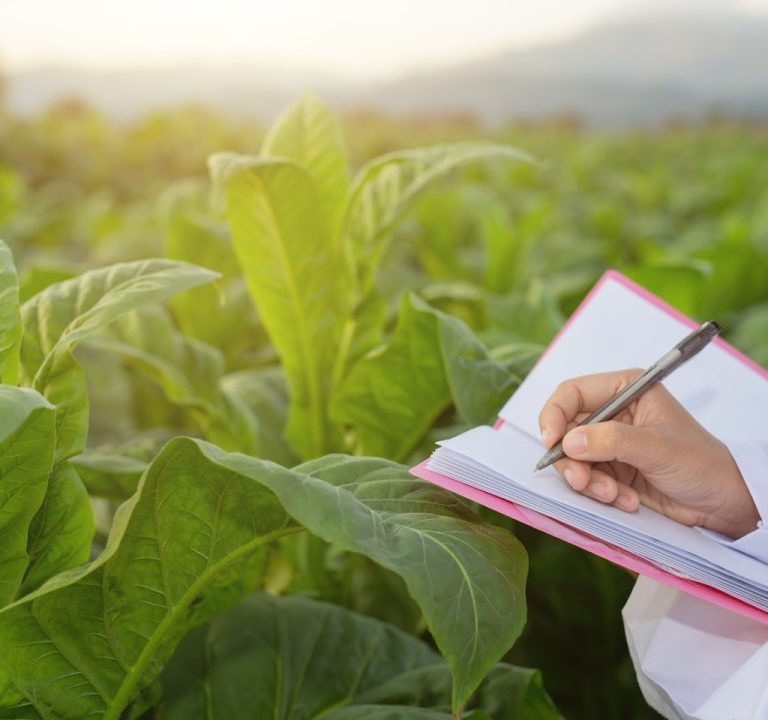

Tjhebelopele Institute of Agriculture is a Colleges establishment in Bloemfontein, Free State, South Africa
Bloemfontein
Free State
Bloemfontein Central, Bloemfontein
South Africa
Curriculum
Tjhebelopele Institute of Agriculture presents a structured portfolio of education programmes designed to equip learners with practical skills and sector-ready knowledge across the agricultural spectrum. The curriculum emphasises applied learning, industry relevance, and opportunities for entrepreneurship alongside formal credentials. The institute’s offerings are organised to cater to both individuals seeking national qualifications and organisations seeking targeted upskilling.
Programmes and levels span from national certificates to diplomas, with options that reflect the diverse demands of modern agricultural practice. Core pathways include:
- National Diploma: Animal Production
- National Diploma: Plant Production
- National Certificate: Animal Production
- National Certificate: Plant Production
- National Certificate: Mixed Farming
- National Certificate: Poultry Production
Complementing the farming-focused credentials, the curriculum also encompasses food sector qualifications, enabling learners to engage with adjacent aspects of agricultural value chains. Available National Certificates in the Food domain include Dairy Manufacturing Technology, Food Manufacturing Management, Food and Beverages Handling Processes, Food and Beverages Processing (e.g., Soft Drinks), and Food and Beverages Packaging Operations. These options reflect an integrated approach to agricultural education that recognises the interdependence of primary production and post-harvest processing.
Beyond formal qualifications, the institute offers a range of short courses and professional training opportunities. These are designed for rapid upskilling, workplace efficiency, and entrepreneurial capability. Short courses are promoted through dedicated prospectuses, enabling prospective learners and organisations to identify suitable modules without committing to full qualification tracks at the outset. Access to these resources is provided via the institute’s prospectus materials and online content.
The curriculum emphasises practical application and hands-on learning. A core theme across programmes is the translation of theoretical concepts into real-world farm and processing contexts. Students are equipped with competencies that support effective farming operations, farm management decision-making, product development, and quality assurance within food and agricultural enterprises.
Learning approaches are informed by the institute’s philosophy of continuous improvement and client-focused service delivery. The discipline-specific content is designed to be readily understood and applied, with an emphasis on meeting the current needs of hi-tech agriculture. While specific entry requirements and assessment methods are not detailed in available summaries, the curriculum consistently aims to produce graduates who can operate confidently in agricultural settings, consultancies, government programmes, or entrepreneurial ventures.
In addition to core academic pathways, the Institute features services and projects that enhance the learning experience. These include agricultural management consultancy, extension services, and business planning support, which provide practical exposure to industry environments. Project initiatives such as graduate placement, work-integrated learning, Agri-Camps, Agri-Tours, and BEE services are mentioned as ways to bridge education with real-world opportunities and community impact.
Blended and online learning components are referenced through the Institute’s online presence and prospectus resources. While detailed descriptions of online delivery models are not supplied, the emphasis on flexible education and industry-aligned outcomes suggests that online or blended options may be available to suit diverse learner needs. Prospective students are encouraged to consult the Main Prospectus and the Short Courses Prospectus for the most up-to-date information on delivery formats, module outlines, and qualification structures.
Support and resources are positioned to assist students beyond formal study. The institution highlights values such as honesty, integrity, ubuntu, passion, and kaizen, which frame the learning environment and extracurricular offerings. Learners can expect access to practical guidance, mentorship, and opportunities to engage with professionals across agriculture, agribusiness, and government sectors as part of the curriculum and related activities.
For prospective details on specific courses, modules, and progression routes, the institute directs stakeholders to the prospectuses hosted on the official website. The Bloemfontein main campus serves as the central context for delivery, with a commitment to sustainable agricultural education that supports both individual career aspirations and broader sectoral transformation.
Website references for further information include the main prospectus and the short courses prospectus, which provide comprehensive guidance on available qualifications and supplementary training opportunities.
Faculties and Branches
Tjhebelopele Institute of Agriculture (TIA) operates as a specialist provider of agricultural education, training and skills development. The organisation centres its activities on practical Skills application and aims to support both employees and aspiring entrepreneurs within the agricultural sector. The core educational offerings are structured to equip learners with industry-relevant competencies across agriculture and related food production disciplines.
Within its educational framework, TIA presents a range of education programmes designed to meet diverse career pathways. These encompass Agriculture and Food sector qualifications, delivered at multiple levels to accommodate learners pursuing National Diplomas and National Certificates. The programme family includes:
- National Diploma in Animal Production
- National Diploma in Plant Production
- National Certificate in Animal Production
- National Certificate in Plant Production
- National Certificate in Mixed Farming
- National Certificate in Poultry Production
- National Certificate in Dairy Manufacturing Technology
- National Certificate in Food Manufacturing Management
- National Certificate in Food and Beverage Handling Processes
- National Certificate in Food and Beverages Packaging Operations
Additional services linked to these programmes include consultancy and support for agricultural businesses. The institute highlights offerings such as Agricultural Management Services, Extension Services, Business Plans and Proposals, Training Services, and Farm Enterprise Budgets, together with funding facilitation and Agri Drone Services. This indicates a cross-cutting approach where academic study is complemented by applied industry assistance and practical projects.
Campus locations and branch activity are described with reference to the Bloemfontein area. The main campus is identified as Bloemfontein, Free State, South Africa, providing the primary base for programme delivery and student support. Collaborative projects such as Project Pelonomi illustrate engagement with special initiatives aimed at broader community development, education and skills advancement within agriculture.
In terms of student services and connections to programme outcomes, the institute emphasises a holistic framework that includes practical training, applied learning and opportunities for work-integrated learning, graduate placement, and related projects. The short courses and prospectus materials further indicate a structured pathway for learners seeking customised or accelerated short-form education in agricultural disciplines.
For prospective students and partners, additional information and detailed course offerings are accessible via the institute’s main website, with specific prospectuses for both standard education programmes and short courses available online. The Bloemfontein base, alongside associated collaborations, positions TIA to support learners through to practical qualification attainment and subsequent industry engagement.
For further details about the institute’s programmes and partnerships, see the official site: TIA – Tjhebelopele Institute of Agriculture.
Registration Details
Registration at Tjhebelopele Institute of Agriculture is presented from an external, third‑party perspective as a practical path into agricultural education and skills development. The institute operates from its Bloemfontein campus, situated in the Free State, and offers a range of programmes designed to deliver practical skills, enterprise development, and technology‑driven solutions for individuals and organisations. The information below summarises the available registration channels and the general routes through which prospective students may begin their engagement with the Institute.
To understand the scope of programmes on offer and the specific requirements associated with each course, applicants are advised to consult the prospectuses provided by the Institute. The Main Prospectus contains details on the overarching education programmes and the institute’s approach to agricultural education and training. A separate Short Courses prospectus outlines additional non‑degree offerings that may be relevant for continuing professional development or skill advancement. Access to these documents is available via the Institute’s website.
Where to apply and how to access programme information is straightforward through the site’s linked documents. The Main Prospectus and Short Courses Prospectus can be opened directly from the Institute’s homepage or related sections, providing the framework for admission criteria, progression opportunities, and the structure of courses. These resources are intended to equip prospective applicants with a clear sense of what is required to embark upon study and how to align personal objectives with the Institute’s curriculum.
In terms of entry requirements, the available content does not specify exact eligibility criteria for each programme. Consequently, readers are advised to review the prospectuses for explicit entry conditions, as well as any recommendations regarding prior study, experience, or qualification levels. Where specific thresholds are referenced within the prospectuses, those are to be treated as the authoritative guideline for admission decisions. Should further clarification be necessary, the Institute’s contact point for prospective applicants is the main campus information hub accessible through the website.
Applicants seeking guidance on the registration process can navigate to the Institute’s official pages for targeted information. While the content does not provide step‑by‑step deadlines, fees, or application forms within this summary, the prospectuses linked on the site are designed to itemise processes, timelines, and required documentation as provided by the Institute. It is prudent to consult these resources early in the decision‑making process to avoid missing any important milestones.
For general support or to obtain further assistance with registration queries, prospective students may use the website’s contact avenues. The “Contact Us” section lists the Bloemfontein Main Campus as the primary point of contact and includes a general mailbox for inquiries. Access to this page is available through the Institute’s domain, and it serves as the recommended channel for obtaining clarifications that are not addressed within the prospectuses.
In summary, registration details for Tjhebelopele Institute of Agriculture are presented through the Institute’s prospectuses and official contact channels. Prospective applicants are encouraged to consult the Main Prospectus for comprehensive programme information and the Short Courses Prospectus for additional training options. Location details and the main contact route are provided on the Institute’s site to support prospective students in initiating their enrolment journey.
Links for reference:
Sorry, no records were found. Please adjust your search criteria and try again.
Sorry, unable to load the Maps API.
Education and Resources in Bloemfontein
Bloemfontein, the capital of the Free State, hosts a diverse array of educational opportunities that serve learners of all ages and ambitions. Across the city and its wider region, families can expect a mix of school systems, higher education institutions, specialised training centres, and supportive services designed to assist students at every stage of their learning journey.
Types of institutions commonly found in Bloemfontein include primary and secondary schools that align with national curricula and assessment frameworks. These schools typically offer a range of subjects and levels, with additional programmes such as language support, mathematics clinics, and science enrichment activities. In addition to traditional classrooms, many schools provide access to computer labs, science facilities, and libraries to support independent study and project work.
Higher education and training play a prominent role in the city. Universities in Bloemfontein and nearby centres offer undergraduate and postgraduate programmes across disciplines such as humanities, sciences, business, engineering, and health sciences. These institutions may also host research centres, public lectures, and partnerships with industry to enrich learning beyond the classroom. Vocational and technical training centres provide practical pathways into trades, technology, and professional fields, with programmes designed to equip learners with hands-on skills and recognised qualifications.
Shared learning resources are a staple of Bloemfontein’s educational landscape. Libraries within schools, universities, and public facilities typically offer quiet study spaces, reference materials, computing resources, and study aids. Laboratories for science, engineering, and health-related disciplines are common in tertiary institutions, supporting experimental learning and practical assessment. Sports and fitness facilities, arts spaces, and student centres frequently accompany campuses, contributing to a well-rounded student experience and opportunities for personal development.
For families navigating admissions and registrations, the process generally centres on meeting year-group or course-entry requirements, submitting the appropriate documentation, and adhering to key academic timelines. Prospective learners are advised to explore open days, information sessions, and guidance services that outline programme options, progression routes, and admission criteria. Early planning can help families understand intake periods, compulsory subjects, and the availability of bursaries, scholarships, or financial aid where applicable.
Student support services are commonly available to assist with academic success and personal well-being. These may include learning support for learners who require additional help with literacy or numeracy, counselling services, accommodation assistance for on-campus or nearby housing, and accessibility resources for students with special needs. Disability services, career guidance, and tutoring programmes are frequently integrated into the campus experience, contributing to smoother transitions between educational stages and clearer pathways to further study or employment.
Distinctive pathways in Bloemfontein often involve a combination of school-level preparation and higher education or vocational training. Mature learners and those seeking change of direction regularly find part-time courses, certificate programmes, and continuing professional development opportunities that fit alongside work and family commitments. The city’s educational ecosystem emphasises practical outcomes, critical thinking, and a broad range of learning styles to accommodate diverse learners.
- Typical programmes across institutions include science, technology, engineering and maths (STEM), humanities, business studies, health sciences, and the creative arts.
- Learning support may cover academic writing, study skills workshops, tutoring, language development, and access to advising services.
- Facilities commonly feature libraries, specialised laboratories, sports facilities, arts and performance spaces, and accommodation options near campuses.
Ultimately, Bloemfontein provides tangible opportunities for progression from primary education through to higher education and vocational training. By exploring available programmes, support services, and campus environments, learners and families can identify suitable routes that align with interests, abilities, and future ambitions.