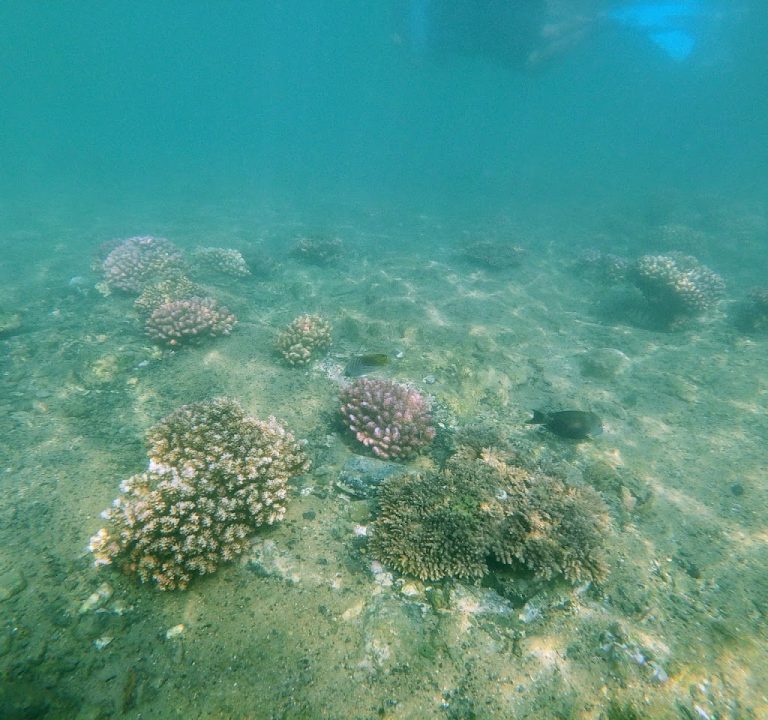

Tidal Tao is a Surf school establishment in Dolphin Coast, KwaZulu-Natal, South Africa
Dolphin Coast
KwaZulu-Natal
4399
South Africa
Curriculum
Situated along the Dolphin Coast in KwaZulu-Natal, Tidal Tao presents a focused yet flexible approach to ocean education through guided snorkelling experiences and related activities. The organisation offers structured programmes aimed at different experience levels, alongside opportunities for educational trips and group learning. The emphasis remains on safe engagement with shallow, sheltered reef and intertidal zones, where participants can gain practical understanding of marine life while developing snorkelling skills in a supportive environment.
Core programmes are designed to accommodate a range of ages and abilities, with progression built through increasingly advanced snorkelling experiences. Initial exposure centres on Discover Snorkelling, which introduces participants to the fundamentals of snorkel technique, safety practices and underwater observation in accessible settings. For those seeking a deeper exploration, Explorer Snorkelling offers a more comprehensive encounter with the coastal underwater world, allowing learners to encounter a wider array of reef fish and marine life while refining observational and navigational skills. Night Snorkelling extends the same principles into the hours of darkness, presenting an opportunity to observe nocturnal species and different behavioural patterns in a controlled environment. These offerings collectively emphasise practical learning, guided discovery and respect for marine ecosystems.
In addition to individual sessions, Tidal Tao maintains a programme stream that supports educational groups and school cohorts. Educational trips and Rocky Shore Walks expose participants to coastal habitats beyond the snorkel, illustrating the connections between tide pools, shorelines and broader marine biodiversity. This caters to school groups and organised learning visits, enabling educators to align field experiences with coastal science themes while benefiting from the expertise of experienced guides. The availability of such group-focused activities demonstrates a commitment to hands-on, place-based learning that complements formal curricula.
Beyond snorkelling, the curriculum landscape at Tidal Tao encompasses related experiential offerings such as Learn To Surf, which introduces basic surfing skills in a coastal context. While separate from snorkelling programmes, these activities share a common aim: to cultivate water confidence, environmental awareness and practical ocean literacy within a protected and enjoyable framework.
The organisation also integrates broader learning resources and educational tools into its curriculum ecosystem. A set of conservation-focused materials and resources accompanies the field experiences, including references and guides that support conservation messages and help visitors recognise local species. These resources reinforce the programme’s ethos of ocean stewardship and responsible participation in marine environments. Although specific course lists and fee structures are not itemised on the public pages, the emphasis remains on experiential learning, guided observation and practical engagement with the intertidal and reef zones.
The curriculum approach is characterised by safety-first guidance, small-group experiences, and a pragmatic blend of outdoor activity with science-based learning. In practice, this translates to trained guides leading participants through shallow-water encounters, providing real-time identification of species and habitat features, and encouraging curious questions about marine biology, ecological relationships and human impacts on coastal ecosystems. This approach supports a holistic understanding of the coast, inviting participants to observe, document and reflect on their experiences in a manner that fosters long-term ecological awareness.
Support for learners is baked into the programme design through a friendly, low-pressure environment where newcomers can acquire foundational skills, while returning participants can deepen their knowledge and refine technique. The combination of snorkelling experiences, educational walks and related outdoor activities is presented as a cohesive pathway for developing confidence, observational acuity and an informed respect for the marine environment.
For those seeking to engage online or blend on-site experiences with remote learning, the available information indicates a strong emphasis on in-person exploration and guided fieldwork. The presence of downloadable resources and guides—such as species identification and conservation materials—offers supplementary, self-paced enrichment that can complement hands-on sessions. Prospective participants and educators are encouraged to consult the main site for current offerings and to connect with the operators to discuss scheduling, group sizes and suitability for particular learning objectives.
In sum, the curriculum curated by Tidal Tao centres on immersive coastal learning, practical snorkelling instruction, and conservation-minded exploration. By combining staged snorkelling programmes, educational trips and accessible ancillary resources, the organisation provides a distinctive, experience-rich pathway for learners to engage with the marine environment around Ballito, Salt Rock and the Dolphin Coast.
- Discover Snorkelling
- Explorer Snorkelling (advanced)
- Night Snorkelling
- Night Walks
- Educational Groups / Rocky Shore Walks
- Learn To Surf
- Educational resources and conservation materials
Further information and current offerings can be explored via the official website, which provides details on activities, media, and booking options for individuals and groups alike. Links to related pages offer additional context on ballito beaches, weather, tides and other local activities.
Faculties and Branches
Ballito’s ocean-focused outfit operates as a single outdoor learning and snorkelling experience rather than a traditional multi-faculty institution. The organisation centres its activities around the Ballito and Salt Rock coastal area on the Dolphin Coast of KwaZulu-Natal, South Africa, with the meeting point for snorkelling trips arranged at Café Salt in Shaka’s Rock. The available offerings emphasise practical engagement with the marine environment, rather than separate academic departments.
In this context, the “faculties” or operational divisions are aligned to activities and educational experiences designed to suit different interests and age groups. These include guided snorkelling programmes, night snorkelling, night walks, and educational trips for groups. Each programme is described on the supplier’s site as a distinct activity, allowing participants to choose experiences that best fit learning goals or leisure plans. More information about these offerings can be found on the company’s snorkelling pages, where the structure is presented as a sequence of focused experiences rather than dispersed academic units.
The organisation also presents a dedicated section for Ballito & Salt Rock information, which situates the services within the broader local context. This includes practical details about other activities and nearby facilities, as well as guidance on how to access snorkelling experiences along the Ballito coast. While the site does not list separate faculties or campuses, it does convey a clear, customer-facing structure that connects programmes with specific coastal locations and timing.
For those seeking educational value beyond the core snorkelling sessions, the site highlights resources and programmes linked to marine conservation and interpretation. Although these are not presented as distinct faculties, they function as thematic strands accompanying the primary snorkelling experiences. Visitors can explore related conservation resources and educational content via linked sections on the site, which support an experiential learning approach alongside practical engagement in the sea.
As a provider operating along the KwaZulu-Natal coast, the organisation emphasises accessibility and safety, offering activities suitable for families and groups. Participants can discover snorkelling options through dedicated pages that outline Discover Snorkelling, Explorer Snorkelling, and Night Snorkelling, among other experiences. The site also points to related activities and information sections, enabling visitors to assemble a customised schedule that aligns with personal learning aims or recreational interests.
Registration Details
Registration for experiences with Tidal Tao is organised through the organisation’s online bookings platform. Visitors who wish to participate in snorkelling sessions or related activities should follow the institutional pathway provided on the official website to initiate a booking and secure a spot.
Overview of the application/registration process:
- Navigate to the dedicated bookings area of the Tidal Tao website to begin the registration process. The site provides a central entry point for arranging snorkelling trips and educational activities.
- Review the range of activities offered, including snorkelling sessions and other related experiences, to determine suitability and availability prior to finalising a booking.
- Submit the required details through the online booking interface as directed by the platform. Information requested is not specified in detail on the public pages, so operators typically request traveller names, dates and participant information as part of the booking flow.
- Confirm the registration by following the on-screen prompts to complete the booking. Once registered, attendees should retain any confirmation information provided by the system.
Where to apply (link references visible on the site):
- The primary route for registrations is theBookings page on the Tidal Tao website. Access it via the site navigation or the provided link labeled “Bookings”.
- Additional guidance and related information can be found through the site’s main navigation, which connects to “Come Snorkelling” and “Snorkelling & Other Activities In Ballito & Salt Rock,” where suitable activities are listed prior to booking.
Eligibility/entry requirements:
The site does not state explicit eligibility criteria beyond describing the experiences as suitable for a wide range of participants who can swim. No specific age thresholds, medical prerequisites or limitations are documented in the public material provided. If any requirements exist, they are not itemised in the currently available pages and are typically outlined during the booking process at the time of registration.
Documents typically required:
No explicit document list is provided on the public pages. Registration generally relies on the information collected during the online booking, with any necessary consent or safety acknowledgements presented within the booking interface. No forms, deadlines or fees are specified in the published materials.
Contact/support channels:
For bookings and general queries, the site directs users to the official bookings page. Further assistance or information about specific experiences may be accessed via the site’s contact/booking links. External contact details such as telephone numbers or email addresses are not included in this section, and all communications should be routed through the official online booking portal or the site’s approved contact channels.
Related context and location information is available on the Tidal Tao site, including details about Willard’s Beach in Ballito and the Dolphin Coast setting, which can help prospective registrants understand where the activities take place and what to expect on arrival.
For those seeking the next step, the primary action is to visit the Bookings section of the Tidal Tao website to initiate a registration for the desired snorkelling experience.
Sorry, no records were found. Please adjust your search criteria and try again.
Sorry, unable to load the Maps API.
Education and Resources on the Dolphin Coast
The Dolphin Coast in KwaZulu-Natal forms a notable educational landscape for families and learners seeking diverse pathways. Within this coastal region, learners access a range of institutions that support development from early childhood through adulthood. The area typically offers a mix of government and independent schools, alongside private and community-based facilities that aim to accommodate different needs, interests and budgets. Local education is complemented by broader opportunities available in nearby towns and cities along the North Coast.
For younger learners, early childhood development centres and primary schools provide foundational programmes that emphasise literacy, numeracy, social skills and creative exploration. Secondary schooling tends to offer a broad curriculum with core subjects such as mathematics and sciences, languages, and humanities, alongside elective options that reflect student interests. Many schools prioritise learner support services, including academic tutoring, language assistance, and guidance on careers and subject choices. Administrative processes typically involve standard registration periods, with procedures aligned to regional education authorities and school calendars.
Across the Dolphin Coast, families may also explore private and independent schools that often present enhanced facilities and extended programmes. In addition, there are educational options outside traditional schools, such as accredited training centres and community programmes that focus on practical skills, digital literacy and entrepreneurship. These options frequently feature flexible scheduling, part-time study routes and conversion to recognised qualifications through partnerships with larger regional providers.
Further education and training play a crucial role in the local learning ecosystem. Tertiary options include nearby colleges and vocational training organisations that offer diploma and certificate programmes in fields such as information technology, business administration, hospitality, health and trades. Apprenticeships and learnerships may be available in collaboration with local employers, enabling hands-on experience alongside formal instruction. While proximity matters, many learners also consider programmes at universities and larger campuses within reach in the wider KwaZulu-Natal region, where degree programmes and postgraduate studies are commonly pursued after completing secondary schooling.
Student services and support are an important feature of the educational environment. Libraries and resource centres provide access to books, journals, digital databases and study spaces. Computer laboratories and science laboratories support practical learning, while dedicated spaces for arts, music and drama nurture creative development. Sports facilities, after-school clubs and cultural activities contribute to well-rounded growth. Where accommodation is relevant, some institutions offer on-site or nearby housing options for students coming from other areas, with arrangements designed to support safer and more convenient study life.
Typical pathways through the Dolphin Coast education system begin with successful registration into primary or secondary education, moving through to senior phase qualifications recognised by regional authorities. Learners may continue directly into further education or vocational training, or pursue higher education at universities or colleges situated within reachable distance. Guidance and counselling services, career information, and information about scholarships or bursaries are often available to help families plan transitions between stages. Even when choices span traditional academic routes and practical training, the overarching aim remains to equip learners with the knowledge, skills and confidence to progress into further studies, employment or entrepreneurial endeavours.
- Types of institutions: government and independent schools, private schools, early childhood centres, further education colleges and vocational training centres, community learning programmes.
- Common programmes: primary and secondary curricula, language and STEM subjects, arts and humanities, vocational certificates, diploma and degree pathways in related fields.
- Learning support: tutoring, language assistance, counselling, SEN provisions, study skills development.
- Facilities: libraries, computer and science laboratories, sports and recreational facilities, arts spaces, accommodation options where relevant.
- Pathways: school registration, progression to further education or vocational training, available guidance and information on funding and admissions processes.