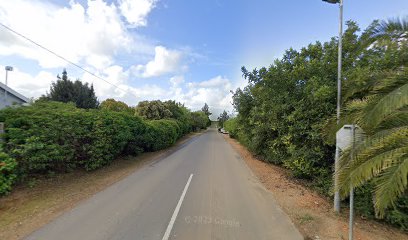
THE VALLEY TRAINING & HOSPITALITY CONSULTANCY is a Hospitality and tourism school establishment in Riebeek-Kasteel, Western Cape, South Africa
Riebeek-Kasteel
Western Cape
7307
South Africa
Sorry, no records were found. Please adjust your search criteria and try again.
Sorry, unable to load the Maps API.
Education and Resources in Riebeek-Kasteel
Riebeek-Kasteel sits within the Western Cape’s fertile valley region, offering a compact yet diverse set of educational opportunities for learners and families. The town typically provides access to primary and secondary schooling programmes within public and community settings, alongside nearby specialised institutions that cater to broader vocational, technical and higher education needs. The emphasis is on practical outcomes, alongside a firm grounding in foundational literacy, numeracy and critical thinking skills.
Within the school sector, families commonly encounter a wide range of programmes aligned to national curricula, from foundational grades through to matriculation streams. Schools in the area usually balance core academic subjects with opportunities in arts, sciences, physical education and languages. Learners may also encounter elective options that help tailor learning to individual interests, future study directions or career aspirations. In many cases, learning in the local region benefits from a supportive ethos that values parental involvement and community partnerships.
Beyond traditional schooling, Riebeek-Kasteel and its surroundings may host training centres and adult education facilities that focus on practical and work-based skills. These centres often offer short courses, modular certificates and entry-level programmes designed to boost employability, such as hospitality, agriculture, construction, information technology and business literacy. For many families, these options provide a gateway to further training or to direct entry into the workplace, with pathways that may lead to recognised qualifications through accredited providers elsewhere in the Western Cape.
Higher education access is typically available via institutions located in larger towns and cities within practical travelling distance. Prospective students can expect guidance on choosing appropriate qualifications, from diplomas and certificates to bachelor’s degrees and beyond. In addition to degree programmes, many universities and colleges offer bridging or upgrading courses, intending to prepare learners for more demanding study and to address variances in prior attainment. Admission processes tend to be structured, with general requirements that are commonly applied across institutions, though specific criteria vary by course and level.
Learning support and student services form a notable feature of the local educational landscape. Where available, learner support may include language development, numeracy tutoring, study skills workshops, and personalised academic advice. Access to guidance counsellors, career information and mental health resources helps learners navigate transitions between school, further education and the job market. Family support also extends to information about bursaries, financial aid and accommodation options where relevant, enabling more learners to pursue studies with reduced barriers.
Facilities and resources typically seen in the region include well-stocked libraries or learning centres, science laboratories, computer suites and digital learning spaces. Sports facilities and recreational amenities commonly complement study and campus life, contributing to a balanced educational experience. Accommodation arrangements, where available, may range from on-campus housing to locally contracted student lodgings, with safety and affordability often guiding decisions for families and independent learners alike.
Typical pathways begin with enrolment in a recognised programme at a suitable level, followed by progression through standard academic milestones or vocational qualifications. Students are generally advised to explore entry requirements, application windows and available support services well in advance of key deadlines. While specific names and formats differ between institutions, the overarching framework remains oriented towards accessible learning, skill development and clear routes toward further study or employment.
- Primary and secondary schooling with a broad curriculum
- Community training centres offering short courses and certificates
- Bridging and upgrading programmes to support progression
- Higher education options accessible through nearby institutions
- Learning support services covering literacy, numeracy and study skills
- Libraries, laboratories, computer labs and recreational facilities
- Accommodation and student welfare services where available
Overall, the educational landscape around Riebeek-Kasteel provides a pragmatic mix of schools, additional training opportunities and access routes to further study. The focus remains on helping learners develop solid foundations, discover relevant pathways and navigate educational choices in a supportive local context.