
The Housekeeping Training Academy is a Training centres establishment in Benoni, Gauteng, South Africa
Benoni
Gauteng
1507
South Africa
Curriculum
The Housekeeping Training Academy, situated in Benoni, Gauteng, offers a structured curriculum designed to equip learners with practical skills and professional know‑how for the housekeeping and hospitality sector. The programme emphasis centres on developing competence across core housekeeping responsibilities, alongside customer service and operational standards essential to luxury and mid‑range establishments alike.
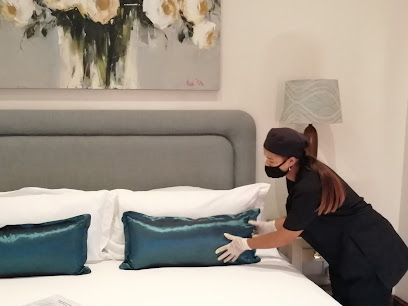
The curriculum includes a dedicated housekeeping stream featuring in‑depth modules that reflect the day‑to‑day duties of a professional housekeeping team. Core areas of study focus on maintaining high standards of cleanliness, organisation and presentation within guest rooms and public areas. Learners engage with practical sessions that cover accuracy in linen handling, bed preparation, and the maintenance of bathroom and toileting facilities to ensure guest comfort and hygiene.
Aspect of service delivery is also addressed, including how to service guest bedroom areas with diligence and attentiveness, and how to manage the upkeep of public spaces to meet brand expectations. The programme guides participants through the maintenance of housekeeping supplies and linen stock, fostering a disciplined approach to inventory and restocking that supports seamless hotel operations.
Several specialised topics appear within the curriculum, designed to broaden competence and career progression. These include the art of towel folding as a practical skillset that combines aesthetics with efficiency, and executive housekeeping training for individuals seeking higher‑level responsibilities. Complementary modules cover the coordination of housekeeping activities with front‑of‑house operations, reinforcing the importance of teamwork and consistent service delivery across departments.
While the core emphasis is on hands‑on, practical training, the curriculum is structured to emphasise standards, protocol and quality control. Learners are guided to develop professional appearance, health and hygiene awareness, and cultural sensitivity when interacting with guests and colleagues—key competencies for successful careers in hospitality environments ranging from boutique guest houses to larger resorts.
In addition to foundational housekeeping instruction, the programme may include elements that address broader hotel operations and guest service expectations. The inclusion of modules such as executive housekeeping, general housekeeping practices and maintenance of linen supply indicates an integrated approach to the role, preparing learners for progression within housekeeping departments or related supervisory positions.
External resources and practical demonstrations underpin the curriculum, with a focus on developing confidence in performing routine duties efficiently while maintaining consistent quality. The academy places value on transferable skills that support career mobility within the hospitality sector, including attention to detail, time management and adherence to health and safety guidelines.
Details regarding delivery formats, durations, entry requirements or accreditation are not specified in the available materials. Prospective applicants and interested organisations are encouraged to consult the academy’s official website for the latest information and any updates to the curriculum structure or programme offerings. Further information, including contact points and course outlines, can be accessed via the training provider’s site: Housekeeping Training – The Housekeeping Training Academy.
- Prepare beds and handle linen and bed coverings
- Service guest bedroom areas
- Service toilet and bathroom areas
- Clean and maintain public areas
- Maintain housekeeping service
- Maintain housekeeping supplies
- Maintain a clean linen supply
- The art of towel folding
- Executive housekeeper training
Overall, the curriculum presents a practical, hospitality‑focussed pathway for individuals aiming to build a career in housekeeping within South Africa’s diverse hospitality landscape. The programme’s hands‑on emphasis, coupled with its progression‑oriented modules, supports both new entrants and those seeking to enhance supervisory capabilities in the housekeeping domain.
Faculties and Branches
The Housekeeping Training Academy, based in Benoni in Gauteng, South Africa, presents a structured portfolio of hospitality-focused education and practical training. The institute appears to organise its offerings around key functional areas within the industry, with a clear emphasis on hands-on skills relevant to housekeeping, front-of-house operations, food and beverage service, and related support services. While precise campus nomenclature is not detailed, the breadth of programmes is organised to reflect distinct faculties or departments that align with industry roles.
Within the housekeeping discipline, the curriculum covers core housekeeping functions and related service standards. Core modules include preparing beds and handling linen and bed coverings, servicing guest bedroom areas, and maintaining toilet, bathroom and public areas. The programme also addresses the maintenance of housekeeping services and supplies, as well as linen management and specialised tasks such as towel folding. These components are designed to equip learners with the practical competencies required for hotel and lodge environments and to support consistent service delivery across guest areas.
Complementing housekeeping are departmental offerings in front-of-house operations and guest services. The front desk and concierge-related sections emphasise customer service, guest arrival and departure processes, health and hygiene standards, and cultural awareness when interacting with guests and staff. A front office management strand further develops the ability to coordinate guest services, manage reception duties, and sustain a high level of professional appearance and service throughout the guest journey.
Food and beverage services form another important facet of the academy’s structure, with a dedicated restaurant training pathway. This includes waiter training with options for fine dining service, wine service, and silver service, as well as broader front-of-house training. These modules are designed to reinforce guest experience through attentive service and refined dining skills, applicable to a range of hospitality settings from hotels to restaurants and resorts.
The organisation also spans sector-specific training for lodging and guest experience outside the conventional hotel environment. Game lodge training, including safari lodge contexts, illustrates a focus on the specialised requirements of resort and lodge operations. This aligns with executive housekeeper training and tailored services for guests in remote or destination properties, highlighting the versatility of the academy’s offerings for different accommodation models.
Where applicable, additional services and programme components align with broader hospitality development, including customer service excellence and specialised training for butlers and resort staff. The structure suggests a cohesive pathway approach, whereby learners can progress through related modules across housekeeping, front-office, restaurant, and lodge contexts to support career development within the hospitality industry.
In summary, the faculties and branches reflected in The Housekeeping Training Academy’s portfolio demonstrate a comprehensive, practice-oriented framework. While explicit campus locations beyond the Benoni base are not detailed, the programme architecture indicates structured departments or faculties—housekeeping, front office, restaurant training, game lodge and resort training—that connect directly to student services and programme outcomes. Further information on any additional campuses or branch centres can be explored through the academy’s official website.
For programme details and enrolment information, prospective students and industry partners may visit the campus sections and course pages available at the site: Housekeeping Training, and related training areas such as Hotel Training, Game Lodge Training, and Restaurant Training.
Registration Details
The Housekeeping Training Academy in Benoni, Gauteng, South Africa offers specialised courses designed for individuals pursuing careers in hospitality housekeeping. Registration details for the programme are presented within the broader offering of hospitality training available on the official platform, with the dedicated housekeeping training page serving as the primary point of reference for prospective applicants.
Overview of the registration process is provided through the surrounding site structure, which positions housekeeping training as a key element within a range of hotel and resort-focused programmes. The information suggests a straightforward pathway for interested learners to engage with the course content through an online portal. While specific timelines, entry windows, or payment milestones are not enumerated in the accessible content, the general process involves reviewing programme details on the housekeeping training page and initiating the application through the linked sections of the site.
Where to apply: the most direct route to begin the registration journey is through the housekeeping training page on the Hospitality Courses platform. This page aggregates the relevant modules, outlines the scope of housekeeping practice, and aligns the course with related hospitality training offerings. Access to the applying pathway is provided via the dedicated page for housekeeping training, which functions as the central hub for registration-related information.
Registration as described in the site’s structure typically encompasses the following broad elements, without assuming specific deadlines or forms:
- Review of the programme’s scope, including bed preparation, room service, public area maintenance, linen management, towel care, and related housekeeping competencies.
- Consideration of available delivery formats, such as on-site or remote components, in line with the broader onsite training options showcased by the platform.
- Access to the apply pathway through the housekeeping training page, with further navigation to related support or information sections as needed.
Documentation requirements and formal eligibility criteria are not explicitly stated within the visible content. Potential applicants are advised to examine the housekeeping training page for any described prerequisites or indicative documents, while avoiding assumptions about specific items, deadlines, or fees. The information provided aims to offer a practical sense of the process, emphasising that the primary source of guidance is the official housekeeping training resource on the site.
Support and contact options, if published, would typically be presented within the same programme page or the site’s contact or help sections. In the absence of explicit contact details in the accessible navigation, prospective learners should consult the housekeeping training page for any stated channels or next steps. It is common for educational providers to supply a direct application link or form, along with clarifications on submission methods and response times.
For direct access to the application pathway and to explore the full scope of the Housekeeping Training Academy offering, including links to related programmes, please visit: Apply.
Sorry, no records were found. Please adjust your search criteria and try again.
Sorry, unable to load the Maps API.
Education and Educational Resources in Benoni, Gauteng
Benoni, situated in the Gauteng province, sits within easy reach of Johannesburg and other satellite towns, offering a diverse range of educational options for families and learners at every stage. The area typically hosts a mix of government and private schooling, vocational training facilities, further education colleges, and higher education institutions within a reasonable commuting distance. This blend supports a variety of learning needs and aspirations, from secondary schooling to professional preparation and lifelong learning.
Within Benoni itself and the surrounding region, learners commonly encounter a spectrum of schooling options. Primary and secondary schools often provide local language support, a range of curricular tracks, and developmental programmes aligned with national education standards. Many families explore alternative provision alongside mainstream schooling, including specialised classes, after-school activities, and developmental support services designed to address individual learning requirements. The emphasis in many schools tends to be on building foundational literacy and numeracy, developing critical thinking, and encouraging well-rounded personal growth.
For vocational and technical pathways, technical and vocational education and training (TVET) environments and college-style facilities are frequently accessible nearby. These institutions commonly offer certificate and diploma programmes in areas such as engineering studies, information technology, business administration, hospitality, and encompassing trades apprenticeships. These options often provide practical training, hands-on workshops, and industry-linked assessments intended to align skills with local employment opportunities. Learners may discover pathways from school-leaver programmes to more advanced qualifications across multiple sectors.
Higher education access is typically supported through universities and campus-based providers within a reasonable radius. Prospective students might find preparatory courses, undergraduate degrees, and postgraduate offerings designed to broaden academic credentials and professional prospects. Support services in this tier often include academic tutoring, counselling, and guidance on study skills, alongside resources that help students plan their futures, manage finances, and navigate admission processes. Where on-site accommodation exists, information is commonly available on admission timelines, residency allocations, and eligibility criteria, as part of a broader student-administration framework.
Learning support and student services commonly extend across the educational spectrum. In Benoni and nearby communities, services may encompass language assistance, literacy programmes, mathematics support, study skills development, and tutoring options. Schools and colleges frequently provide career guidance, disability services, and psychological or counselling resources to assist families in making informed decisions about education paths and transitions between different levels of study. Accessible libraries and digital resources form an important backbone, offering quiet study spaces, reference materials, academic databases, and computer facilities to support coursework and independent study.
Facilities and resources in the area generally include well-equipped laboratories for science and practical subjects, dedicated computer rooms, sports facilities, and spaces for arts and performance. Clubs, societies, and extracurricular activities are commonly promoted as a means to develop teamwork, leadership, and personal interests. Where available, student housing or campus living arrangements contribute to a sense of community and stability for those relocating to pursue studies. Accessibility and safe transport options frequently feature in local planning, enabling families to evaluate suitable routes and commuting arrangements.
Typical pathways through the Benoni educational landscape begin with choosing a suitable school or learning centre, followed by registration or enrolment periods aligned with local calendars. For those pursuing post-secondary routes, adult education or vocational training often present flexible intake opportunities, with programmes designed to accommodate varying schedules. Adapting to progression requires awareness of qualification frameworks, credit transfer possibilities, and the availability of bridging or preparatory courses to support smooth transitions between levels of study. Reliable information on admissions timelines, required documentation, and financial considerations is commonly obtainable from institutional websites, guidance offices, and local education authorities.
Overall, Benoni presents a supportive mix of learning environments and resources that cater to diverse learner profiles. The arrangement of schools, colleges, and higher education options, together with accessible learning support and well-equipped facilities, helps families navigate educational journeys with an emphasis on academic development, practical skills, and broad personal growth. Further information and updates on specific programmes and campus offerings can be found through official education portals and individual institutional websites.