The Crafter’s Corner is a Pottery classes establishment in Stellenbosch, Western Cape, South Africa
Stellenbosch
Western Cape
South Africa
South Africa
Curriculum
The Crafter’s Corner in Stellenbosch operates within a community-focused arts project that centres on accessible ceramics education. The curriculum is designed to be inclusive and adaptable, delivering practical hand-building techniques while encouraging personal creative expression. A core emphasis is placed on enabling participation from women in nearby farm communities, as well as children in the wider locality, with opportunities to translate clay skills into tangible outcomes such as functional pieces or decorative works.
Programmes and levels are structured to accommodate a range of ages and experience. The studio runs weekly ceramics classes that welcome participants with no prior experience, making introductory learning approachable for beginners. The approach prioritises hands-on learning through fundamental hand-building methods, allowing learners to realise diverse ceramic ideas—from simple, pragmatic forms to more creative explorations. In addition to standard classes, the programme invites students to bring their own project concepts, with instructors offering guidance to help realise those ideas within the studio’s facilities.
Curriculum delivery includes both regular classes and time-limited sessions. There are once-off 2-hour classes as well as package options that extend engagement through multiple sessions (2-hour or 3-hour formats). Package members enjoy the continuity of access to materials and firings, which supports incremental development and experimentation over multiple visits. Advance booking is encouraged to secure spaces, reflecting the studio’s capacity as a small, community-oriented venue that prioritises quality interaction and individual attention.
Beyond regular classes, the studio offers specialised short courses and professional training opportunities designed to broaden both practical skills and personal well-being. One notable offering is a clay-mindfulness workshop series, which combines mindfulness practices with tactile experiences in clay. These workshops are typically scheduled as weekend sessions and emphasise the therapeutic aspects of working with clay—facilitating calm, focused creativity alongside skill development. Information about upcoming clay-mindfulness events is shared through the organisation’s social channels, making participation easy to track for interested learners.
Group experiences are an integral part of the curriculum landscape. The Crafter’s Corner supports group bookings for five to ten participants, enabling tailored sessions that suit friends, birthday gatherings, or team-building activities. Such sessions can be aligned with learners’ goals, whether as introductory experiences or as customised workshops that reflect the group’s interests. Group engagements are subject to the studio’s booking availability and require advance planning to ensure a suitable timetable.
Workshops and services extend the core curriculum into practical, real-world applications. Visitors can commission customised ceramics, case studies of which have included dinner sets, cups, memorial tiles, and other designed pieces. For those who prefer to experiment outside the studio setting, a bisqueware option is available, offering painted pieces that can be fired and collected within a short timeframe. The firing service also supports learners and hobbyists who work on ceramics outside the studio, provided the materials are compatible with the studio’s firing conditions.
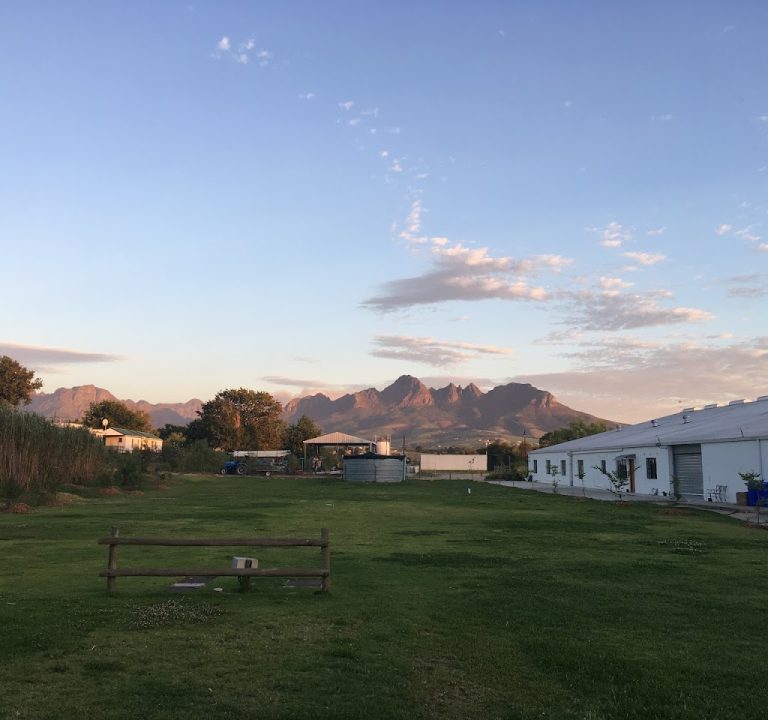
Facilities and resources play a distinctive role in the curriculum. The studio delivers a well-equipped environment with large working surfaces, a variety of tools and materials, and kilns for firing. The surrounding setting offers a peaceful, scenic backdrop, enhancing the learning experience and enabling participants to focus on their projects amid a natural, tranquil atmosphere. The layout includes an outdoor teaching area (the stoep) and indoor spaces, promoting good ventilation and flexibility for different project scales and workshops.
In terms of support services, The Crafter’s Corner emphasises a welcoming, respectful studio culture. Visitors are guided to work collaboratively, with clear expectations around safety, cleanliness, and the considerate use of shared tools. While production-level pottery is not the studio’s primary aim, the environment supports individual exploration and personal growth through experiential learning, guided practice, and access to firing and finishing services. Further information, including booking details and programme updates, can be found on the official website: https://www.thecrafterscorner.co.za/.
Faculties and Branches
The Crafter’s Corner operates as a specialised ceramics programme under the auspices of the Stellenbosch-based Living Arts Foundation, a non‑profit initiative focused on education, arts, crafts and social events within the local community. This independent project centres on accessible, community‑driven ceramics education, and operates with a clear emphasis on public service and skill development rather than traditional academic faculties.
Within its organisational framework, no formal faculties or schools are listed on the site. Instead, the centre presents a compact, service‑driven structure that supports learners through practical studios, project activity and outreach. The foundational arrangement situates a dedicated ceramics studio as the core facility, complemented by community engagement programmes and publicly accessible classes. The approach is to foster hands‑on creation, mindful practice, and opportunities for income generation through handmade ceramics.
The primary physical site is The Studio, located just outside Stellenbosch. This location provides expansive work surfaces, access to kilns for firing, and a setting that combines creative activity with scenic mountain views. The studio is described as a peaceful and safe environment suitable for both individual practice and small events. Its facilities are oriented toward practical learning, rather than formal academic instruction, underscoring a studio‑based learning model that integrates technique with real‑world project work. Visitors can learn about availability for workshop hosting and event space rentals through the site.
In addition to the studio, The Crafter’s Corner maintains a Community Project which functions as a regional outreach component. This initiative offers free ceramics classes for women from local farm communities, aiming to expand creative skills in a safe space while supporting economic resilience through potential income generation from handmade wares. Children from these communities occasionally participate, broadening access to clay and creative exploration. The community programme is anchored by partnerships and public programming, including ceramics available for sale at local outlets such as the CoCreate Hub in central Stellenbosch. This structure demonstrates the organisation’s commitment to inclusive access and social impact alongside artistic practice.
Services and activities outside the studio and community work further illustrate the programme’s breadth. Classes and other services encompass weekly ceramics instruction, group bookings, commissions for customised pieces, and a firing service for works produced offsite. Options range from single‑session classes to multi‑session packages, with appropriate scheduling and deposit requirements outlined in the booking and cancellation policies. The studio also offers bisque‑ware painting and firing, enabling participants and external artists to engage with finished ceramic surfaces without maintaining personal firing facilities.
The overall arrangement links facilities (the Studio and Community Project) with learner services (weekly classes, workshops, mindfulness sessions, and bespoke commissions) in a cohesive, community‑oriented framework. While the site does not present traditional faculties or departmental divisions, the available spaces and programmes collectively support practical skill development, creative exploration, and public engagement in ceramics. For further information on facilities, class offerings, and engagement opportunities, prospective students and community members can explore the site sections on The Studio, Community Project, and Classes & Other Services.
Further details and updates are available at The Crafter’s Corner.
Registration Details
The Crafter’s Corner operates as a community-focused studio offering ceramics classes and related services. Registration for classes and events is managed through the dedicated booking information section of the site. The programme includes a range of options, from open weekly classes to group bookings and specialised workshops, with the aim of accommodating diverse student needs while maintaining a welcoming, creative environment.
Overview of the registration process
The registration process is described in the booking information materials, which outline how to secure a place in a class or group session. Prospective participants are advised that advance booking is required to guarantee a slot, given the studio’s capacity and the popularity of certain classes. Where a booking is confirmed, a deposit arrangement is typically noted as part of securing the space, with the balance due on or before the class date. The policy recognises the value of flexibility by offering options to reschedule in certain circumstances, subject to available spaces and the terms in place for each booking type.
Where to apply
Applications and registrations are handled via the Booking Information page on The Crafter’s Corner website. This page provides the pathways to join weekly ceramics classes, group bookings, and other services offered by the studio. It also links to related terms and conditions that govern bookings and cancellations. Interested individuals should follow the booking information section to initiate a registration and to review any specific instructions related to their chosen option. See the Booking Information page for details: Booking Information.
Eligibility and entry requirements
The site indicates that the studio offers a range of classes suitable for beginners as well as those with some experience. While exact prerequisites are not itemised for every course, the emphasis is on inclusivity and enabling participants to engage with hand-building techniques and ceramics activities. The primary requirement highlighted is a willingness to participate in a scheduled class or group session and to adhere to the studio rules and safety guidelines described in the Terms and Conditions. No separate external credentials are indicated for entry beyond the standard booking and attendance process.
Documents typically required
The available content does not specify the need for documents such as portfolios or prior accreditation. Registration appears to be tied to booking a session rather than submitting formal documentation. Participants are encouraged to review the booking details for any class-specific notes, including deposit requirements and cancellation policies, to ensure a smooth registration experience.
Contact and support channels
General information and assistance regarding registrations can be obtained through the site’s contact resources. The contact area of The Crafter’s Corner provides a means of reaching out for guidance or to confirm booking details. Access to the contact page is available here: Contact.
Additional notes
The Crafter’s Corner operates from a studio outside Stellenbosch in the Western Cape, offering both public classes and community-focused programmes. Prospective registrants are advised to consult the booking information for the latest terms, including cancellation, rescheduling, and package options, to understand how each registration is structured and billed.
Sorry, no records were found. Please adjust your search criteria and try again.
Sorry, unable to load the Maps API.
Education and Resources in Stellenbosch, Western Cape
Stellenbosch sits within the Western Cape’s historic landscape, offering a range of educational opportunities for learners of all ages. The town is home to a mix of institutions that cater to primary and secondary education, higher education, and vocational training, reflecting a broad planning for lifelong learning. The academic ecosystem blends traditional classroom settings with modern facilities, supporting both local residents and families seeking specialist programmes.
At the primary and secondary level, families can expect schools that emphasise core subjects, language development, and inclusive learning. Many schools provide a framework of academic support, language assistance where needed, and enrichment activities that extend beyond the syllabus. On the higher side of education, Stellenbosch hosts universities and tertiary colleges that offer a spectrum of undergraduate and postgraduate studies, professional diplomas, and short courses. Programmes commonly span faculties such as sciences, humanities, business, engineering, and health sciences, as well as arts and cultural disciplines. Within these institutions, learners often find pathways that align with current labour market needs and further research opportunities.
Beyond traditional degree programmes, dedicated training centres and vocational institutions provide specialised certificates and diplomas in fields such as information technology, hospitality, creative industries, and practical trades. These centres typically place a strong emphasise on hands‑on skills, industry partnerships, and work‑based learning to complement academic study.
Student support and services form a recognised portion of the educational landscape. Learning centres and disability services commonly offer study skills workshops, tutoring, and assessment support. Career guidance and counselling services assist learners in exploring interests, planning study routes, and considering exchange or internship options. Financial support, bursaries, and grant information are sometimes available through individuals institutions or regional education offices, helping families plan sustainable pathways through secondary and tertiary study.
Facilities in Stellenbosch tend to be well equipped to foster a supportive learning environment. Libraries often provide quiet study spaces, access to journals and electronic resources, and study assistance services. Laboratories, computer labs, and makerspaces equip students with practical skills and research opportunities. Sports complexes and recreational facilities support physical education and team activities, contributing to a balanced student experience. Student accommodation, where offered by universities or partner organisations, can range from on‑campus halls to nearby private housing, with housing offices assisting students to navigate leases and affiliations with providers.
Typical pathways through the local education system follow a journey from school through higher education or vocational training. Admissions and registration processes generally require submission of academic records, proof of prior study where applicable, and completion of any institution‑specific application forms. Some programmes convene selection assessments or interviews, while others utilise open admissions with precedence given to progression from prior study. Prospective students are encouraged to consult official institution websites for application deadlines, recognised qualifications, and guidance on entry requirements.
For those seeking additional information, official education portals and local authority pages offer guidance on available courses, application timelines, and support services. Prospective learners and families can explore resources and programme outlines at reputable websites to plan a coherent educational journey in Stellenbosch and the surrounding Western Cape region.
- Types of institutions: primary and secondary schools, universities, colleges, and vocational training centres.
- Learning supports: tutoring, study skills workshops, language assistance, and career guidance.
- Facilities: libraries, laboratories, computer suites, sports facilities, and accommodation options.
- Typical programmes: undergraduate and postgraduate degrees, diplomas, certificates, and professional training.
- Pathways: admissions, registration, and progression from secondary to tertiary study, with guidance on documentation and timelines.
More detailed information on programmes and admissions can be found on official institutional sites and regional education portals: these resources help families navigate the options available in Stellenbosch and plan for ongoing learning throughout life.