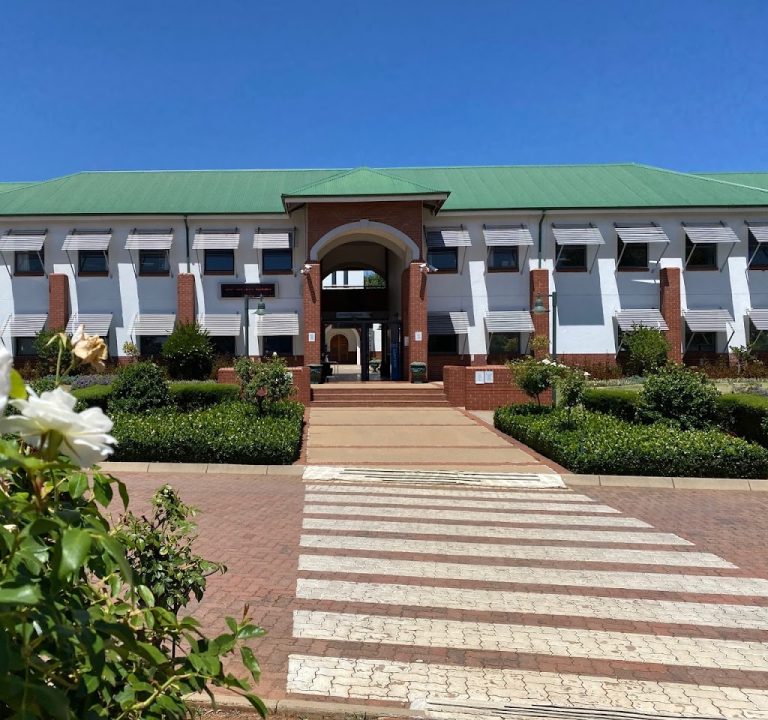
St Dunstan’s College is a Private educational institutions establishment in Benoni, Gauteng, South Africa
Benoni
Gauteng
1501
South Africa
Curriculum
St Dunstan’s College offers a structured, holistic curriculum that spans Pre-School, Preparatory and College levels, with a strong emphasis on preparing pupils for a wide range of tertiary and lifelong opportunities. The College’s academic programme is characterised by a blend of rigorous classroom learning, personalised support and an outward-facing focus on service to others, all grounded in the school’s Anglican tradition. This continuum supports learners from early childhood through to late adolescence, with pathways that encourage intellectual curiosity, creativity and responsible citizenship.
Within the College, a core feature is the dynamic approach to subject choice and progression. There is a broad range of subjects available at the Senior Phase, including Grade 10 options that allow students to tailor their study to individual strengths and future ambitions. The emphasis is on flexibility and depth of understanding rather than prescriptive combinations, enabling learners to construct a curriculum that aligns with their academic goals and career interests. This flexibility is complemented by a curriculum framework designed to promote transferable skills, critical thinking and problem-solving across disciplines.
Technological literacy and 21st-century learning are embedded in daily teaching and assessment. The College describes a personalised educational approach that integrates modern technologies with high-quality, face-to-face instruction. This strategy seeks to foster independent learning, collaboration and digital fluency, while ensuring staff provide guidance and support to each learner. The aim is to equip students with the competencies required to thrive in diverse higher education environments and later professional settings.
Academic achievement is a central focus, supported by a well-developed academic support programme. The College highlights a long-standing record of strong examination performance and positive progression to tertiary study, framed by a commitment to holistic development and the cultivation of resilience, integrity and service to others. The integrated approach recognises that academic success is enhanced when learners are engaged, motivated and well-supported across subject areas, extracurricular commitments and personal development activities.
In addition to traditional classroom-based learning, the College offers opportunities for practical and professional growth through its Internship Programme. This initiative provides pathways for aspiring educators to gain hands-on experience within the school environment. Applicants who have completed a relevant degree are considered for teaching internships, reflecting the College’s interest in nurturing future teachers and contributing to ongoing professional development within the staff community.
The curriculum is supported by a robust framework of student leadership and community involvement. There are established programmes that emphasise service, collaboration with partner schools and broader social responsibility. These elements sit alongside curriculum delivery to create a learning experience that extends beyond examination results, reinforcing character, citizenship and leadership as core outcomes of the educational journey.
Support services and distinctive resources are available to sustain learner success. The Educational Support Centre, listed under the College’s social responsibility and support offerings, provides additional assistance to pupils requiring specialised guidance. This resource reflects the College’s commitment to inclusive education and ensuring that every learner can access appropriate pathways to flourish academically and personally.
For parents and prospective students researching entry to the College, the curriculum is framed by a philosophy of breadth and depth, balanced by personalised learning experiences. The school emphasises that academic rigour should be accompanied by opportunities to excel in arts, sport, music and spiritual development, reinforcing the idea that education is about the whole person as much as milestones such as matriculation or acceptance into a chosen degree program.
Further information on College academics, subject choices and progression routes can be explored through the College Academics section on the school’s website. Additional context about admissions, curricular philosophy and student development programmes is available via the main site and linked pages, including the Educational Support Centre and the internship framework.
- College emphasis on high matric outcomes and diverse subject choices in later years
- personalised education integrating technology and 21st-century skills
- strong academic support programme to assist learners throughout their studies
- Internship Programme offering practical experience for aspiring educators
- Educational Support Centre and broader student support and leadership initiatives
Website reference: St Dunstan’s College – College Academics, Admissions and Educational Support Centre pages.
Faculties and Branches
St Dunstan’s College in Benoni presents a structured, multi-tiered educational offering that spans early childhood through to the senior college programme. The organisation is organised into three main stage groups: Pre-School, Preparatory, and College. Each stage group operates with its own characterised programmes while remaining interconnected within a common Anglican ethos and overarching mission to foster character, service and academic excellence.
Within the Pre-School section, the emphasis lies in laying foundational (nursery and early primary) education, with associated support services and partnerships that extend into later stages of schooling. While specific departments are not itemised for the Pre-School level on the publicly accessible pages, it is clear that the site provides tailored intake pathways and family-focused information through admissions and calendar resources. This early-stage framework is designed to transition pupils into the Preparatory phase with continuity in values, routines and academic grounding.
The Preparatory phase functions as the bridge between foundational learning and senior secondary studies. The site conveys a comprehensive set of resources typical of a preparatory department—including academic planning, cultural activities and sport—without detailing individual subject faculties by name. Descriptions emphasise a broad curriculum with flexible subject combinations from Grade 10 onwards, supported by staff with substantial experience and a strong emphasis on personalised learning and 21st-century skills. Preparatory information is interwoven with listings for staff, student leaders and sport and cultural programmes, suggesting an integrated preparatory faculty structure that aligns with the school’s holistic approach.
The College section represents the senior stage of St Dunstan’s educational offering. The College is highlighted as a centre of advanced academic achievement, with a claimed 100% matric pass rate and a high bachelor-degree progression rate among graduates. The College promotes a wide array of subjects and a personalised education that blends technology-enabled learning with traditional teaching. While individual faculties or departments within the College are not explicitly named on the available pages, the College Academics subsection makes clear the importance of an extensive subject menu, specialist staff, and an academic support programme designed to foster independent thought, critical enquiry and tertiary preparation. A dedicated Educational Support Centre is listed under College Social Responsibility, signalling a formal mechanism for academic and personal support services within the College framework.
Across all levels, the campus structure is presented in the plural sense, with a general implication of multiple campuses or campusespecific experiences. The site sections include explicit references to “Campuses” and to personalised campus tours, indicating that delivery of education and student services is organised through distinct, campus-based environments within the same institution. This structure supports programme delivery, admissions and student engagement across the Pre-School, Preparatory and College phases.
In terms of student services and external relationships, the College emphasises partnerships and service orientation in line with the motto “I Serve.” The Admissions and Online Applications sections accompany admissions guidance, fees and calendars, illustrating how the faculties and branches connect to recruitment, finance and scheduling. The Educational Support Centre within College Social Responsibility points to structured support for learners, including those requiring additional assistance, within the College ecosystem.
For prospective families seeking further detail on specific departments or campus locations, the institution’s website provides pathways to relevant information through its Admissions, Academics, and Campus pages. Links to external resources and online portals are used to supplement on-site offerings and continue to underline the school’s commitment to a values-based, comprehensive education across its faculties and branches.
Registration Details
St Dunstan’s College in Benoni, Gauteng, South Africa, welcomes prospective families to begin the enrolment journey with a clear pathway for admission across its multiple campuses. The college operates a straightforward online application process for prospective pupils seeking entry to Pre-School, Preparatory, or the College, subject to the applicable entry level and availability.
Overview of the application process: prospective parents are encouraged to complete the online application form to initiate the registration process. The college provides a central online application portal designed to gather essential information and preferences, supporting a smooth initial assessment of suitability and placement. The online application is the primary submission channel for new applicants.
Where to apply: applications are managed through the college’s online platform. For the College, Preparatory, and Pre-School admissions routes, available links direct applicants to the dedicated online application interface. In addition, general admissions information and related steps are accessible via the Admissions and College Admissions sections of the college website, which also link to relevant forms and guidance.
Eligibility and entry requirements: the college publishes admission information that reflects a selective intake process, including an emphasis on academic, sporting and cultural fit, alongside the school’s ethos and values. As such, eligibility considerations typically relate to the appropriate grade level and the standard of prior schooling. Specific entry requirements or entrance criteria may be outlined in the relevant admissions pages for Pre-School, Preparatory, and College, and inquiries are advised when applying for places that are in high demand.
Documents typically required: the website content does not specify a definitive list of documents within this section. Generally, admissions processes at independent schools of this type reference standard documentation such as application forms completed online, copies of previous school records, and any supporting materials that demonstrate a candidate’s suitability. If available, applicants should consult the appropriate admissions page for the exact required materials and any stated deadlines or steps.
Open days and information sessions: the college frequently hosts events to showcase the campus and provide insights into the admissions process. These events are listed on the college’s communications and event notices, and attendance may be beneficial for prospective families seeking more context before submitting an application.
Scholarships and financial considerations: information about scholarships and fee structures is published alongside admissions details. For those considering financial planning, the college’s Scholarships page and the Admissions sections offer guidance and application steps for scholarship opportunities where applicable.
Contact and support channels: for admissions guidance, prospective parents are encouraged to engage with the college’s Admissions Officer through the main admissions communications channels. The college reiterates that early applications are recommended due to high demand for places. For direct access to the online application, visitors can use the links provided in the Admissions and College Admissions pages, including the option to Complete the Online application form.
Additional information and updates are available via the college’s official site sections, including the Pre-School Admissions & Fees, Preparatory Admissions & Fees, and College Admissions & Fees pages. These resources help ensure applicants understand the current process, timelines, and expectations as they pursue enrolment at St Dunstan’s College.
Sorry, no records were found. Please adjust your search criteria and try again.
Sorry, unable to load the Maps API.
Education and Educational Resources in Benoni, Gauteng
Benoni, situated within the Gauteng province, offers a diverse landscape of educational provision suitable for a wide range of learners and families. The area hosts a mix of primary and secondary schools, dedicated training centres, further education colleges, and access to higher education institutions nearby. Together these institutions support varying learning aims, from foundational schooling to career-oriented programmes and professional development.
Within schools, learners typically engage with a broad curriculum designed to prepare for national examinations and post-school options. Secondary schools often provide subject choices across sciences, humanities, languages, and arts, paired with pastoral support and guidance on subject selection. Primary schools emphasise foundational literacy and numeracy, with opportunities for enrichment through extra-curricular activities and community partnerships.
For those seeking post-school pathways, a number of further education colleges and specialised training centres in and around Benoni offer vocational programmes and career-focused certificates. These facilities commonly provide practical courses in trades, business, information technology, hospitality, and health-related fields. Programmes are frequently structured to allow progression to higher levels or direct entry into the workforce, reflecting the practical orientation of the local economy.
Higher education access is supported by nearby universities and campuses offering undergraduate degrees, diplomas, and advanced studies across disciplines such as engineering, education, science, and the humanities. While specific programmes vary by institution, learners typically encounter a mix of classroom learning, laboratory work, and opportunities for practical placements. Partnerships with industry can enhance employability through work-integrated learning and internships.
Learning support and student services form an integral aspect of the Benoni educational ecosystem. Many institutions provide academic advising, tutoring services, language support for non-native English speakers, and help with study skills. Additional services may include career guidance, mental health and wellbeing resources, financial literacy assistance, and transition support for first-time higher education entrants. Accessibility features and inclusive education practices are commonly emphasised to accommodate diverse learning needs.
Facilities and resources commonly found across the area enhance the learning environment. Well-stocked libraries with comfortable study spaces, computer laboratories, science laboratories, art studios, and performance venues support a broad range of subjects. Sports facilities, gyms, and organised extracurricular activities contribute to balanced development and community engagement. Student housing and accommodation options, where available, provide safe and supportive environments for those relocating to study.
Typical pathways for learners in Benoni involve achieving the appropriate school-leaving results, followed by eligibility assessments for further or higher education programmes. Admissions processes generally centre on application submissions, meeting minimum entry requirements, and timely registration within the relevant academic year. For many learners, preparation for examinations, differentiation of study routes, and exploration of career interests begin early, aided by school careers guidance and community resources.
Families and learners are encouraged to explore local college prospectuses, university websites, and community education centres to identify suitable programmes, funding options, and support services. Online portals often provide details on available courses, intake periods, and campus facilities, helping to compare options and plan a coherent educational journey. As many institutions prioritise a student-centred approach, learners can typically access guidance that supports informed decision-making and smooth transitions between educational stages.
Ultimately, Benoni presents a practical and aspirational environment for education, with a spectrum of institutions and services designed to meet diverse goals. The combination of accessible facilities, supportive learning services, and clear pathways contributes to a period of study that aligns with personal ambitions and regional opportunities.