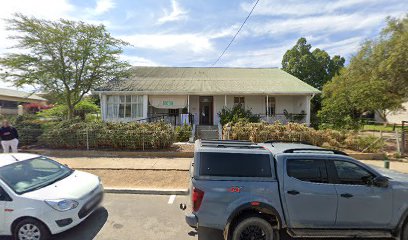
Specialised Kinesiology College – of South Africa is a Education establishment in Tulbagh, Western Cape, South Africa
Tulbagh
Western Cape
6820
South Africa
Curriculum
The curriculum surrounding the practice and study of Kinesiology within the directory listing reflects a tiered pathway beginning with foundational theory and technique, and progressing to more advanced, professional level training. Learners move through entry-level materials that introduce Energetic balancing, manual muscle testing, and the basic laws and principles underpinning Kinesiology, before advancing to more complex disciplines designed to support professional practice. The structure emphasises competency through sequential units, with assessments tied to practical skills, documentation, and knowledge checks to build a documented track record of proficiency.
The first level forms the International Certificate in Basic Kinesiology Practice (BKP). It presents essential skills in energisers and self-care, proficient manual muscle testing, introductory 5-Element theory, superficial energy connections, and the foundational philosophy and history of Kinesiology. Students also explore professional skills, including client history-taking and ethical boundaries, and gain exposure to pain reduction techniques and dietary considerations within a Kinesiology context. This level is designed to establish a holistic understanding of how body, mind and energy interact, and to prepare learners for supervised practice. The approach emphasises interactive class attendance and practical journalling, with end-of-series examinations to verify competence at each stage.
Building on BKP, the diploma pathway progresses to the International Diploma of Professional Kinesiology Practice (PKP 2). This level expands into more advanced techniques and the integration of emotional, neurological, and physiological dimensions of balance. The curriculum comprises 16 units, including regional muscle management, joint care, brain and emotional integration, and the application of biochemistry and pathophysiology concepts to wellness. The diploma is delivered as a structured programme with a defined duration that typically extends over 12 to 18 months, subject to the learner’s pace and programme uptake. Graduates emerge with a professional standard that facilitates the establishment or growth of a kinesiology practice, supported by a formal assessment framework and a documented professional track record.
Upon successful completion of the PKP, learners may advance to the International Advanced Diploma of Kinesiopractic®. This adds a further set of units designed to deepen clinical proficiency and broaden the range of techniques available for client care. The emphasis remains on evidence-informed practice, client-centred treatment planning, and the refinement of diagnostic and balancing skills to address a wider spectrum of conditions. The pathway underscores progression through increasingly sophisticated protocol-based training, with continued emphasis on ethical practice and professional communication.
Throughout the curriculum, the learning approach is grounded in practical application. Units feature hands-on balance work, client care scenarios, and the use of an established database and records system to capture client information, treatment plans, and outcomes. This supports a coherent professional development trajectory and aligns theoretical knowledge with real-world practice. Where relevant, the programme integrates nutrition and lifestyle considerations to support holistic health strategies, alongside the core energy balancing methodologies.
In addition to formal units, the curriculum illustrates flexibility in delivery. During the 2020 lockdown period, practice delivery was adapted to accommodate online sessions in addition to in-person work, demonstrating the potential for blended or remote balancing sessions that empower clients to participate actively in their corrections under guided instruction. This adaptability highlights an acknowledgement of diverse client needs and a commitment to maintaining continuity of learning and service delivery when in-person sessions are not feasible.
Support resources highlighted in the curriculum framework include structured assessment journals, ongoing competency testing, and end-of-series examinations to ensure consistent standards of knowledge and skill. The combination of theoretical content, practical balance techniques, and professional skills training aims to prepare learners for competent, client-centred kinesiology practice. For prospective students seeking the latest dates, prices, and entry requirements, information is typically distributed through formal course information channels and request processes on the associated programme pages.
Further information and course information can be explored via the primary course pages referenced in the programme materials, including the sections detailing BKP, PKP, and the Advanced Diploma in Kinesiopractic. Visitors may also review the broader course information and continuing development opportunities offered across the federation of Kinesiology programmes.
Faculties and Branches
The directory entry for Specialised Kinesiology College – of South Africa presents a structured pathway of professional kinesiology education delivered across multiple levels. While specific faculties or departments are not explicitly named on the page, the programme architecture is organised into progressive tiers that correspond to practical and theoretical training in kinesiology. The content indicates a sequence from foundational practitioner training to more advanced professional study, with pathways described as certificates, diplomas, and advanced diplomas. This structure underpins both solo practice readiness and the expansion of clinical competencies through deeper study.
The primary programme strands referenced include:
- A foundational certificate framework titled International Certificate in Basic Kinesiology Practice (BKP), which introduces core energising, muscle testing and balance techniques and forms the entry point into professional kinesiology education.
- An intermediate diploma pathway described as the International Diploma of Professional Kinesiology Practice (ICP Kinesiology Diploma), which builds on Level 1 knowledge and integrates more advanced techniques, brain and emotional integration concepts, and professional practice skills.
- An advanced credential noted as The International Advanced Diploma of Kinesiopractic®, positioned as a progression after the Level 2 Diploma, designed to elevate clinical proficiency and broaden the range of techniques available to practitioners.
In addition to outlining these levels, the content highlights developmental components such as emotional stress release, muscle balancing, nutrition and lifestyle considerations, and professional competencies (including documentation, ethics, and client management). These elements collectively describe a framework where programmes relate to hands-on practitioner work, client-centred care, and ongoing professional development.
Regarding campuses, branches or centres, the available material does not specify a network of physical campuses or regional branches connected to the Tulbagh-based institution. The listing demonstrates geographical reference in Stilbaai, Western Cape, illustrating a real-world site where a practitioner operates within the broader South African kinesiology context. The absence of explicit campus locations beyond Stilbaai means that, in the present description, the structure is conveyed primarily in terms of programme levels and their corresponding learning outcomes rather than a mapped branch system.
Student services and progression are described through the progression of units, assignments, and competency assessments that accompany each module. The pathway emphasises a monitored learning journey, with written journals, practical assessments, and end-of-series examinations designed to verify proficiency at each stage. This approach aligns with the professional aim of preparing students for independent practice while ensuring adherence to industry standards.
For further information and navigation between course sections, the organisation’s central website provides links to related course information, career courses, and general information about kinesiology. Prospective students and observers may consult the site for updates on course availability, schedules, and any expansion of online or in-person delivery. External references to international accreditation and comparative qualification frameworks are noted within the content, underscoring an awareness of broader professional benchmarks.
Website reference: Specialised Kinesiology College – directory entry
Registration Details
Registration information for Specialised Kinesiology College – of South Africa is presented in the directory as part of a broader catalogue of kinesiology education offerings. The page highlights that dates and prices are provided upon request via a dedicated form, rather than printed on the page itself. Prospective applicants are advised to contact the college through the form to obtain the latest registration details.
For those seeking entry routes or recognised qualifications, the directory illustrates a progression in professional kinesiology instruction, including foundational certificates and diplomas. This progression is showcased across multiple course levels, emphasising a sequence from introductory to advanced study. While the specific college page may not publish every administrative deadline or fee publicly, it directs interested parties to obtain current information through formal enquiry.
The registered content indicates a structured pathway beginning with introductory material and advancing through level-based programmes, with associated theoretical and practical components. Applicants should expect to engage with programme information and course details supplied upon enquiry, ensuring alignment with personal professional goals and scheduling capabilities.
Where to apply: the site provides a direct link for obtaining the latest course dates and prices. Applicants should use the form provided on the related course information pages to request up-to-date registration information. The form link is described as the means to access the latest dates and prices via emailed attachments after submission.
Additional course information and guiding materials are available through the directory’s course and course information sections. These sections include navigable pages for different levels and various course information resources, which may assist applicants in understanding the learning pathway before making a registration enquiry.
Contact and support channels on the directory page are designed to support prospective students through the enquiry process. While direct postal or telephone contact details are not reproduced here, the site typically directs users to the provided enquiry form and related course information pages for official responses and updated registration particulars.
- Overview of the application process: initiate contact via the dedicated form to request the latest dates and pricing.
- Where to apply: use the enquiry form referenced on the course information sections to receive current registration details.
- Documentation: specific documents are not listed on the directory page; obtain the official list by submitting the enquiry form.
- Support: consult the course information and contact sections on the site for assistance and official responses.
Links referenced within the directory provide access to broader course information, including all courses and course information pages, which can help prospective applicants understand the academic structure and progression pathways before making a registration enquiry.
Sorry, no records were found. Please adjust your search criteria and try again.
Sorry, unable to load the Maps API.
Education and Educational Resources in Tulbagh, Western Cape
In Tulbagh, a village nestled in the Western Cape, learners and families encounter a diverse range of educational options that support progression from early schooling through to higher and further education. The local landscape typically includes primary and secondary schools that follow national and regional curricula, as well as nearby towns offering additional schooling facilities. Many families access settings within or close to the town that emphasise achievable pathways for academic, vocational, and practical learning.
Within schools, learners commonly encounter programmes aligned to national standards, with subjects spanning languages, mathematics, sciences, social sciences, and the arts. Early grade foundations combine core literacy and numeracy with opportunities for enrichment in science, technology, engineering and mathematics (STEM) related activities. In secondary settings, learners often explore a broad subject mix designed to prepare for further studies or direct employment. Guidance on subject choices, assessment timelines, and progression routes is typically provided through school guidance services and external education offices in the wider region.
Higher educational opportunities are available through colleges and specialised training centres in and around Tulbagh and the surrounding Western Cape. These institutions frequently offer certificate, diploma, and a selection of practical programmes aimed at skills development, hospitality, agriculture, business studies, and information technology. General pathways include transitions from further education into higher education, as well as recognised occupational qualifications that reflect local industry needs. Prospective students may encounter admissions discussions focused on programme prerequisites, available funding options, and support services designed to facilitate access to training.
Learning support services form an important component of the education landscape. Where needed, schools and colleges commonly provide additional tutoring, language support, and study skills development. Access to career guidance, counselling, and psycho-social support helps learners make informed decisions about their educational routes and personal development. For those returning to study later in life, adult education and continuing education programmes frequently exist to accommodate flexible timetables and blended learning approaches.
Facilities and resources across Tulbagh and its environs typically include libraries with lending services, quiet study spaces, and access to reference materials. Science and computer laboratories enable practical exploration of theories learned in the classroom. Sport and recreation facilities supporting physical education, team sports, and fitness training are often available within school grounds and community venues. Accommodation may be provided through boarding facilities associated with some colleges or regional campuses, as well as local housing options suitable for students who relocate for study.
Learning outside the classroom is encouraged through demonstration farms, cultural centres, and community partnerships that illustrate real-world applications of classroom knowledge. Students frequently gain practical experience through internships, work placements, or volunteering opportunities aligned to local industries such as agriculture, tourism, and small-scale enterprise.
Typical admissions processes involve submitting standard application materials within set timelines, followed by programme-specific requirements that may include admission tests, language assessments, or interviews. Registration procedures commonly require a registration form, proof of prior learning, and the demonstration of meeting programme prerequisites. Financial planning, including available bursaries or scholarships, is frequently discussed in advance to support sustainable access to education.
Overall, Tulbagh offers a supportive environment where learners can pursue a range of educational routes—from foundational schooling to specialised training and higher education. The interconnected network of schools, colleges, training centres, and community resources provides pathways that cater to diverse interests, abilities, and career ambitions, while emphasising the importance of ongoing learning and skills development.
- Local schools provide foundational education with guidance services to assist subject choice and progression.
- Colleges and training centres offer certificates, diplomas, and practical programmes across multiple disciplines.
- Libraries, labs, and sport facilities support both academic study and personal development.
- Guidance, counselling, and career services help map education-to-work transitions.
- Community partnerships and internships enable real-world experience aligned with local industries.
For those seeking information, regional education authorities and individual institutional websites often present current admission timelines, programme offerings, and support services available to Tulbagh learners and families.