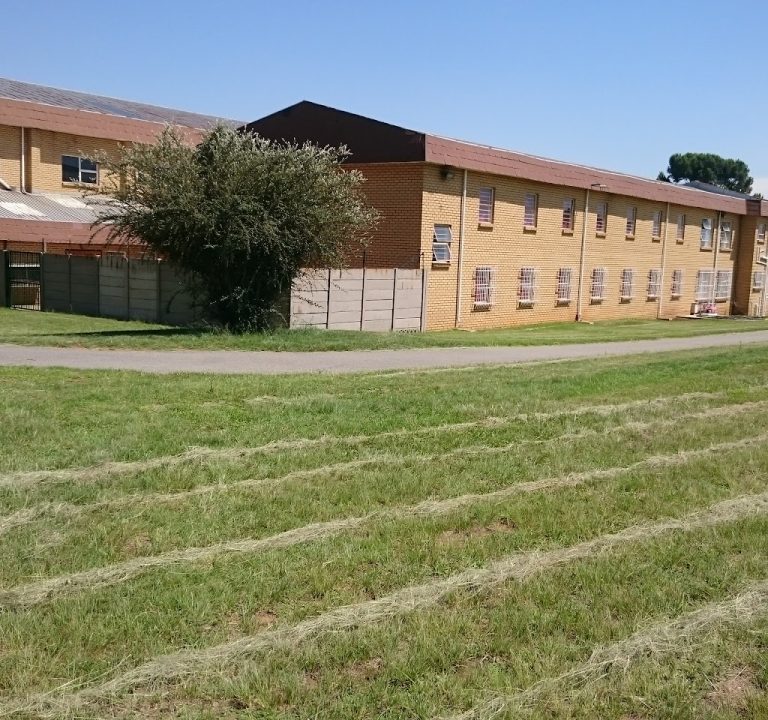
Southern Africa Bible College is a Colleges establishment in Benoni, Gauteng, South Africa
Benoni
Gauteng
Benoni
South Africa
Curriculum
Southern Africa Bible College (SABC) structures its academic offerings around foundational theological training and more advanced Biblical studies through two principal pathways. The college presents a High Certificate in Theology and a Bachelor of Arts in Theology, positioning these programmes as entry and progression routes for students pursuing formal study in Christian ministry and related disciplines.
The curriculum emphasises Bible-based learning within a family-oriented, faith-centred environment. It is designed to foster both academic understanding and practical application, with a focus on forming graduates who are grounded in theological study and equipped for ministry or further study. The college’s approach is illustrated by the lived experiences of current and past students, who describe the journey as one that extends beyond qualification to personal and community formation.
Programme information and course details are presented via the college’s course pages, which outline the pathways available and provide access to application resources. While specific modules, durations, and entry requirements are not itemised in this overview, the offerings are clearly presented as distinct levels of study—high certificates for foundational training and a degree programme for more in-depth theological study.
In addition to formal programmes, SABC highlights opportunities for engagement through student life and media resources. The “Student Life” section and visual materials such as the “SABC In Action” video suggest a curriculum culture that integrates classroom learning with campus experiences and practical examples of ministry and community engagement.
The college’s online presence indicates a pathway for potential applicants to explore academic options and apply online, reinforcing accessibility for those who may be pursuing study from various locations. While online or blended delivery specifics are not detailed in this overview, the inclusion of online application and publicly available course information points to a commitment to accessible educational pathways.
- Foundational pathway: High Certificate in Theology
- Higher education pathway: BA (Bachelor of Arts) in Theology
- Curriculum approach emphasises Bible-based, practical learning within a supportive community
Distinctive learning resources referenced by the college include multimedia and campus life features, which complement formal study. The availability of student testimonials and in-action media underscores an emphasis on experiential learning and real-world context for theological education.
For prospective students seeking further details on curricula, entry requirements, or tuition, interested readers should consult the college’s course pages and official online resources. References to application deadlines and the 2026 intake indicate a structured academic cycle, with opportunities to engage during the annual admission period.
Accessibility to information is facilitated through the college’s main site, with links to about pages and contact resources for further clarification. While the overview here does not enumerate every module or credit structure, it presents a clear sense of the college’s curricular focus and the levels of study available to aspiring scholars and practitioners in the field of theology.
For additional context on the broader student experience, the website's multimedia and student-life sections offer insight into the supportive environment and community ethos that accompany the academic programme, contributing to a holistic educational experience at Southern Africa Bible College.
Faculties and Branches
Southern Africa Bible College, located in Benoni, Gauteng, focuses its academic provision on theology through clearly defined study routes. The college offers two theology-centred qualifications designed to meet different educational aims and professional paths.
Within the academic structure, the main offerings include:
- High Certificate in Theology Studies (HC: Theology)
- Bachelor of Arts in Theology (BA: Theology)
These programmes represent the college’s primary faculty-level focus, emphasising biblical study, theological understanding, and related ministerial preparation. The design highlights a progression from foundational theological training to more advanced degree-level study, supporting students in developing both practical ministry skills and scholarly knowledge.
Beyond the formal qualifications, the college presents a sense of community and support through student life initiatives and testimonials from current and former students, illustrating the atmosphere and values that frame the academic journey. While specific branches or satellite centres are not detailed on the site, the institution’s online resources and course pages provide access to information about curricula, admissions, and student services.
Prospective students and visitors can engage with the college through the main website for further details on programmes, admission timelines, and application processes. The site also offers quick links to background information, contact options, and policies, ensuring a comprehensive overview of the institution’s academic environment and student support services.
Overall, the Faculties and the structure of study at Southern Africa Bible College emphasise theology-focused education within a community-oriented campus experience, guiding learners from foundational study to degree-level attainment while connecting programmes to broader student life and institutional objectives.
For more information, see the college’s main site: Southern Africa Bible College.
Registration Details
Southern Africa Bible College, based in Benoni, Gauteng, South Africa, is currently inviting prospective students for its 2026 intake. Applications are open, with a closing date set for 19 January 2026. This period marks the opportunity to begin studies in theology through the college’s available programmes.
Overview of the application process is provided in a straightforward, online format. Interested applicants are advised to start the process through the college’s official application portal, where the primary action is to submit an application for admission. The main entry point for applications is accessible via the following link:
For further information or assistance regarding registration, prospective students may also consult the college’s general contact resources. The website provides a dedicated “Contact Us” page and related sections that outline support channels and additional guidance. These resources can be accessed through the Quick Links area on the site.
Where to apply and access to ongoing information are clearly signposted on the institution’s site. The Apply Now link above leads directly to the registration workflow, while the surrounding site offers details about student life, academics, and the broader programme offerings, should interests extend beyond initial registration.
Note: The available content does not specify entry requirements, required documents, deadlines beyond the closing date, or any application fees. Information of this nature appears to be generalised or not stated explicitly in the provided content. Where specifics are necessary, potential applicants are encouraged to review the official application page and the college’s general contact pages for the most up-to-date guidance.
Contact or support channels are indicated on the college’s site through its “Contact Us” section. Access to these resources is available via the website’s navigation, enabling prospective students to obtain direct help or clarification as needed. The institution’s site also features additional sections such as About Us and Privacy Policy for further context and reassurance about the registration process.
Sorry, no records were found. Please adjust your search criteria and try again.
Sorry, unable to load the Maps API.
Education and Educational Resources in Benoni, Gauteng
Benoni sits within the Gauteng province of South Africa, and its educational landscape reflects a broad spectrum of options for learners and families. Across the area, schools, colleges, and training centres collaborate with local communities to provide access to primary and secondary education, practical programmes, and adult learning opportunities. The surrounding region benefits from a mix of public provisions and independent institutions, with services designed to support diverse learning needs and aspirations.
Types of institutions commonly found in and around Benoni include primary and secondary schools, faith-based and independent schools, and vocational or technical training centres. Public schools often align with national curricula and assessment standards, while independent schools may offer additional curricular approaches or language options. For post-secondary study, students can explore further education and training colleges, career-focused diplomas, and professional courses that align with local industry requirements. Nearby universities in the broader Gauteng area provide degree programmes across fields such as business, sciences, humanities, engineering, and health sciences, accessible through shared regional transport networks and campus resources.
Typical learning programmes and levels span the following:
- Primary and secondary education, preparing learners for national examinations and the matriculation pathway.
- National Senior Certificate and gateway programmes at senior secondary level.
- Technical and vocational education and training (TVET) courses, apprenticeships, and skills programmes focused on practical competencies.
- Short courses and professional certificates in areas such as information technology, business administration, hospitality, and creative industries.
- Diplomas and bachelor’s degree studies pursued through local institutions or nearby universities.
Learning support and student services play a crucial role in Benoni’s educational ecosystem. Many schools and colleges offer access to guidance counselling, academic tutoring, and language support to assist learners with diverse backgrounds and needs. Special educational needs provisions, assistive technologies, and personalised learning plans are increasingly emphasised, helping students navigate challenges and stay on track with their educational goals. When exploring options, prospective learners may encounter information on enrolment timelines, placement tests, and registration processes that vary by institution but generally follow a cycle aligned with academic years.
Facilities and resources commonly available to learners include well-stocked libraries, science and computer laboratories, ICT centres, and dedicated study spaces. Sport and recreation facilities often accompany campuses, supporting physical education and extracurricular activities. On many campuses, accommodation options, such as student residences or partner housing, provide a supportive environment for learners who travel from outside Benoni or require stability during studies. Access to transport networks and campus partnerships can assist with commuting and practical navigation between institutions and residential areas.
Typical pathways begin with researching local schools or programmes, followed by submission of admissions or registration materials within designated deadlines. Prospective students may be guided through subject selections, prerequisites for specific programmes, and information on assessment requirements. For those pursuing higher-level studies, articulation routes between college diplomas and university degrees can offer progression options, subject to meeting subject and/ or grade requirements. Open days, information evenings, and online prospectuses are common tools to help families and learners compare offerings and make informed choices.
Further information about education in South Africa, including national curricula and regulatory frameworks, can be found through official education portals and government resources. These sources provide guidance on eligibility, recognition of qualifications, and general considerations for registration and progression across Gauteng and the Benoni area.
For more details, general guidance and updates may be accessed via respected national and provincial education websites: Department of Basic Education and Gauteng Provincial Government.