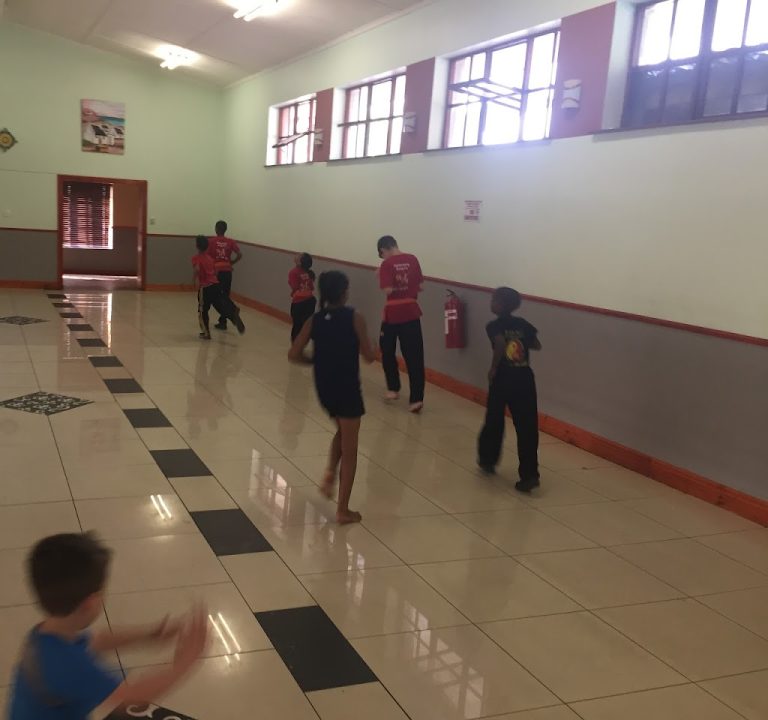
Somerset West Kung Fu Academy is a Kung fu school establishment in Strand, Western Cape, South Africa
Strand
Western Cape
7140
South Africa
Curriculum
Somerset West Kung Fu Academy delivers a structured martial arts programme centred on Shaolin Kung Fu training for a wide range of ages and goals. The academy lists ongoing monthly programmes that cater to primary school pupils, secondary school students, and adults, with pricing described on the site as ongoing, unlimited memberships. The approach emphasises regular practice and progression through the ranks, with membership levels reflecting the participant’s stage in the journey—from initial familiarisation to more advanced technique and forms. While precise course modules are not itemised, the curriculum is framed around steady skill development, physical conditioning, and adherence to the discipline intrinsic to Shaolin martial arts.
The academy’s offerings are explicitly designed to support both beginners and those seeking to advance. Private training is highlighted as a distinct option, described as “Private Training Kung Fu New 2023” with sessions focused on individual instruction and scheduling flexibility. This emphasis on personalised coaching complements the group sessions, enabling learners to address specific goals, refine technique, and accelerate progress in a customised setting. The presence of private sessions indicates a layered curriculum where foundational learning can be reinforced through one‑to‑one guidance alongside ongoing group work.
Within the group cohort, the curriculum appears to incorporate a progression model aligned with the Shaolin tradition. The pricing notes reference “Shaolin Láng shì” as a terminology used for the programmes, suggesting a structured naming scheme for levels or phases within the school’s curriculum. Although a detailed course catalogue is not published, the structure implies a tiered pathway where students move from introductory training through intermediate practice to more advanced Kung Fu applications, under the supervision of experienced instructors.
Instructor-led instruction forms the backbone of the curriculum. The academy emphasises the role of its masters and qualified instructors, highlighting direct engagement with practitioners who are connected to the broader Shaolin lineage. This linkage to renowned masters and international Shaolin circles underpins the credibility and depth of the teaching framework, offering learners exposure to authentic methods and historical context alongside contemporary practice. The presence of experienced instructors supports a curriculum that integrates traditional forms, practical application, and athletic conditioning.
Beyond standard classes, the academy promotes opportunities for achievement and recognition. A page dedicated to student achievements describes participation in international competitions and notable results, illustrating how the curriculum is able to support competitive learning and outward demonstration of skill. The inclusion of success stories signals a curriculum that not only teaches technique but also fosters confidence, perseverance, and a sense of accomplishment among learners. This external validation may serve as a motivator within the programme, encouraging continued effort and engagement with the learning process.
In terms of additional learning resources and student support, the academy offers a free trial session, highlighting an introductory pathway for prospective students to assess fit with the programme. The site also references a broader community and mentorship environment, with connections to charitable partnerships that extend learning beyond the studio. While the core curriculum itself is delivered within the studio setting, these supplementary elements contribute to a holistic learning experience, reinforcing discipline, social responsibility, and personal growth as integral outcomes of training.
Regarding delivery modes, the information available indicates emphasis on in-person classes augmented by scheduled private training. While online or blended options are not described on the site, the focus on live instruction—group sessions, private coaching, and structured timetables—points to a traditional, studio-based curriculum designed for regular attendance and hands-on practice. Learners are therefore encouraged to engage consistently with the programme to realise improvements across strength, flexibility, coordination, and mental discipline.
Overall, the curriculum at Somerset West Kung Fu Academy presents a layered, authentic martial arts pathway rooted in Shaolin practices, supported by experienced instructors, opportunities for private coaching, and a track record of student achievement in international competition. The programme aims to produce well-rounded practitioners who develop physical capability, self‑confidence, and moral focus while engaging with a recognised traditional discipline.
- Programmes for Primary, Secondary, and Adult learners with ongoing monthly membership
- Private Training options for personalised coaching
- Structured progression within Shaolin Kung Fu (Láng shì) terminology
- Access to experienced instructors and direct connections to Shaolin masters
- Opportunities for student achievement and participation in competitions
- Introductory free trial and general support through the studio community
For prospective students seeking further information, the academy’s site maintains a dedicated contact and scheduling page, providing a practical route to arrange visits, book sessions, or discuss goals and suitability before enrolment.
Faculties and Branches
Somerset West Kung Fu Academy operates under the Shaolin Academy of Martial Arts, offering Shaolin Kung Fu training within the Western Cape. While the site presents the academy in the Gordon’s Bay area, the programme information indicates an emphasis on Shaolin-style martial arts training available to students in the region surrounding Strand, Western Cape.
The teaching structure centres on a dedicated martial arts programme led by Sifu André de Wit, who is listed as an instructor for Shaolin Kung Fu Training. The instructional framework is described in the public content as comprising private training as well as group sessions, with a progression pathway that includes beginners, intermediate, and advanced levels.
In addition to regular classes, the site references specialised scheduling for Shaolin Kung Fu Training, indicating a standing timetable for sessions led by the named instructor. This structure supports both ongoing skill development and opportunities for personal coaching through private sessions, aligning with the academy’s emphasis on individual student progress.
From a student-services perspective, the site highlights several related elements. It includes a booking system for private sessions, a pricing section detailing monthly programmes for primary and secondary school students as well as adults, and information about student achievements tied to participation in competitions and international events. There is also a presence of classroom-style content related to the benefits and philosophy of martial arts, underscoring a holistic approach to education within the martial arts framework.
The academy’s online footprint includes a contact and FAQ resource, a gallery, and a schedule page, which together illustrate how the faculties and branches are organised to support programme delivery and student engagement. While explicit multiple campuses are not enumerated, the content consistently presents a single core location and a coherent programme offering under the Shaolin/Kung Fu umbrella, with scope for involvement across different student groups and age ranges.
For prospective students and families seeking information on how the programme relates to services, the site indicates options for private training, group classes, and ongoing member engagement through events such as sign-up for sessions and access to student achievement stories. Additional resources, including a contact page and pricing details, provide avenues for further real-world context about the academy’s structure and offerings.
- Faculty/Instructor: Sifu André de Wit (Shaolin Kung Fu Training)
- Programme elements: Private Training; Beginner, Intermediate, and Advanced Kung Fu; Additional Classes
- Statement of location: Western Cape region with activity in Gordon’s Bay area; serving Strand
- Student services: Booking for sessions; Pricing by programme; Student achievements and competitions
Further details and updates can be accessed via the academy’s website sections, including the contact page and the booking system, which together map the relationship between faculties, branches, and the programmes offered to students.
Registration Details
Somerset West Kung Fu Academy presents a straightforward registration pathway through its Gymdesk-based pages. Prospective participants can begin by exploring available programmes and scheduling options, then proceed to sign up for a chosen membership type. The academy markets monthly pricing across programmes, with sign-up requirements noted as part of the process. A free trial may be offered on request, subject to terms and availability.
The registration process can be summarised as follows: first, review the class or programme options and identify a suitable schedule. Next, use the provided online signup links to select a membership type and complete the sign-up flow. The online booking and signup system is integrated with the academy’s booking pages, which show current sessions and allow for session bookings as well as ongoing memberships.
Where to apply: the primary entry points are the site’s booking and signup sections. Potential applicants should consult the Booking page for private or group sessions and the Sign up page for membership registration. Direct links visible on the site include:
- Primary School Student signup
- Secondary School Student signup
- Adult signup
- Booking and session selection
Eligibility and entry requirements are not stated in detail. The site denotes ongoing, unlimited access programmes for various age groups and levels, with pricing presented per month. For specific eligibility criteria or suitability, prospective entrants are encouraged to review the current class descriptions and, if needed, consult the Contact page for further guidance.
Documents typically required are not explicitly listed on the provided pages. Given typical operations for gym memberships, the sign-up process is performed online via the signup links, which handle the enrolment digitally. For those seeking assistance or confirmation of requirements, the Contact Us page is available.
Contact and support channels: inquiries can be directed through the site's contact hub, including a dedicated contact page. The link to reach out is:
Additional details, such as the overall pricing and terms and conditions, are described on the Pricing page, which states that pricing is monthly and subject to change, with free trial options available on request. Readers should review the Pricing page for the latest terms before completing a signup.
Overall, the Registration Details section directs prospective students to the online booking and signup system, emphasising a streamlined, self-service approach to enrolment with appropriate online support and a path to trial sessions where available.
Sorry, no records were found. Please adjust your search criteria and try again.
Sorry, unable to load the Maps API.
Education and Resources in Strand, Western Cape
Strand, a coastal town in the Western Cape, offers a diverse landscape of education and learning opportunities for learners and families. The area sits within reach of Cape Town’s urban higher education sector while also hosting local schooling and training facilities that cater to a broad range of needs and interests. The educational ecosystem in Strand combines school-level provision, further education, and access to learning support services that are commonly available in South Africa’s suburban communities.
Across the town, learners typically encounter a mix of primary and secondary schools that follow the national syllabus and provincial curriculum. These schools may emphasise core subjects such as languages, mathematics, science, and social studies, while also offering elective options in areas such as arts, technology, and physical education. For older learners, there are opportunities to pursue national recognised qualifications at higher levels through avenues such as senior secondary certificates and vocational streams. Schools frequently provide enhanced support for learners, including remedial programmes, language assistance, and guidance on study skills, with an emphasis on preparing students for further study or entry into the workforce.
Further education and training in the Strand area is typically complemented by nearby colleges and public TVET (Technical and Vocational Education and Training) institutions. These establishments commonly offer practical, career-focused programmes across fields such as business studies, information technology, hospitality, engineering trades, and health services. The emphasis in these programmes is often on hands-on learning, recognised certificates, diplomas, and progression routes to higher qualifications. For students seeking a university pathway, Strand lies within reasonable reach of metropolitan universities and larger campuses in the Western Cape, where degree programmes in arts, sciences, engineering, education, and professional fields are available across a range of campuses and partner institutions.
Learning support and student services are a characteristic feature of the local education scene. Many schools and colleges provide access to learning support staff, counselling services, and academic guidance to assist learners in navigating courses, examinations, and personal development. Support may include language development for multilingual learners, disability services, and information about funding options or bursaries offered by regional and national organisations. Where additional assistance is needed, learners can often explore community-based programmes, after-school activities, and library-led study groups that extend learning beyond the classroom.
Facilities and resources commonly encountered by students and families in Strand include well-equipped libraries offering quiet study spaces, reference collections, and access to digital resources. Laboratories for science subjects and practical workshops for vocational courses are typically available at larger institutions, enabling hands-on experimentation and project work. Recreational facilities, such as sports fields, gymnasia, and outdoor courts, support a holistic approach to student well-being and achievement. Accommodation options may be available nearby through campus residencies or private providers, particularly for students commuting from surrounding towns or pursuing higher education studies away from home.
Typical pathways for admissions and registration are generally straightforward, with clear timelines and sets of required documents. Prospective students usually complete an application for enrolment or a place on a course through the institution’s administrative offices or online portals. Requirements commonly include proof of identity, prior academic records, and evidence of eligibility for the chosen programme. Guidance on admissions procedures is often provided by student services or school career counselling units, and information about important dates, orientation sessions, and examination regimes is routinely published by the institutions themselves.
For families exploring Strand, the combination of schools, technical training options, and access to higher education opportunities presents a spectrum of viable routes. The local learning environment typically emphasises practical skills alongside academic study, catering to diverse aspirations—from preparing for further study to entering the workforce with applicable certificates. Information about current programmes, open days, and application windows can usually be found through regional education portals and individual institutional websites.
- Primary and secondary schooling with subject breadth and learner support
- Public TVET colleges and vocational training programmes
- Access to university-level study through nearby campuses and partner institutions
- Learning support services, counselling, and academic guidance
- Libraries, laboratories, and practical facilities to support coursework
- Sports, arts facilities, and accommodation options for students
- Clear admissions pathways and registration processes
Website links to educational authorities and local institutions provide further details on courses, enrolment timelines, and available financial assistance. These resources offer ongoing guidance for families seeking to plan and navigate the educational journey in Strand and the wider Western Cape region.