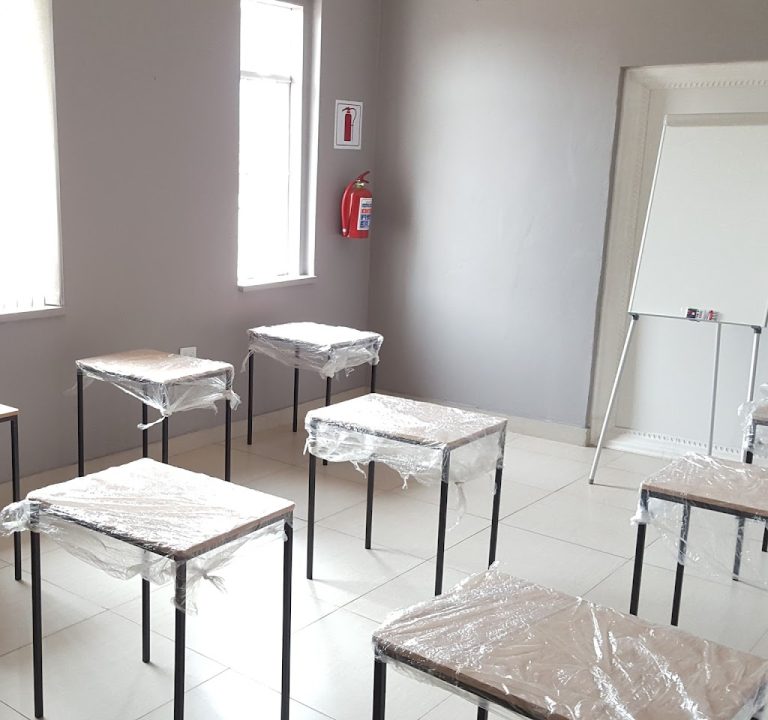
SAAAC East Rand is a Education centers establishment in Brakpan, Gauteng, South Africa
Brakpan
Gauteng
1541
South Africa
Curriculum
SAAAC East Rand, serving Brakpan in Gauteng, aligns its curriculum with the broader SAAAC approach to applied competence, offering a range of qualifications and learning programmes through Prestige College campuses and associated centres. The broad mix encompasses occupational certificates, national diplomas and diplomas across several faculties, reflecting a commitment to practical, hands-on learning that prepares students for work, further study or professional registration.
Programmes and levels span sectors such as Engineering, Legal Studies, Travel, Hospitality & Tourism, Business, Information Processing and Public Sector Accounting. Within the Engineering stream, for example, N4 to N6 level study is typically structured to combine theory with workplace practice, ensuring that technical concepts are reinforced by real-world application. In the Business and Finance area, offerings include N4–N6 progression routes and more advanced diplomas in financial accounting, management, HR, marketing and related disciplines, with specific pathways varying by campus. A dedicated Public Sector Accounting and Office Administration stream also features to reflect South Africa’s public administration needs.
Beyond the traditional National N Diploma and Diploma tracks, the curriculum emphasises recognised professional routes such as the ICB (Institute of Certified Bookkeepers) and CTH (Council for Travel & Hospitality) affiliations, indicating alignment with industry standards and external assessment frameworks. This positions the curriculum as one that blends college‑level theory with industry‑linked competencies, encouraging graduates to be work‑ready across a spectrum of vocational and professional contexts.
The curriculum is delivered through structured modules and semester-style progression, with standard durations that typically combine classroom theory and practical components. Where available, workplace practice is integrated into the programme design, mirroring the realities of employment and helping students develop job-ready skills through supervised work placements or practical projects. This approach reflects the college’s emphasis on applied competence and employability as core outcomes of the learning process.
Short courses and professional training forms a notable feature of the offering. ICDL (International Computer Driving Licence) and other information processing qualifications appear among the accessible options, alongside TestOut and related digital literacy resources. Such units serve as targeted enhancements for students seeking specific, certifiable skills in computer use, software proficiency and related ICT competencies. Short‑cycle training is framed as a pathway to immediate workplace application and is designed to complement longer academic qualifications.
Curriculum delivery accommodates blended and online elements within the group’s broader scope of Corporate, Online, and Blended Learning. While the East Rand notice does not itemise campus‑level online courses, the overarching framework indicates that flexible delivery modes may be available to suit diverse student needs, including part‑time study arrangements. Prospective students are encouraged to verify the available formats with the campus to understand how online and blended options integrate with the standard on‑campus programmes.
Student support and learning resources form an integral part of the curriculum ecosystem. The institution highlights access to additional learning aids such as ICT facilities and specialist resources distributed across campuses. Support structures are evidenced by a network of tutors, lecturers and staff who contribute to a guided learning experience, alongside formal assessment schedules and readiness materials for tests and examinations. The existence of registered exam centres and DHET/industry accreditation markers underscores a structured framework for progression, assessment, and credentialing.
Distinctive learning resources associated with the overall SAAAC offering include computer‑based literacy and certification pathways (e.g., ICDL, Microsoft Office and related platforms), formal partnerships with professional bodies (ICB, CTH, ITHSA, ICDL, TestOut) and access to fact sheets and assessment calendars that help students navigate the academic year. Extracurricular and student support initiatives—such as hostel facilities at select campuses and campus‑level events—contribute to a well‑rounded student experience, supporting academic ambitions with personal development and career readiness opportunities.
Overall, the curriculum at SAAAC East Rand is characterised by a pragmatic, industry‑relevant focus, underpinned by applied learning, work‑integrated components where feasible, and a catalogue of short courses and professional qualifications that extend students’ options beyond traditional degree pathways. The programme architecture is designed to facilitate progression from introductory NQF levels through to higher qualifications, while maintaining a clear emphasis on employability, practical competence and ongoing professional development.
For further details on specific courses, entry requirements, durations and campus‑level offerings, readers are advised to consult the central SAAAC information hub or contact the Prestige College campus network, which administers many of the curriculum pathways across the group.
Faculties and Branches
SAAAC East Rand, in the broader SAAAC Group network, presents a structured range of faculties and specialised centres across its campuses. While the specific East Rand location is not detailed in the provided materials, the organisation’s approach centres on offering accredited qualifications through clearly defined faculties, supported by campus-based delivery that aligns with national standards and recognised bodies.
Engineering: The Faculty of Engineering delivers programmes designed to develop practical competence alongside theoretical understanding. Courses include Civil, Electrical and Mechanical Engineering at N4-N6 levels, with study pathways that balance classroom learning and workplace-based practice. This structure emphasises hands-on skills development and readiness for engineering roles in industry, and arrangements exist for campus-specific delivery where applicable.
Legal Studies: The Faculty of Legal Studies focuses on professional legal administration, including offerings such as the National Diploma: Legal Secretary. These programmes are designed to equip students with the administrative and legal knowledge required in various institutional and commercial settings, supported by campus facilities that host the relevant learning activities.
Travel, Hospitality & Tourism: This faculty covers the hospitality and travel sector, including an International Diploma in Travel & Hospitality and a National Diploma in Tourism. Courses are delivered at designated campuses and are structured to integrate classroom learning with practical exposure, preparing students for service delivery, customer-facing roles and management in tourism-focused organisations.
Business Studies: The Faculty of Business presents multiple streams, including National Diplomas in Business Management, Financial Management, Human Resource Management, Management Assistance, Marketing Management, Public Management and Public Relations, with additional specialisations such as Popular Music in some configurations. Programmes are offered across select campuses and are designed to develop strategic thinking, financial literacy and organisational leadership across private and public sectors. The faculty also includes combination offerings that pair business disciplines with sound engineering competencies where relevant.
Finance (ICB) and Public Sector Accounting, Office Administration & Entrepreneurship (ICB): These strands prepare learners for professional accounting and administrative roles, including diplomas and certificates aligned with ICB qualifications. Delivery focuses on accurate financial reporting, bookkeeping skills, and public sector administration, with progressive pathways that support career progression from entry-level certificates to higher diplomas.
Information Processing: This area includes ICT-related credentials such as ICDL and Microsoft Office, reflecting a focus on essential digital skills that support employability across all faculties. The centre emphasises practical ICT literacy as a foundational capability for learners across programmes.
Matric Rewrites & Upgrades: Across multiple campuses, SAAAC provides matric rewrites and upgrade services, positioning this as a student support service that complements the academic programmes. Examinations and assessment materials are coordinated through registered exam centres to help learners improve results and access higher qualifications.
Centres and Campuses: The materials indicate a network that spans Prestige College Campus in Hammanskraal and additional campuses in Queenstown, Durban, East London and other locations. Although specific East Rand campus details are not provided within the supplied content, the organisation’s campus model is designed to offer geographically accessible programmes and learner support services. Prospective students are encouraged to review the site for campus-specific offerings, by programme, and to verify where particular qualifications are delivered.
For further information on current faculties, campus locations and available programmes, the official SAAAC website provides the most up-to-date details and guidance on admissions, dates and course sheets. Interested readers can explore the main site at www.saaac.co.za.
Registration Details
Registration information for SAAAC East Rand, Brakpan, Gauteng, South Africa, is presented from the perspective of an external observer drawing on publicly available material from the SAAAC site. The organisation operates within a network of campuses and programmes, emphasising a range of qualifications that align with industry and recognised accrediting bodies. Prospective students seeking to join a SAAAC campus should begin by identifying the campus from the network and then engaging with its staff to understand available programmes, entry points, and progression options.
Registration process overview. At the core of the process, potential applicants are encouraged to explore suitable courses and to confirm campus availability directly with the relevant campus. The SAAAC site notes that there are multiple faculties and disciplines across Prestige College, Queenstown, Durban, and East London campuses, with a view to providing pathways in engineering, education, business, information processing, and related fields. While exact registration steps, deadlines, and fee structures are not published in the visible site content, it is clear that personal engagement with the campus is the recommended route to obtain up-to-date information on entry requirements, cohorts, and class start dates.
Where to apply or enquire. The SAAAC network lists campus locations and contact routes through its About section. The page “Where to Find Your Campus” highlights Prestige College in Hammanskraal and other campus sites, with details for East London, Queenstown, Durban, and more. Applicants should use these campus listings as a starting point to locate the Brakpan-based SAAAC East Rand offering and to obtain direct contact or on-site information. See the campus overview and contact references on the About page for guidance on the appropriate campus to contact for applications and registration inquiries. Where the site provides a link to specific campus information, prospective applicants can follow those references to initiate dialogue with campus staff.
Eligibility and entry requirements. The visible site content confirms that programmes span several qualification levels, including certificates, diplomas, and national credentials. However, explicit entry criteria for SAAAC East Rand in Brakpan are not listed in the provided material. Interested applicants are advised to consult the relevant campus directly to verify matriculation requirements, prior learning recognition, prerequisites, or bridging options for the intended course of study. In general terms, entry is framed around campus-specific programmes and RPL (recognition of prior learning) considerations as applicable to South Africa’s qualifications framework.
Documents typically required. The publicly available content does not publish a standard document checklist for registration. Given the absence of a stated list, prospective students should confirm with the Brakpan campus staff which documents are necessary. Commonly, campuses in similar networks request standard academic records, identity documentation, and any sector-specific attestations at the point of application, but these items are not specified here. Verification with the campus will clarify exactly what is required for a successful registration.
Support channels and contact. The SAAAC site maintains campus contact routes through its About pages. While explicit telephone numbers and emails are not to be shared in this section, the site’s campus directories and the main site offer a route to contact the appropriate campus for registration queries. The About page lists multiple campus locations, and where available, the page provides a direct address reference to guide prospective students toward the correct campus team for registration assistance. For general reference, the Prestige College address in Hammanskraal and other campus locations can be reviewed to determine the nearest SAAAC site and its support channels.
Practical next steps. Visitors should navigate to the SAAAC site’s campus locator and corresponding campus pages to identify the Brakpan-based SAAAC East Rand offering, then initiate contact to obtain current registration instructions, programme details, and any campus-specific prerequisites. When relevant links appear on the site, those should be used to access applying information or to reach the campus directly for accurate guidance.
- Where to find your campus: See the About page for campus locations and contact references.
- Programme enquiries: Use campus staff to confirm available courses and entry requirements.
- Registration timeline: Obtain campus-specific details directly from the Brakpan campus to ensure up-to-date information.
Sorry, no records were found. Please adjust your search criteria and try again.
Sorry, unable to load the Maps API.
Education and Resources in Brakpan, Gauteng
Brakpan, located on the eastern edge of Gauteng, offers a range of educational opportunities suitable for learners and families at different stages of schooling. The area sits within a network of suburbs and townships that are connected to larger urban centres, making access to specialised institutions and support services a practical consideration for many households. The local educational landscape combines public provision, private options, and pathways that connect with further education and training opportunities in the broader region.
Types of institutions commonly available in Brakpan include state primary and secondary schools that follow national curricula, along with private and independent schools that may emphasise specific pedagogical approaches or enrichment programmes. In addition, vocational and technical education facilities provide routes into skilled trades and applied studies. Community colleges and training centres concentrate on short and longer programmes designed to align with labour market needs, while nearby universities and higher education campuses in the greater Johannesburg area broaden access to degree programmes and research-based study.
Typical programmes and levels reflect a spectrum designed to support progression through the education system. Learners might engage with foundational and primary schooling, then move into senior secondary study which prepares for matriculation, national exams, or recognised vocational assessments. Post‑school options frequently include diplomas, certificates, and degrees across disciplines such as business, information technology, engineering, health sciences, creative arts, and social sciences. Apprenticeships and learnerships often form part of the provision, offering practical work experience alongside formal assessment.
Learning support and student services play a crucial role in many institutions. Families may encounter guidance on academic standing, language support where needed, and access to counselling services that help learners navigate career planning, stress management, and study skills. Open access to information on admissions and deadlines is typically available through school enrolment offices, college admissions departments, and university enrolment portals. In general terms, applicants can expect guidance on required documents, recognised qualifications, and the process for late applications where applicable.
Facilities and resources commonly found in the Brakpan educational ecosystem assist daily study and long‑term development. Libraries and learning resource centres provide study space, reference materials, and access to digital databases. Laboratories and technical workshops support practical learning in subjects such as science, engineering, and information technology. Sports facilities, gymnasia, and playing fields complement academic life by enabling physical education and organised clubs or intramural activities. Some institutions offer accommodation options for students who travel from outside the immediate area, while others coordinate with nearby housing providers to support those studying away from home.
Typical pathways for admissions and progression follow a practical sequence. Prospective learners are advised to verify entry requirements and deadlines with the relevant institution, complete the registration process, and provide the necessary documentation. Once enrolled, learners can access orientation sessions, academic planning advice, and available support services. Completion of a programme often leads to further study opportunities, professional qualifications, or entry into the workforce, with articulation arrangements that enable movement between levels when appropriate.
- Public and private schools offering primary and secondary education
- Colleges and vocational training centres delivering diplomas and certificates
- Nearby universities and higher education institutions providing undergraduate and postgraduate study
- Learning support, counselling, and language assistance services
- Libraries, laboratories, computing facilities, and specialised resource centres
- Sports, arts, and cultural facilities supporting holistic development
- Accommodation options or connections with local housing providers for students
Overall, Brakpan serves as a practical hub for educational activity within Gauteng, offering a blend of traditional schooling, technical training, and pathways into higher education. The connectivity with broader Gauteng institutions enhances opportunities for learners and families seeking a balanced approach to education and lifelong learning.