PAS Media Academy is a Colleges establishment in Bloemfontein, Free State, South Africa
Bloemfontein
Free State
9301
South Africa
Curriculum
PAS Media Academy in Bloemfontein provides a hands-on, industry-focused curriculum designed to prepare graduates for the fast-evolving world of media production. The academic offering spans audio, film and video production, radio and podcasting, with pathways structured to combine practical studio experience with theoretical foundations. The programme mix emphasises real-world application, enabling students to translate creative ideas into tangible media outcomes across multiple platforms.
At the core of the curriculum is a strong emphasis on practical learning. Students engage in workshops, projects and internships that mirror professional environments, using up-to-date studios, equipment and technology. This approach aims to cultivate technical proficiency while also fostering creativity, collaboration and problem-solving abilities. The curriculum is designed to be responsive to industry trends, ensuring learners acquire contemporary skills relevant to employers in media production, broadcasting and digital content creation.
The academy offers a range of study levels and formats to accommodate diverse circumstances. Full-time study provides comprehensive exposure to core disciplines, while part-time and workshop-based study options offer flexibility for individuals balancing work or other commitments. This structure enables a broader cohort to access specialised training without compromising the depth of hands-on experience critical to success in media production roles.
Key areas of study include:
- Sound engineering and music production, encompassing equipment operation, recording techniques, mixing, mastering and live sound
- Film and television production, covering directing, production planning, camera work, lighting, editing and post-production
- Radio production and podcasting, focusing on presenting, script development, production workflows and broadcast techniques
- Video editing and digital content creation, including editing workflows, visual storytelling and online content optimisation
Curricula are complemented by short courses and professional training opportunities designed to bolster employability and practical competence. Short courses provide targeted skill-building in specific areas such as voice recording, audio processing, live events support, and introductory equipment operation. These offerings are designed to be accessible to learners seeking to upskill quickly or to supplement more extensive qualifications.
In terms of qualifications, the academy recognises a mix of accredited and provider-accredited provisions. National Certificates and higher qualifications in film, television, radio and music production are integrated into the curriculum where applicable, with accreditation from relevant national bodies. The presence of QCTO- and MICT SETA-accredited programmes underscores a commitment to educational standards aligned with industry requirements. The blend of nationally recognised credentials and shorter, practitioner-focused courses positions graduates to pursue opportunities across studios, broadcasting houses and independent production outfits.
Online and blended options are reflected in the delivery approach, with a focus on practical engagement and hands-on learning. For learners who are unable to attend on-site, the academy’s programme design supports flexible engagement where possible, ensuring that practical competencies can be demonstrated through well-structured projects and supervised studio work. The emphasis remains on real-world practice, even within remote or blended learning contexts, to maintain a practical foothold in media production techniques.
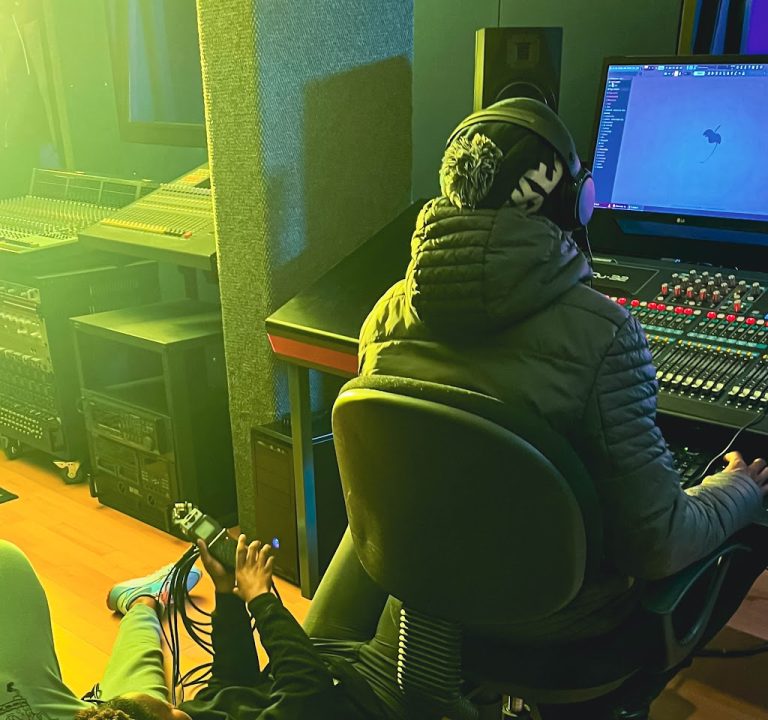
Distinctive learning resources contribute to the overall curriculum experience. State-of-the-art studios, industry-standard gear and access to experienced instructors with professional backgrounds provide students with authentic workflows and equipment familiarity. The academy’s industry connections enable networking, internships and potential job placements, which are integrated into the learning journey to enhance employability and professional readiness. Collaborative projects within a diverse cohort of instructors and peers further broaden perspectives, exposing learners to global insights within the media production landscape.
Beyond formal study, the curriculum is reinforced by comprehensive student support services. Academic guidance, career counselling and personal development assistance are highlighted as integral to the PASMA experience. Such support mechanisms aim to help learners navigate their studies, plan career paths and develop the soft skills required in dynamic media environments. The combination of mentorship, practical training and ongoing support contributes to a curriculum designed to equip graduates with both technical mastery and professional maturity.
For prospective students, the curriculum is positioned as a credible route into media careers, with a track record of preparing individuals for roles such as sound engineers, music producers, film and video professionals, radio hosts and digital content creators. By emphasising hands-on practice, accredited qualifications and strong industry links, PAS Media Academy presents a curriculum that aligns with both current market demands and long-term professional development goals.
Further information on specific courses and accreditation can be explored through the academy’s online portals and course pages, including sections dedicated to sound engineering, multimedia courses and online application details. Potential applicants are encouraged to review the available materials to understand how the curriculum aligns with personal career ambitions and scheduling needs.
For more about programmes and admissions, visit the PAS Media Academy pages at PAS Central.
Faculties and Branches
PAS Media Academy, located in Bloemfontein, forms a specialised centre for media education with a structured approach to three core faculties. The academy focuses on practical, industry-aligned training in audio production and sound engineering, film and video production, and radio and podcasting production. Each faculty offers programmes designed to equip learners with hands-on skills, professional knowledge, and the ability to adapt to evolving media technologies.
The faculties are supported by a contemporary campus environment that houses up-to-date studios and equipment, enabling students to work with industry-standard tools. The combination of experienced instructors and real-world projects underpins the academy’s emphasis on practical learning, ensuring that graduates are prepared for entry into the media production sector. Access to a network of industry connections further enhances opportunities for internships, live projects, and potential employment upon completion of studies.
Faculty of Audio Production & Sound Engineering – This faculty concentrates on sound capture, editing, mixing, and mastering across a range of settings, from studio sessions to live events. Programmes span foundations in sound operation through to advanced audio production and music production, including pathways such as the National N Diploma in Popular Music: Studio Work and related certificates. Delivery combines practical sessions, theoretical instruction, and industry-recognised qualifications to prepare graduates for roles such as sound operator, sound engineer, music producer, and audio technician.
Faculty of Film, Television & Video Production – Focused on storytelling, camera work, directing, editing, and post-production, this faculty offers Higher Certificate and related qualifications in film and television production. The curriculum emphasises hands-on practice, collaborative projects, and guidance from industry-experienced instructors, with accreditation supporting the recognised status of qualifications.
Faculty of Radio, Podcasting & Content Creation – This area covers radio production, podcasting, and related content creation disciplines. Programmes aim to develop on-air presenting skills, broadcasting techniques, and content strategies suitable for modern media platforms. The faculty aligns practical work with theory to nurture competencies in voice, presentation, and media production for radio and digital channels.
Administration and student services are aligned with the three faculties to ensure a cohesive student experience. Support offerings include academic guidance, career counselling, and personal development assistance, complemented by industry connections designed to broaden networking, internship opportunities, and potential job placements. Accredited courses feature national and sector-specific recognition, while self-accredited short courses provide flexible enrichment aligned with industry demands.
The Bloemfontein campus acts as the primary branch for PAS Media Academy in the region, with facilities dedicated to delivering the range of programmes described. Students benefit from a united institutional framework where faculties collaborate on projects, enabling cross-disciplinary learning occasions and exposure to diverse media disciplines. Information about enrolment and provable eligibility is accessible through the online application system, and prospective learners can initiate their journey via the academy’s official website.
For further reference, the academy’s programmes and branches emphasise practical experience, sector links, and a supportive learning environment. The Bloemfontein location anchors the regional presence while maintaining connections to national accrediting bodies and industry partners.
- Ancillary services: academic guidance, career counselling, personal development assistance
- Key accreditation bodies: QCTO for certain NATED qualifications; MICT SETA for film, TV, and radio qualifications
- Primary address: 74 West Burger Street, Bloemfontein Central 9301 (as the central hub for campus activities)
Website information provides access to course pages for Sound Engineering and Multimedia Courses, plus general programme outlines and submission portals for online applications and enrolment.
Registration Details
Registration at PAS Media Academy in Bloemfontein, Free State, South Africa, is presented as a practical pathway into the institution’s media production programmes. The academy emphasises hands‑on learning, industry connections and a flexible study mix designed to accommodate various schedules, including full‑time, part‑time and workshop formats. Prospective students should be prepared to engage with an application process that combines online submission, supporting documentation and a subsequent enrolment step to secure a place on a chosen course or programme.
Overview of the application process: the path begins with an online application. Applicants are guided to commence the process by selecting the Start Application Process option on the online page. There is also a downloadable application form available for completion off‑line and submission via mail or WhatsApp, subject to the institution’s procedures. After the online application is complete and the application fee is paid, additional documentation must be supplied to support the application.
- Step 1: Complete the Online Application Form or use the downloadable Application form and submit it via the provided channels.
- Step 2: Provide the required documents to accompany the application, which include a copy of Identification (ID) or Passport, a copy of the highest qualification earned, and, where applicable, sponsor documentation such as bank statements, sponsor’s ID and proof of residence for the sponsor.
- Step 3: Pay the application fee (R250, non‑refundable) to the bank account indicated by PASMA, prior to advancing the application.
- Step 4: Upon successful application, a proof of acceptance or registration letter containing the student number is issued, serving as a receipt for the registration fee. This letter may be used to support loan applications from financial institutions if required. Temporary seating is earned at registration, with full seating to be secured by completing the enrolment process online and submitting the signed enrolment forms with the necessary documentation and the enrolment fee.
Where to apply: the primary entry point is the PAS Media Academy online application page, which hosts the Start Application Process button. The page also provides access to the online application form and related resources. For convenience, the page can be accessed via the link below:
Eligibility and entry requirements: the information provided indicates general entry guidelines for different course levels. Short courses typically require at least Grade 10, while diplomas and certificates require Grade 12, though it may be acceptable if an applicant is currently in Grade 12. These criteria guide the initial selection of suitable programmes but are not presented as a rigid barrier or timetable in the source material.
Documents typically required (as stated):
- Copy of ID or Passport
- Copy of highest earned qualification
- Sponsor’s bank statement or pay slips
- Sponsor’s ID copy
- Proof of residence for the applicant’s sponsor
Registration and enrolment details: after provisional registration, a student receives a registration letter and student number, which serves as a receipt for the registration fee. To attain a full seat, the signed PASMA enrolment agreement forms with all requested documentation must be submitted, together with the enrolment fee payment. The stated closing date for enrolment fees is 90 days before the course commencement.
Support and contact channels: PAS Media Academy provides general assistance through its contact page. Information on visiting the campus, operating hours, and opening times is available for prospective applicants who wish to engage with staff in person. The campus address is listed as 74 West Burger Street, Bloemfontein Central 9301, with opening hours from Monday to Friday, 8:00 am to 4:30 pm. For direct assistance, readers may refer to the contact section of the website.
Additional information on the programme and accreditation can be found on the PASMA site, including links to course pages and the accreditation information page for those seeking context on recognised qualifications.
Website reference for further steps and information: PAS Media Academy, with specific application resources available at Application page.
Contact and campus details are available at the PASMA contact page, which provides the address and visiting hours for prospective applicants seeking in‑person guidance.
Sorry, no records were found. Please adjust your search criteria and try again.
Sorry, unable to load the Maps API.
Education and Educational Resources in Bloemfontein
Bloemfontein, the administrative capital of the Free State, hosts a diverse range of educational opportunities suited to learners of all ages and ambitions. The city functions as a regional hub where primary and secondary schooling, tertiary education, and specialised training centres converge to support families and communities. In broader terms, education in Bloemfontein emphasises both academic achievement and practical pathways, enabling learners to pursue university studies, vocational training, or life-long learning with relative ease within the surrounding region.
Types of institutions commonly found in Bloemfontein include primary and secondary schools that follow national curricula, along with private and specialised schools offering enhanced language programmes, science and technology streams, and arts tracks. Across the city, vocational and technical training centres provide hands-on curricula in fields such as information technology, engineering trades, hospitality, and health care support. Higher education in the area typically centres on a major public university and a number of colleges that deliver diploma and bachelor’s degree programmes, as well as short-certified courses designed for occupational advancement.
In terms of programme levels, learners can expect offerings across the spectrum: foundational courses for school-leavers; diploma and bachelor’s degree programmes for those seeking professional preparation; and postgraduate options for continued study or research. Short courses and continuing education opportunities are frequently available to adults returning to study or pursuing upskilling in areas such as digital literacy, financial management, or language development. The abundance of practical and theoretical disciplines allows for a balanced approach to learning, accommodating both academically inclined students and those prioritising vocational routes.
Learning support and student services in Bloemfontein commonly address a range of needs. Institutions typically provide access to academic tutoring, writing centres, and language support for learners who are navigating new syllabuses or returning to study after a break. Student welfare services commonly offer guidance on study skills, time management, and mental health resources, alongside access to disability services and accommodations where required. Careers guidance and information on progression opportunities are often available, helping learners map out admission routes, required documentation, and potential transfer options between programmes or institutions.
Facilities and resources in the city reflect a commitment to accessible learning. Libraries and study spaces are central to many campuses and school districts, offering quiet areas for independent study, research databases, and media resources. Science laboratories, computer laboratories, and practical learning spaces support hands-on education across STEM, health, and creative disciplines. Sports facilities, fitness centres, and outdoor recreation areas commonly accompany educational sites, promoting physical well-being and team-based activities. Student accommodation ranges from on-campus residences to partner housing or local hostels, providing options for scholars who relocate from other districts or regions.
Typical pathways for learners in Bloemfontein begin with successful admission and registration processes at an appropriate level. For school leavers, this often involves meeting matriculation standards or completing a recognised bridging programme, followed by applying to a suitable diploma, degree, or certificate pathway. For those pursuing vocational training or further education, admissions may be linked to prior qualifications, aptitude assessments, and available slots in selected programmes. Transitions between schools, colleges, and universities are generally supported by guidance offices and prospective-student information sessions, along with online portals that outline application requirements and important deadlines.
Overall, Bloemfontein provides a comprehensive framework of educational options, attuned to the needs of diverse learners. The city’s infrastructure supports a clear progression from early schooling through higher education and professional training, with resources designed to foster academic growth, practical competencies, and informed decision-making about future study and careers. For more general information about education policy and resource availability, readers may consult national education websites and regional portals that detail courses, eligibility, and progression pathways.
South Africa Department of Basic Education · Higher education accommodation resources