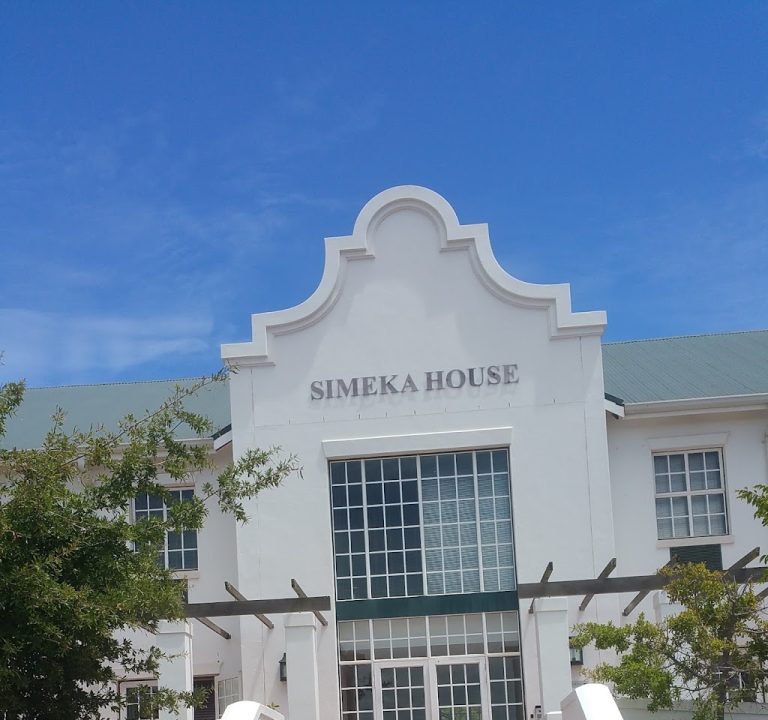
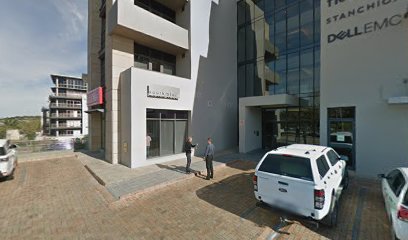
Mer Seta is a Education establishment in Cape Town, Western Cape, South Africa
Cape Town
Western Cape
7435
South Africa
Curriculum
merSETA’s Curriculum and Learning Programmes Development Unit (CLPU) is responsible for the design, development and implementation of Occupational Qualifications, Learning Programmes including Learnerships and Skills Programmes, Courseware, and piloting of other learning interventions aligned to the merSETA Sector Skills Plan. The unit emphasises the creation of structured learning pathways that integrate theoretical knowledge with practical, workplace-based components.
Programmes offered by the CLPU include primarily Learnerships and Apprenticeships. Learnerships are defined as learning programmes combining a structured learning component with a structured workplace experience, culminating in a qualification recognised by SAQA on the Occupational Qualifications Sub-Framework (OQSF). Apprenticeships are treated as Learnerships for a listed trade and may include a Trade Test as part of the assessment process. These qualifications are developed and registered with the appropriate national bodies, such as the QCTO and the Department of Higher Education and Training, in line with relevant Skills Development Act provisions.
The curriculum framework also encompasses the development of Courseware and related learning interventions intended to support skills development needs identified in merSETA’s Sector Skills Plan. This includes the management of and access to a Courseware Catalogue, as well as the merSETA Courseware Request Application Form, which facilitates the creation and deployment of learning materials and resources tailored to specific programmes and cohorts.
Curriculum planning at merSETA places emphasis on the integration of workplace experience with classroom learning, ensuring that learning programmes remain relevant to industry needs. The CLPU is involved in the termination and ongoing management of Learnership Agreements, reflecting a structured approach to both the learning journey and work-based components. Documentation and guidance related to learnerships, including work-based learning programmes and related agreements, are maintained to support providers and employers participating in these programmes.
The unit also outlines related governance and accreditation considerations, noting the roles of the QCTO in registering Learnerships and Trade Tests, and the responsibilities of merSETA in coordinating and overseeing programme delivery in line with national regulations. This framework supports a coherent pathway from learning to recognised qualifications, with attention to ensuring programme relevance, quality, and alignment with sectoral skills priorities.
In addition to formal qualifications, the curriculum framework accommodates professional development through short courses and skills programmes, designed to address targeted competencies and industry needs. While specific course lists and entry requirements are not delineated in this overview, the emphasis remains on building credible, standards-aligned learning experiences that can be adapted to meet employer and learner requirements within South Africa’s technical and vocational education landscape.
For stakeholders seeking access to curricular resources, merSETA provides links to the Courseware Catalogue and the Learnerships/Apprenticeships information sections. These materials support educators, employers and prospective learners by outlining the available learning programmes, the structure of learnerships, and the processes for engaging with courseware development and delivery. Further information can be obtained through the merSETA website’s dedicated Curriculum & Learning Programmes area.
- Key programme areas: Learnerships, Apprenticeships, Courseware development, and related learning interventions.
- Curriculum approach: integration of structured learning with workplace experience, alignment to sector needs, and governance through regulatory bodies.
- Learning resources: Courseware Catalogue and Courseware Request Application Form to facilitate material design and deployment.
Online or blended delivery options are not explicitly detailed in the available materials; however, the focus on courseware development and structured learning suggests the potential for diverse delivery modes aligned with practical industry needs. The overarching aim remains to increase access to high-quality skills development opportunities through well-designed curriculum and supporting resources.
Further information and updates regarding curriculum development, governance, and available learning programmes can be found through merSETA’s official website, including the Curriculum & Learning Programmes section and related links.
Faculties and Branches
merSETA, the Sector Education and Training Authority for metals and related sectors, presents its educational and professional development activities through a structured framework rather than conventional faculties. The primary organisational unit responsible for curriculum and learning programmes is the Curriculum and Learning Programmes Development Unit (CLPU). This unit operates as the hub for designing, developing, and implementing occupational qualifications, learning programmes, and courseware, with a focus on mediation between sector needs and the delivery of skills-based training across the organisation’s remit.
Within the CLPU, a formal approach governs how learning interventions are piloted and rolled out to support the merSETA Sector Skills Plan. This includes managing courseware request processes and maintaining a courseware catalogue that enables the organisation to offer a coherent pathway for learners pursuing recognised qualifications and specialised skills throughout their training journey. Learnerships and apprenticeships are highlighted as core programme types, reflecting merSETA’s alignment with South Africa’s qualification framework and the regulatory oversight of relevant sector education bodies. Where qualifications are registered and structured, Learnerships combine formal learning with workplace experience, while Apprenticeships focus on trades recognised under statutory frameworks and oversight bodies such as the QCTO.
The organisation describes its learning and development pathways in relation to the wider student services ecosystem by outlining how Learnerships and Apprenticeships fit into the qualification landscape. Learnerships are positioned as learning programmes linked to legacy qualifications and occupational standards, with the QCTO developing and registering such programmes in accordance with South Africa’s Skills Development Act and related regulations. Apprenticeships are similarly framed as a form of learnership specific to listed trades, often including a Trade Test component. This structure supports learners from initial exposure to formal qualification attainment, ensuring a clear progression route through the sector’s capacity-building activities.
In terms of physical presence and accessibility, merSETA maintains a head office configuration and regional offices designed to serve different geographic areas. While the exact campus or branch locations are not itemised in the available materials, the reference to head office-and-regional-offices underscores a networked model of access. This distribution enables learners and stakeholders to engage with merSETA’s services across multiple channels, including programme design oversight, grant processes, and project management linked to sector development. The website notes the practical requirement for visitors to present positive identification when visiting offices, indicating an in-person component to service delivery alongside online resources.
Engagement with programmes and student services is further supported by the CLPU’s responsibility for termination of certain learnership agreements, linking administrative oversight with learner progression and outcomes. This reflects a comprehensive governance approach where curriculum development, programme delivery, and learner support operate in a coordinated fashion across the merSETA network. For prospective learners and partner organisations, the available online materials provide pathways to learnership and apprenticeship information, as well as access to related documents and policy guidance that frame how training opportunities are allocated and managed.
Overall, the faculties and branches concept at merSETA centres on a specialised unitary structure for curriculum development and learning programme delivery, complemented by a geographically distributed presence through a head office and regional offices. The arrangement supports a clear linkage between programme design, sector-aligned qualifications, and learner services, ensuring consistency with the organisation’s objective to enhance access to high-quality skills development opportunities within the metals and related industries. Additional information and updates on specific campuses or regional offices can be found via the merSETA website.
Registration Details
MerSETA, based in Cape Town, Western Cape, South Africa, operates a structured process for organisations and learners to engage with skills development funding opportunities. The board outlines approval routes that commonly include mandatory grants and discretionary grants, with related information and announcements published on its official website.
Overview of the registration and application process is presented through the merSETA website, which acts as the primary source for applying or notifying the organisation of funding requests. The site provides access to the core application portals and supporting communiqués, enabling stakeholders to understand eligibility and submission requirements as they become available. Prospective applicants should consult the site for the latest guidance and deadlines prior to submission.
Where to apply and how to engage are detailed through linked pages on the merSETA site. The primary entry point for mandatory and discretionary applications is the organisation’s homepage, which hosts the application portals and announcements. Key references include:
In addition, merSETA periodically publishes funding notices and communiqués related to specific windows, extension requests, and grant criteria. These documents are hosted on the merSETA website as downloadable PDFs or web pages, and are intended to guide applicants through the submission process. Where a specific window or funding notice is available, the relevant link should be consulted for the scope, eligibility considerations and submission timelines.
For organisations seeking further guidance, the site provides access to additional funding-related materials and policy documents. Applicants are advised to review these materials to ensure alignment with merSETA’s funding framework and governance requirements before initiating a submission.
Contact and support channels, while not listing direct phone numbers or email addresses in this overview, are typically accessible via the merSETA website through the application portals and the “Contact” or “About us” sections. The site emphasises official channels and the need to follow the published processes for submitting applications and responding to any inquiries related to funding opportunities.
Overall, the merSETA Registration Details section emphasises consulting the official merSETA pages for current application windows, requirements and guidance, and using the linked application portals to initiate submissions. Stakeholders are encouraged to monitor the site for updates to ensure compliance with the latest funding opportunities and procedural changes.
Sorry, no records were found. Please adjust your search criteria and try again.
Sorry, unable to load the Maps API.
Education and Resources in Cape Town
Cape Town, situated in the Western Cape of South Africa, offers a diverse landscape of educational opportunities through a mix of schools, higher education institutions, and specialised training centres. The city supports learners at every stage with a range of programmes designed to fit different goals, interests, and learning styles. From foundational schooling to advanced study, the emphasis is on accessibility, progression, and practical preparation for the workforce or further study.
Schools in the area typically provide both state-funded and independent options. Primary and secondary education often emphasise core academic strands alongside programmes aimed at developing language, numeracy, science, humanities, arts, and physical education. In many communities, schools collaborate with local organisations to enhance learning through after-school activities, tutoring, and mentorship schemes. Learners may encounter programmes in natural sciences, technology, engineering, and maths prevalent across urban and suburban settings, supplemented by arts and culture education to nurture well-rounded development.
Higher education institutions in Cape Town encompass universities and university campuses that offer a broad spectrum of undergraduate and postgraduate degrees, professional qualifications, and research opportunities. General study tracks commonly include business, humanities, sciences, engineering, health sciences, and education, with pathways into postgraduate studies and research careers. In addition to degree programmes, mixed offerings such as diplomas, certificates, and professional development short courses exist to support career advancement, industry specialisations, and continuing education.
Further education and training (FET) providers, polytechnics, and private training centres contribute widely to the skills landscape. These organisations often focus on practical, occupation-based learning aimed at immediate employability. Programmes may cover areas such as information technology, hospitality, construction, tourism, finance, and creative industries. Short courses, modular programmes, and hands-on applied learning are common, with options to combine theory with work placements where available.
Learning support and student services form a core component of the educational ecosystem. Guidance on study skills, language assistance, and accessibility services helps learners overcome barriers and remain engaged. Libraries and information hubs provide access to books, journals, digital databases, and quiet study spaces, while laboratories and makerspaces offer hands-on experimentation and discovery in disciplines such as science, engineering, and technology. Career services, counselling, and welfare support are frequently available to assist with progression planning, mental health, accommodation, and budgeting for students and families navigating higher education pathways.
Facilities in Cape Town typically include well-equipped classrooms, science and computer laboratories, dedicated arts and performance spaces, and sports complexes. Sports and recreation facilities support a range of activities from team sports to fitness and outdoor pursuits, contributing to a holistic learning experience. Accommodation options may be available through on-campus residences or approved private arrangements, with considerations for safety, affordability, and proximity to campuses or learning hubs. Transport infrastructure and student-friendly services commonly facilitate convenient access to learning venues across the metropolitan area.
For families and prospective learners, typical pathways involve exploring admission requirements, course modules, and progression routes at chosen institutions. The process generally includes selecting suitable programmes, understanding intake periods, and preparing certificates or transcripts as part of an application. Many providers offer open days, virtual information sessions, and guidance through admissions offices to help families compare options, plan funding or financial aid where appropriate, and chart a clear route from initial enquiry to enrolment.
Ultimately, Cape Town presents a rich matrix of educational resources designed to support lifelong learning. The city’s institutions and partners work to build pathways that accommodate a range of academic interests, practical skills, and personal development, enabling learners to pursue studies that align with ambitions while building capacity for regional and national opportunities. More information on specific programmes and available services can be found through official educational portals and individual institution websites.
- Schooling options across the city include diverse public and independent institutions
- Higher education pathways span undergraduate degrees, diplomas, and postgraduate study
- Applied training centres offer practical skills in trades and professional disciplines
- Learning support and student services enhance access and success
- Libraries, laboratories, and recreational facilities support a well-rounded experience
- Guidance on admissions, registration, and progression helps learners navigate the system