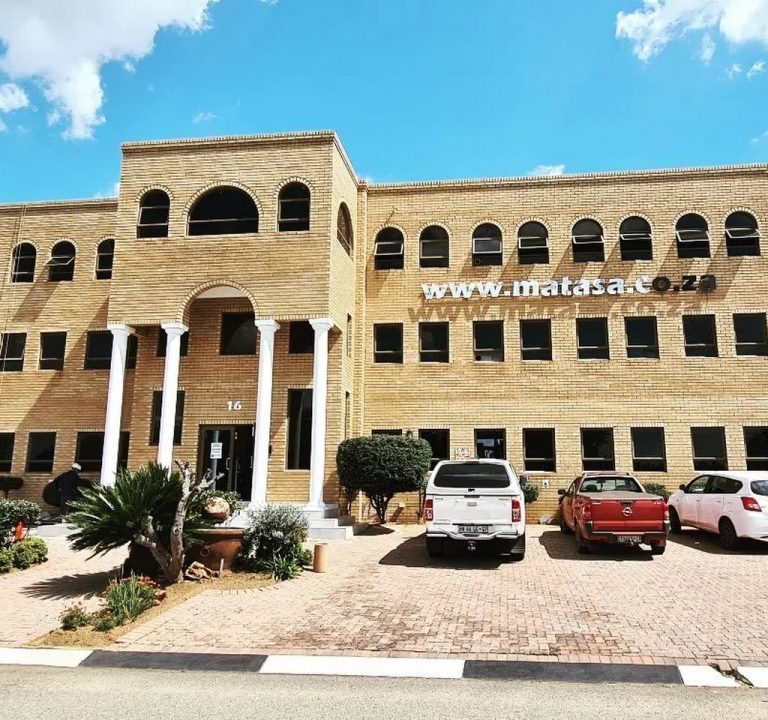
Mega Aero Training Academy (Pty) Ltd is a Aviation training institute establishment in Germiston, Gauteng, South Africa
Germiston
Gauteng
Rand Airport Rd
South Africa
Curriculum
Mea Aero Training Academy (Pty) Ltd, based in Germiston, Gauteng, South Africa, presents a structured and industry-aligned curriculum designed to prepare entrants for professional roles within aviation. The training offer spans a range of programmes and levels, with emphasis on hands-on competence, industry relevance, and pathways towards recognised qualifications in aviation maintenance and related fields.
Central to the curriculum is the emphasis on practical technical training for apprentice engineers. The academy highlights its international recognition and welcomes students from across Africa, Europe, and the Middle East, reflecting a globally oriented approach to skills development. The apprentice routes are positioned as foundational pathways, designed to build core competencies before progressing to advanced topics and certification examinations. Further information about these routes is accessible via the dedicated apprentice training page on the institution’s site.
Complementing the technical apprenticeship stream is the International Placement Programme, which partners with SR Technics to create a pathway for B1 EASA students in South Africa to undertake practical training and explore potential permanent employment with SR Technics Malta. This programme illustrates the institution’s focus on bridging local training with international opportunities, enabling graduates to gain exposure to global aviation maintenance practices and standards.
Within the broader curriculum, there is a dedicated Trade Test Centre. As an accredited centre, it supports aspiring aircraft maintenance engineers in revising for the National Trade Test Examination. The centre is highlighted for its high pass-rate, positioning it as a reliable resource for candidates seeking to validate their technical knowledge and earn recognised trade credentials. This component of the curriculum underscores the academy’s commitment to industry-standard assessment and successful outcomes for learners.
The academy also offers training aligned with EASA Part 66 requirements. The EASA B1/B2 pathway is presented as a structured route, with guidance and support designed to enable learners to pursue the Aircraft Maintenance Engineer Licence. The approach accommodates multiple study formats, including support for self-study and classroom-based routes, to facilitate progression towards the AMEL qualification. This emphasis on international aviation standards reflects the institution’s aim to equip students with credentials that are recognised across European and global aviation markets.
In recognition of the evolving aviation landscape, Advanced Technical Training is included within the curriculum. The programme notes that aviation is dynamic, with world trends continually influencing practice. As such, the academy maintains a broad catalogue of advanced technical courses, aligned with SACAA and EASA approvals, to keep learners abreast of contemporary developments and emerging technologies in aircraft maintenance and systems. This flexible portfolio supports ongoing professional development and the ability to respond to industry needs.
Cabin Crew Training is also part of the curriculum, addressing the specialised competencies required for airline service personnel. The course components encompass emergency procedures, emergency evacuation, aviation medicine, dangerous goods, firefighting, ditching, and security awareness. This section demonstrates the academy’s broader aviation education remit, extending beyond maintenance to include passenger-facing roles and safety-critical operations.
The curriculum is supported by online and blended learning options. A student e-learning portal provides access to resources and coursework, reinforcing the institution’s ability to deliver flexible learning experiences alongside traditional classroom instruction. The presence of an online learning platform signals a commitment to accessible study, allowing students to continue their development in a manner that suits their schedules and geographical constraints.
In terms of resources and student support, the academy promotes a comprehensive learning environment supported by state-of-the-art facilities and experienced instructors. While specific details of facilities are not itemised here, the emphasis on quality instruction and modern infrastructure is highlighted as a distinguishing feature. The institution also operates a student login and an e-learning portal, indicating active digital support channels and opportunities for ongoing assessment and feedback outside scheduled sessions.
In sum, the curriculum at Mega Aero Training Academy (Pty) Ltd encompasses technical apprentice pathways, international placement opportunities, trade examination preparation, EASA-aligned licensure routes, advanced technical training, and cabin crew education. The blend of practical, theory-driven, and online components demonstrates an integrated approach to aviation education, underscored by recognised credentials and opportunities for global employability. Potential students and employers can explore the range of programmes and pathway options through the academy’s website, which hosts additional details and direct links to specific training pages.
Faculties and Branches
Mega Aero Training Academy (Pty) Ltd, based in Germiston, Gauteng, South Africa, presents a structured suite of aviation education and training offerings designed to support diverse career pathways within the industry. While the website frames the organisation around targeted training programmes rather than clearly delineated faculties, the institution operates a cohesive learning ecosystem that groups related courses under practical, regulatory, and professional aviation tracks.
Key training streams highlighted on the site encompass technical and maintenance disciplines, international placement opportunities, examination preparation, advanced technical instruction, and cabin crew competencies. These streams function as interconnected pathways, guiding learners from foundational to advanced levels and enabling progression into professional roles within aviation maintenance, flight operations, and aviation services.
The training portfolio includes:
- Apprentice Technical Training, which combines foundational technical learning with practical application and seeks to position graduates for further opportunities in the field.
- International Placement Programme, developed in collaboration with SR Technics, offering a pathway for B1 EASA students in South Africa to gain practical experience and potential employment with SR Technics in Malta.
- Trade Test Centre activities, recognised as an accredited revision and examination hub for the National Trade Test, boasting a high pass rate and serving aspiring aircraft maintenance engineers (AMEs).
- EASA B1/B2 guidance and support, enabling learners to pursue the EASA Part 66 Aircraft Maintenance Engineer Licence through various study routes, including self-study and classroom-based options.
- Advanced Technical Training, reflecting ongoing adaptation to industry trends with a broad catalogue of SACAA- and EASA-approved courses.
- Cabin Crew Training, covering essential areas such as emergency procedures, evacuation, aviation medicine, dangerous goods, firefighting, ditching, and security awareness.
In terms of student services and delivery, the site emphasises a mix of facilities, experienced instructors, and industry-aligned curricula. Learners are positioned to access both in-depth technical education and pathways to international placement, with information on enrolment and programme options available through the organisation’s online resources. The presence of an online student login and e-learning portal indicates engagement with digital learning environments to support coursework, assessments, and progress tracking.
Although specific campus locations beyond Germiston are not detailed on the site, the organisation’s programmes are described as globally relevant and connected to international partners and recognised bodies. Prospective students and stakeholders can explore programme pages for more precise information on entry requirements, delivery modes, and assessment arrangements, all accessible via the official website.
Overall, the structure described on the site suggests a cohesive framework where technical training, international opportunities, and professional development cohere into a unified offering. The emphasis on accreditation, partnerships, and practical outcomes aligns with a comprehensive educational environment designed to equip aviation professionals with demonstrable skills and routes to employment.
For further details on individual courses and partnerships, visitors may consult the linked programme pages on the official website: Apprentice Technical Training, International Placement Programme, Trade Test Centre, EASA B1/B2, Advanced Technical Training, and Cabin Crew Training.
Registration Details
Mega Aero Training Academy (Pty) Ltd, located in Germiston, Gauteng, South Africa, provides a range of aviation training programmes designed to prepare aspirants for professional roles within the aviation industry. The information available presents an overview of programmes and routes rather than a single, uniform application process. Prospective students are encouraged to explore the specific training pages linked below to understand the entry points and progression options that best fit their career goals.
Application and registration generally align with the individual training streams offered by the academy. Several dedicated programme pages outline the nature of the training, intended outcomes and recognised credentials. Potential applicants should review these pages to identify the most suitable pathway. Available programmes cover technical apprentice training, advanced technical courses, cabin crew training and examinations guidance, among others. Each programme page serves as a gateway to further steps and supports those seeking to pursue studies in aviation maintenance, cabin operations or related disciplines.
Where to apply: the academy maintains a selection of programme pages which function as primary entry points for prospective students. Relevant links include the Apprentice Technical Training page, the Trade Test Centre information, and the EASA Examinations guidance. These pages provide insights into the scope of study, assessment pathways and the options for practical training and examinations. See the following links for more details and potential application routes:
- Apprentice Technical Training: Apprentice Technical Training
- Trade Test Centre: Trade Test Centre
- EASA B1/B2 Examinations: EASA Examinations
- Advanced Technical Training: Advanced Technical Training
- Cabin Crew Training: Cabin Crew Training
Additional navigation links, such as a student portal, are available to enrolled or prospective students:
- Student Login: Student Login
Eligibility and entry requirements are not itemised in detail within the publicly accessible content. As such, the information provided notes the existence of various training routes and the possibility of pursuing different study tracks, but specific criteria, deadlines or required documents are not stated. Interested applicants should consult the programme pages and the academy’s general contact resources for clarification on eligibility and registration timelines.
Documents typically required for aviation training programmes, when specified elsewhere by the provider, include standard items such as identification, academic certificates and any programme-specific prerequisites. However, since the publicly available material does not enumerate these requirements, it is recommended to review the individual course pages or to inquire directly through the listed contact channels for definitive guidance on documentation.
Contact and support channels are available for prospective students seeking assistance with registration. The site provides general “Contact us” information and an option to engage via chat, including WhatsApp communications. These channels offer opportunities to obtain up-to-date information about registration steps, application deadlines (where applicable) and programme availability.
For those who wish to initiate an enquiry or obtain immediate guidance, the site offers chat options and a contact pathway. Access to live support can be found through the website’s contact features and the available programme pages, which often link to specific administrative or admissions contacts. This approach ensures that prospective applicants receive current, programme-specific registration information directly from the academy’s resources.
Sorry, no records were found. Please adjust your search criteria and try again.
Sorry, unable to load the Maps API.
Education and Resources in Germiston, Gauteng
Germiston, situated in the Gauteng province, offers a diverse range of educational opportunities for learners and families. The area is supported by a network of primary and secondary schools, alongside specialised colleges and training centres that reflect South Africa’s broader commitment to accessible lifelong learning. In addition to local institutions, the surrounding metropolitan area provides access to universities and further education options within a practical commuting radius, consistent with the region’s transport links and urban layout.
At the school level, learners commonly encounter a mix of public primary and secondary schools, with private options available in nearby suburbs. These institutions typically provide core academic curricula aligned with national standards, supplemented by programmes aimed at building literacy, numeracy, and foundational science and languages. In many cases, schools collaborate with district resources to support learners who require additional help, including diagnostic assessments, after-school tutoring, and dedicated support staff. The emphasis in Germiston tends to be on broad-based development alongside preparation for national examinations and tertiary study or vocational pathways.
Further education and training are well represented through local and regional providers specialising in technical and vocational education. These colleges and training centres commonly offer certificate, diploma, and higher certificate programmes across fields such as engineering technologies, information technology, business studies, hospitality, health sciences, and creative disciplines. Programmes are designed to be industry-relevant, often incorporating practical modules, work placements, and industry partnerships to enhance employability after graduation.
Higher education pathways in Germiston typically involve access to universities and university-type institutions within easy reach of the area. Students may pursue undergraduate degrees, diplomas, or postgraduate studies at institutions located in and around Johannesburg and Gauteng. Admissions processes generally consider academic results, recognition of prior learning, and available spaces, with guidance services often in place to help prospective students understand options, timelines, and required documentation. For many learners, the route from school to higher education includes bridging programmes, foundation courses, or articulation agreements designed to facilitate progression.
Learning support and student services form an integral part of the educational landscape. Many schools and post-secondary providers offer resources such as language support, counselling services, study skills workshops, and special educational needs provisions where appropriate. Centres may provide access to computer labs, assistive technology, and inclusive learning environments that accommodate diverse student profiles. Academic advising, career guidance, and information about funding or bursaries are common features that assist families in navigating choices and planning financial timelines.
Facilities and resources commonly found in Germiston and nearby institutions include well-equipped libraries containing print and digital resources, science and computer laboratories, and dedicated study spaces. Sports facilities and recreational areas are frequently available, supporting balanced development through physical education and community clubs. Accommodation options, such as student hostels or nearby residences, may be accessible for those relocating for study, subject to institution-specific arrangements and spaces.
Typical pathways begin with registration or enrolment for the new academic year, followed by orientation programmes that outline academic expectations, timetables, and available student services. Families and learners are usually advised to consult school or institution websites, attend open days where possible, and seek guidance from education departments for up-to-date information on admissions processes, deadlines, and required documentation. The broader Gauteng education framework emphasises inclusive access, practical skills development, and clear progression routes from early schooling through to higher education and training.
- Common programmes and levels: primary and secondary schooling, certificates and diplomas in applied disciplines, degrees at universities within the region, and vocational training.
- Learning support: diagnostic assessments, after-school tutoring, language and literacy assistance, counselling and academic advising.
- Facilities: libraries, laboratories, computer suites, sports facilities, student accommodation, and study spaces.
- Pathways: registration and orientation, alignment with national curricula, bridging and foundation courses, and guidance on admissions and progression.
For further information on national education policy and higher education opportunities, visitors may consult official online resources from the Department of Basic Education and the Department of Higher Education and Training, as well as Gauteng provincial education portals.
Website links: Department of Basic Education, Department of Higher Education and Training, Gauteng Department of Education.