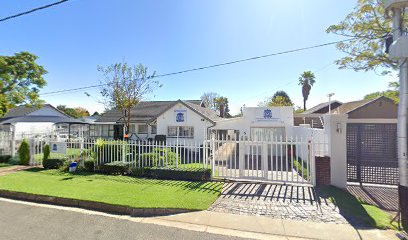
Mathesis College is a Education centers establishment in Johannesburg South, Gauteng, South Africa
Johannesburg South
Gauteng
2091
South Africa
Curriculum
Mathesis College in Johannesburg South, Gauteng, positions its curriculum around a structured progression from Grade 8 through to Grade 12, supporting learners as they transition from foundation years to final examinations. The school emphasises a comprehensive approach to secondary education, blending core academic instruction with opportunities for enrichment and personal development. The framework is designed to help students develop critical thinking, intellectual curiosity, and resilient study habits that endure beyond school life.
Central to the curriculum is alignment with national standards. The teaching programme is fully CAPS aligned, ensuring that classroom learning, assessment policies, and examinations reflect the official Curricula and Assessment Policy Statement guidelines. This alignment aims to provide clarity and consistency for learners as they prepare for the matric year and subsequent tertiary study or other pathways. The emphasis on a recognised syllabus supports learners in achieving well-structured knowledge and skills across subjects commonly examined in South Africa’s senior phase.
All teachers at Mathesis College are described as SACE registered, which signals adherence to a robust professional code and ongoing professional development. The presence of qualified educators is presented as a cornerstone of the learner experience, with a focus on professional delivery, accountability, and the maintenance of high teaching standards. This credentialing is positioned as a guarantee that learners are guided by credible classroom practice and informed subject expertise.
The school highlights a learning environment described as safe, inclusive, and supportive. Policies and a culture of care are intended to enable learners to participate fully in lessons, access resources effectively, and approach assessments with confidence. This supportive atmosphere complements the rigorous academic programme, aiming to nurture well-being alongside academic attainment.
Small class sizes are emphasised as a key feature of Mathesis College’s curriculum delivery. By enabling more personalised attention and meaningful teacher–learner interaction, the school seeks to tailor support to individual needs, accelerate understanding, and track progress more precisely. The smaller cohort approach is presented as a practical mechanism for balancing challenge with achievable advancement across subjects.
In addition to regular teaching blocks, the college offers extra lessons, which are positioned as supplementary support to reinforce learning and assist learners in mastering challenging topics. These sessions are part of the broader commitment to academic performance and learner success, ensuring that students have access to additional guidance as required during the school year. Further information about these provisions is accessible via the college’s information pages on courses and policies.
Curriculum resources and delivery methods are connected to the institution’s broader educational philosophy, which includes a focus on world-class learning facilities and an emphasis on research-informed practice. The curriculum is framed to foster intellectual growth, independent thinking, and a proactive approach to education, preparing learners for both examinations and future study beyond school years. While the core structure is guided by CAPS and national standards, the college also highlights a commitment to excellence and innovation within the teaching and learning environment.
For families seeking additional context, the college provides information on its policies and updates that relate to curriculum delivery, assessment practices, and student support services. While specific course lists, durations, or fees are not detailed here, the emphasis remains on a coherent, standards-aligned, and supportive curriculum designed to help students achieve a successful matriculation and transition to higher education or career pathways. Online or blended learning options are not explicitly stated in the available materials, but the emphasis on structured, supported learning indicates a model that prioritises consistency and accessibility within the CAPS framework.
For more details about the current courses, supplementary lessons, and policy information, readers can explore the Maths, Science, and Arts-related offerings through the college’s main pages and course listings at Mathesis College – Courses and through the general information sections on About Us and Policies.
- Programme levels: Grade 8 to Grade 12 intake, with transition from foundational years to final examinations.
- Areas of study: Curriculum is CAPS-aligned; teaching spans core subjects aligned with national standards.
- Curriculum approach: CAPS-aligned framework, qualified SACE-registered teachers, and a focus on critical thinking and lifelong learning.
- Additional provision: Extra lessons to reinforce learning and support academic achievement.
- Learning environment: Safe, inclusive, supportive setting with small class sizes to enhance personalised attention.
- Resources and features: Emphasis on world-class facilities, academic integrity, and innovative teaching practices.
Overall, the Curriculum section presents Mathesis College as a school dedicated to delivering a recognised, standards-based education within a nurturing environment, with structured support designed to maximise learner outcomes during the pivotal high school years.
Faculties and Branches
Mathesis College, located in Johannesburg South, Gauteng, operates as an institution focused on a Grade 8 to 12 intake with a commitment to high-quality teaching and learning. The available online materials emphasise a cohesive educational framework rather than a wide array of separate faculties. The structure is described in terms of academic programmes, staff qualifications, and learner support, aligning with national education standards and outcomes.
In terms of academic staff, the college highlights that all teachers are fully registered with the South African Council for Educators (SACE). This reinforces a professional framework whereby educators adhere to a strict code of ethics, engage in ongoing professional development, and maintain accountability for student learning outcomes. The emphasis on SACE registration situates the college within a respected, nationwide register of qualified practitioners, contributing to consistency and reliability in the delivery of its curricula.
The curriculum is presented as CAPS-aligned, ensuring that teaching, learning, and assessments meet national requirements. This alignment provides learners with a structured, recognised syllabus designed to prepare them for examinations and future academic pathways. While specific subject faculties or departments are not detailed in the available information, the CAPS framework supports a comprehensive range of subjects typically found in the senior school phase, with planning and assessment mechanisms that reflect standardised national expectations.
Student well-being and a supportive learning environment are emphasised as core commitments. The college outlines a safe and inclusive atmosphere that prioritises learner welfare, clear policies, positive discipline, and a culture of care. Such provisions are intended to enable students to engage confidently with their studies and to reach their full potential within the school community.
Small class sizes are highlighted as a feature of the learning experience. This element is positioned as enabling personalised attention, meaningful teacher–student interaction, and tailored academic support. A more intimate classroom setting is described as a vehicle for active engagement and accelerated attainment, with the aim of maximising each learner’s understanding and progress.
Beyond the core curriculum, Mathesis College offers additional learning opportunities described as “Extra Lessons,” with further details available through the college’s courses page. The presence of extra instructional provision suggests a layered approach to student support, enabling reinforcement of concepts and targeted assistance where needed.
Information about specific faculties, schools, departments, or branch locations beyond the general Johannesburg South base is not explicitly provided in the available materials. However, the site references policies, about us, and updates sections that may contain further contextual information about academic structure, governance, and student services. Interested readers can explore these resources or visit the main site for ongoing updates and course-related activity at Mathesis College.
Overall, the «Faculties and Branches» description for Mathesis College presents a high-level organisational framework centred on qualified teaching staff, CAPS-aligned programmes, a safe learning environment, small class sizes, and supplementary lessons, all aimed at supporting academic achievement and learner wellbeing within the South African schooling system.
Registration Details
Mathesis College in Johannesburg South, Gauteng, invites prospective learners to consider registration for Grade 8 through to Grade 12. The college emphasises a CAPS-aligned curriculum delivered by SACE-registered teachers within a safe and supportive learning environment. Registration details are presented here from an informational, external observer’s perspective, drawing on content available on the college’s official website.
The institution positions itself as offering world-class facilities, a strong emphasis on academic integrity, and a focus on developing critical thinking and lifelong learning. Parents and guardians seeking to begin the enrolment process should review the college’s public information channels for guidance and reach out through the available communication options when needed. The site highlights a commitment to small class sizes, which can be an important consideration for families evaluating suitability and capacity to provide individualised attention.
Registration process overview (as reflected in available site content, without assuming unlisted deadlines or forms):
- Confirm that the prospective learner’s grade level aligns with the school’s intake—Grade 8 to Grade 12—represented on the college’s homepage and related pages.
- Consult the Maths College’s online materials for information about the curriculum framework (CAPS-aligned) and the credentials of teaching staff (SACE-registered).
- Engage with the college’s public channels to obtain further enrolment guidance. The site provides a contact and support mechanism through interactive chat facilities, which can facilitate initial inquiries and clarifications.
- Access additional information through the site’s linked sections to understand admissions policies, as these pages offer context on the institution’s ethos, learning environment, and academic expectations.
Where to apply and how to make initial contact:
- Official website: Mathesis College
- Online chat for quick assistance: the site provides a “Chat with us” option to initiate a conversation, including a WhatsApp link for rapid support.
Eligibility and entry requirements:
The available public content specifies that the college serves Grade 8 to Grade 12 and emphasises a CAPS-aligned syllabus with qualified teachers. There are no explicit, itemised entry deadlines, fee requirements, or standardised forms listed on the accessible pages. In the absence of detailed entry criteria within this material, prospective applicants are advised to contact the college directly for definitive guidance on eligibility and process timelines.
Documents typically required (as implied by standard school practice, without creating new obligations):
Because specific document lists are not provided in the current content, applicants should obtain a complete checklist from the college during the initial enquiry stage. Common items for school enrolment often include prior academic records and identification documents, but any exact requirements should be confirmed with the college through its official channels.
Support channels and further assistance:
For immediate questions, the college offers chat-based support on its website. Prospective families are encouraged to use this feature to request information about registration timelines, admission criteria, and available intake slots. The site’s homepage and navigation include access to additional information sections such as policies, courses, and about us, which may provide supplementary context for applicants.
Note: All references are based on publicly available content from Mathesis College’s official site. Interested parties should consult the site directly for the most accurate and up-to-date information on registration and admissions.
Sorry, no records were found. Please adjust your search criteria and try again.
Sorry, unable to load the Maps API.
Education and educational resources in Johannesburg South
Johannesburg South, a vibrant district in Gauteng, offers a diverse range of educational pathways suitable for learners at different stages. The area typically hosts a mix of public and private schools, further education colleges, and access to universities and training centres located both within and nearby. This breadth supports families seeking both traditional schooling and alternative routes to skill development.
Primary and secondary education forms a core part of the landscape, with government-supported schools alongside independent institutions. Across these establishments, standard curricula aim to build foundational literacy, numeracy, and essential subjects, while also providing opportunities for enrichment through arts, sciences, and physical education. In line with the South African education system, learners progress through grade levels, culminating in examinations that inform subsequent choices about post-school routes. Support for learners exhibiting specialised needs is commonly available through inclusive education programmes, dedicated counsellors, and referral to additional services where appropriate.
Further education and training are well represented through local colleges and vocational centres that offer a variety of programmes. Learners can typically access a range of national diplomas, certificates, and practical short courses designed to equip learners with industry-standard skills. Apprenticeships and work-integrated learning opportunities are often emphasised, sometimes in partnership with local businesses and industries. These pathways provide a bridge between classroom learning and real-world application, fostering employability and practical competence.
Universities and higher education facilities in the broader area provide options for undergraduate and postgraduate study, often complemented by outreach campuses and flexible learning options. Prospective students may encounter pathways such as bachelor’s degrees, diplomas, and professional qualifications, with support services focused on admissions guidance, financial planning, and academic transition. For many learners, distance learning and online resources extend access to university-level study, enabling study alongside work or other commitments.
Learning support and student services are commonly available to help navigate academic life. Central services often include academic tutoring, study skills workshops, career guidance, and mental health and wellbeing support. In addition, schools and colleges frequently provide language support, assistive technologies, and disability services to promote inclusive participation. Guidance on bursaries, scholarships, and financial aid is typically accessible through institutional portals and regional education offices, helping families plan for tuition, materials, and living costs where applicable.
Facilities and resources generally enhance the learning experience. Libraries, computer laboratories, science laboratories, and specialised workshops are standard components of many institutions. Sports and recreation facilities, arts spaces, and student common rooms contribute to a balanced educational environment. Accommodation options may be available in university residences or nearby lodging for students preparing to study away from home, depending on the specific institution and programme.
Typical pathways include selecting an appropriate programme based on age and prior qualifications, followed by registration or enrolment at the chosen institution. Admissions processes commonly involve presenting educational records, meeting age or language requirements, and meeting any programme-specific prerequisites. After intake, students access support services, plan their timetables, and engage with careers guidance and progression routes to further studies or the workforce. Information is generally available through official education portals and institution websites, which provide detailed guidance on application timelines, required documents, and student services.
For those seeking official information on national education frameworks and higher education opportunities, relevant resources can be found through government education portals and university networks. These sources offer overviews of qualifications, progression routes, and regional education planning to assist families in making informed decisions about learning in Johannesburg South.
Website links to official information and individual institutions can provide practical details on programmes, entry processes, and support services tailored to learners in the area.