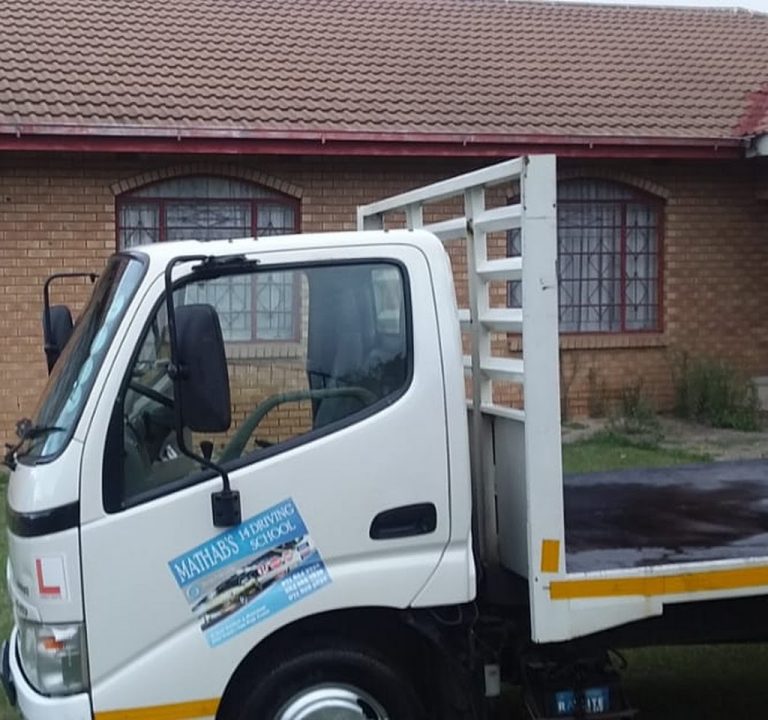
Mathab’s 14 Driving School is a Driving schools establishment in Newcastle, KwaZulu-Natal, South Africa
Newcastle
KwaZulu-Natal
Madadeni, Newcastle
South Africa
Sorry, no records were found. Please adjust your search criteria and try again.
Sorry, unable to load the Maps API.
Education in Newcastle, KwaZulu-Natal: Resources and Pathways
Newcastle, situated in KwaZulu-Natal, offers a diverse range of educational opportunities designed to support learners at different stages of development. The town provides access to a spread of institutions that cater to primary and secondary education, further education and training, higher education, and targeted skills development. The environment emphasises practical learning, community involvement, and the ability to progress through clearly defined educational pathways.
Primary and secondary schools form the backbone of local schooling, often presenting a mix of academic streams and specialised programmes such as mathematics and science support, language development, and arts subjects. School communities frequently collaborate with district offices to implement learner support programmes aimed at improving literacy, numeracy, and overall attainment. In many instances, schools extend learning beyond standard hours through after-school clubs, preparatory sessions for examinations, and inclusive education strategies designed to assist learners with additional support needs.
Further education and training (FET) colleges and private training centres are common in and around Newcastle. These institutions typically offer a range of courses aligned with vocational and technical interests, including business administration, information technology, engineering studies, hospitality, and healthcare support. Many programmes are designed to be accessible to school leavers and return-to-work learners, with flexible study options such as full-time, part-time, and modular formats. Practical components, including workshops and workplace simulations, are standard features to help learners transition to real-world environments.
Higher education opportunities in the region, while concentrated in larger cities, are supported by collaborations with universities and distance-learning providers. Prospective students often engage with administrative offices to explore undergraduate degrees, diplomas, and postgraduate routes. The availability of articulation pathways enables progression from college-level qualifications to more advanced studies, subject to meeting programme requirements. Information on admission criteria, credit transfer, and progression usually appears through official portals and guidance services rather than institutional self-promotion.
Learning support and student services are notable aspects of the educational landscape. Services commonly include academic tutoring, study skills workshops, career guidance, counselling, and inclusivity support. Libraries and resource centres provide access to textbooks, journals, and digital databases, with quiet study areas and group learning spaces. IT facilities, computer laboratories, and wireless connectivity are typically available to support research, assignments, and virtual learning environments. Language support, disability services, and enabling environments are emphasised to ensure accessible education for diverse learner cohorts.
Facilities in Newcastle often extend to sports and recreation, with multi-purpose halls, courts, stadiums, and outdoor environments that support physical education and team-based activities. Student housing is present in some institutions or within commuting distance, offering accommodation options that may range from campus residences to personalised private options. Safe transport and secure campuses are commonly highlighted in planning documents and student services materials, helping learners balance commute with study commitments.
Typical pathways begin with informed choices during the late secondary years, aided by guidance counsellors and school career resources. Registration processes for colleges or universities usually involve submitting application forms, providing proof of prior qualifications, and selecting intended programmes. Once enrolled, learners can expect access to orientation sessions, academic calendars, continuous assessment, and opportunities to engage with tutors, mentors, and peer networks that support progression and skill development.
Overall, Newcastle provides a characteristic blend of schooling, technical training, and higher education pathways supported by practical facilities and services designed to aid learners and families in planning successful academic journeys within KwaZulu-Natal and the wider South African context.