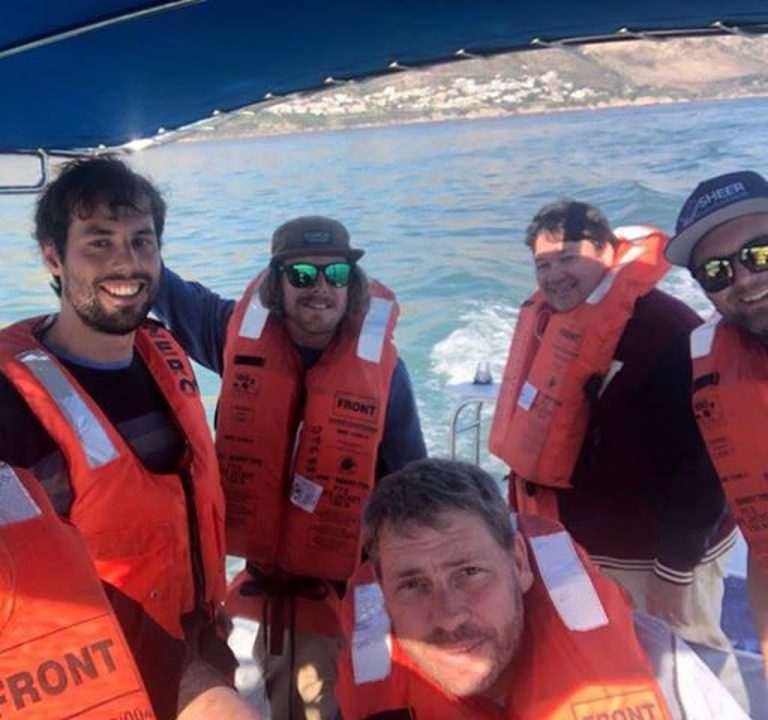

Mandrie Maritime Services is a Boating instructor establishment in Cape Town, Western Cape, South Africa
Cape Town
Western Cape
7150
South Africa
Curriculum
Mandrie Maritime Services in Cape Town offers a practically oriented skipper training programme designed to equip candidates with the necessary knowledge and hands‑on skills to obtain a SAMSA skipper’s licence. The course framework is delivered in a manner that aligns with international recognition and lifelong validity, ensuring graduates can operate vessels with confidence across a range of conditions. The curriculum is structured to cater for skippers handling boats under and over nine metres, with all tickets formally approved by SAMSA.
The programme emphasises a balanced blend of theoretical understanding and practical competency. Core content across the course covers essential legal requirements, seamanship, vessel systems such as motors, and safety and emergency procedures. Navigation and chart work are central elements, along with an introduction to the rules of the road, distress signals, and weather patterns relevant to coastal and inland waters. A key focus is placed on critical decision‑making when buying a boat and preparing for real‑world operations, ensuring skippers are well‑prepared to assume responsibility on the water from day one.
The course is delivered over two days, with a structured daily timetable that incorporates administration, lectures, and assessments. Day one typically begins with administrative preparations and a sequence of lectures that cover the aforementioned topics, followed by practical workshops and situational discussions. Depending on the category chosen, training culminates in appropriate examinations and practical assessments. Day two is dedicated to the theoretical test and the continuation of the practical component, with supervision to bring candidates to a satisfactory level of boat handling. The programme is designed to be flexible in scheduling, recognising that some sessions may fall on weekends or holidays to accommodate learners’ availability.
Areas of study are segmented to align with the course categories, which include levels such as 1 nautical mile (E), 5–15 nautical miles (C), 15–40 nautical miles (B), and Restricted Tidal Waters (R) such as lagoons, estuaries, harbours, and inland waters. There is also a particular pathway for the B Night Rating, which corresponds to coastal operations requiring additional night‑flying or night‑navigation considerations. This structured approach allows prospective skippers to select the appropriate level for their operational needs, while ensuring core competencies are universally addressed across all categories.
In addition to standard day‑to‑day training, the curriculum emphasises the practical application of theory through guided on‑water sessions and supervised boat handling. The inclusion of a practical component ensures that learners receive direct feedback on seamanship, vessel handling, and safety procedures, with the aim of achieving a satisfactory standard of performance before certification. This emphasis on real‑world competencies is reinforced by the availability of individual arrangements for tailored courses on mutually convenient dates, subject to instructor availability and venue logistics.
Support services and resources associated with the curriculum are designed to facilitate successful completion and ongoing professional development. Learners receive comprehensive course materials as part of the programme fee, which also covers the theoretical examination preparation, the administrative and registration processes, and the standardised assessment components required for SAMSA certification. Where additional equipment or materials are needed for specific categories, arrangements are communicated clearly to candidates in advance to minimise disruption and ensure a smooth learning experience.
Distinctive elements of the curriculum include the integration of legal and safety considerations with practical navigation and boat handling skills, delivered under the guidance of experienced instructors with SAMSA‑authorised accreditation. The programme also includes clear pathways for upgrade between categories (for example, from C to B or R to E), enabling learners to progressively extend their qualifications as experience and operational needs grow. While the core content focuses on practical competence, the curriculum recognises the broader professional context by incorporating environmental awareness, risk management, and adherence to marine regulations as foundational pillars.
For prospective learners seeking further information, Mandrie Maritime Services provides online access to booking and enquiry facilities, along with references to related courses such as radio operator training where applicable. The institution maintains a commitment to delivering high‑quality, industry‑aligned skipper training that prepares graduates for responsible and capable operation within South Africa’s maritime environment.
Faculties and Branches
Mandrie Maritime Services collaborates with Magson Marine to deliver practical maritime training programmes in Cape Town, Western Cape. The principal offering highlighted within the site is a Skipper’s Course that is geared towards enabling candidates to obtain a SAMSA skipper’s licence. The course is designed to be practical and engaging, with a focus on hands‑on boat handling alongside essential theoretical knowledge.
The structure of the Skipper’s Course is categorised by sailing distance and operating conditions, with categories B, C, E and R (Restricted Tidal Waters) reflecting the different scope of training. Each category corresponds to specific competencies required for skipper certification, and there are additional credentials such as the B Night Rating for coastal skipper recognition. The programme is presented as a two‑day format, combining lectures, navigational training and a practical component, followed by a theoretical test and course evaluation.
Within the described framework, the course is delivered as a collaboration under the supervision of qualified lecturers and SAMSA authorised agents. The organiser and lecturer listed is Pieter Welgemoed, with an examiner also identified, indicating a structured assessment process aligned with SAMSA standards. The venue for the training is Captain’s Corner at Magson Marine (Strand), illustrating a fixed institutional location used for the delivery of the programme.
Participation details, including scheduling, individual courses, and the possibility of arranging customised sessions, are outlined through an online booking process. Prospective students can submit an enquiry or booking form to secure a place on the next 2‑day course or to learn about forthcoming sessions. The information provided suggests a client‑facing service that integrates administration, registration, instructional time, and meals within a single course package.
Fees and inclusions are clearly itemised, with pricing for the various course categories and an explicit deposit requirement. The stated package covers course materials, lectures, meals, the theoretical test, SADSAA fees, and the practical component, while noting a potential extra charge if a boat needs to be supplied. The entire offering is presented as a turnkey solution suitable for prospective skippers seeking SAMSA recognition, with the licence described as internationally recognised and valid for life.
Although explicit departmental names beyond the Skipper’s Course are not enumerated, the structure implies distinct functional elements: programme design and content (Course Categories and Content & Programme), delivery and assessment (Lectures, Theoretical Test, Practical Component), administration and enrolment (Booking/Enquiries, Deposits), and external accreditation and exemplars (SAMSA Authorised Agent, SADSAA fees). The arrangement demonstrates how these components relate to student services and programme outcomes, culminating in a formal certification pathway for maritime skippers.
For further information or to explore upcoming sessions, visitors may follow the provided links to the Magson Marine site, including the booking form and the page detailing the skippers course, as well as direct access to the venue and contact resources via the site’s navigation.
Registration Details
Mandrie Maritime Services is represented here as part of a directory entry focused on navigational and training offerings in the Western Cape. The information below summarises the registration pathway for the Skipper’s Course coordinated by Magson Marine, with the aim of enabling prospective applicants to understand how to secure a place and what to expect from the process.
The Skipper’s Course is designed to prepare participants to achieve a SAMSA skipper’s licence. The course is presented as practical and theory-based training, with examinations and a practical component conducted under supervision. The programme is suitable for boats under and over 9 metres in length, and all tickets are SAMSA approved and recognised internationally. Registration relates to upcoming two-day courses and potential individual arrangements when mutually convenient.
Registration overview
- Interested individuals complete the online form to book a place on the next available two‑day course or to inquire about future sessions.
- The organiser provides a deposit option to secure a place. The stated deposit amount is R500.
- The course price varies by course category, with listed rates for 15–40 NM, 5–15 NM, 1 NM, and Harbours & Inland categories. Prices are inclusive of course material, lectures, meal, theoretical test, SADSAA fees, and the practical component. An additional fee of up to R150 may apply if boat provision and skipper are required.
- Course materials and structured content cover legal requirements, seamanship, navigation, weather, safety, first aid, and examination components, with a practical handling segment conducted after the theoretical assessment.
Where to apply
Applications are submitted via the online booking form linked to the Skipper’s Course page. For convenience, prospective applicants should use the main course page to access the booking form and related information. The page also provides direct access to additional details and contact points.
Primary online access point: Skipper’s Course – Booking Form
Contact and support
Direct inquiries are encouraged through the page’s contact option. The arrangement is led by Pieter Welgemoed, who acts as organiser and lecturer, with the examiner listed as Wean Welgemoed. Access to contact details and further directions is provided on the course page, including a link to the venue and navigation to Magson Marine’s contact information.
Further contact reference: Direct contact with Pieter Welgemoed
Venue
The stated venue is Captain’s Corner, Magson Marine (Strand). A directions page is available to assist attendees with arrival and logistical details: Magson Marine – Directions.
Course pricing and inclusions
The published prices reflect different category options and inclusive elements. Examples include:
- 15–40 NM: R3,600
- 5–15 NM: R3,600
- 1 NM and Harbours & Inland: R3,250
- Upgrade (C to B / R to E): R2,850
A deposit of R500 is required to secure a booking, with the overall course price covering course materials, lectures, meals, theoretical testing, SADSAA fees, and the practical component. A potential additional fee of R150 may apply if provision of a boat and skipper is necessary.
For more information on radio operator licensing and related courses, separate links are available on the site:
– Radio Operator’s Licence course
Sorry, no records were found. Please adjust your search criteria and try again.
Sorry, unable to load the Maps API.
Education and Educational Resources in Cape Town
Cape Town, situated in the Western Cape region of South Africa, offers a diverse array of educational opportunities suitable for learners at various stages. The city supports a wide range of institutions that cater to school-aged pupils, higher education students, and individuals pursuing vocational and professional training. The academic landscape is characterised by a mix of established universities, technical colleges, independent schools, and specialised training centres, all set within a culture that values access to learning, practical skill development, and personal growth.
Types of institutions typically found in Cape Town include primary and secondary schools that follow national curricula, along with independent and specialised schools that may emphasise language, arts, sciences, or particular pedagogical approaches. There are multiple universities in and around the metropolitan area, offering undergraduate and postgraduate degrees across disciplines such as humanities, sciences, engineering, health sciences, and business. Technical and vocational training centres provide programmes focused on practical competencies, apprenticeships, and career-ready qualifications designed to meet local workforce needs.
Common programmes and levels encountered by learners and families include:
- Senior Certificate or equivalent qualifications pursued in secondary schools, with subject streams aligned to future study paths.
- Undergraduate bachelor’s degrees across faculties such as arts, sciences, commerce, engineering, education, and health sciences.
- Postgraduate programmes including honours, masters, and doctoral studies, often combined with research opportunities and professional development.
- Diplomas and certificates offered by technical and further education institutions, covering fields such as information technology, hospitality, engineering trades, and health services.
- Professional programmes and short courses in areas such as teaching, business administration, media, and creative arts, designed for upskilling or career change.
Support services and student welfare are commonly available to assist learners through their educational journeys. Learning support may include tutoring and study skills assistance, language and literacy programmes, disability services, and access to career guidance and counselling. Institutions frequently provide academic advising to help with course selection, progression, and research projects, as well as examination preparation resources and study spaces.
Facilities and resources typically associated with Cape Town’s educational settings encompass well-equipped libraries with lending services, computer labs and study zones, science laboratories, and technical workshops. Learners can expect access to modern lecture theatres and simulation facilities in universities, as well as sport and recreation facilities to support physical well-being and teamwork. Accommodation is available in many university residences and some private colleges, offering various living arrangements to suit different budgets and preferences. Safe commuting options, student support networks, and on-campus amenities contribute to a conducive learning environment.
Typical pathways for admissions and registration are designed to be straightforward while maintaining rigorous academic standards. Prospective students generally complete an application or enrolment process within the relevant institution and submit required academic records. Depending on the level and programme, admission may involve meeting minimum qualification criteria, submitting supporting documents, and, in some cases, entering into a selection process or assessment. Once admitted, students typically navigate orientation programmes, fee arrangements, and scheduling that align with the chosen course of study. Continuing students often access periodic reviews, progression checks, and pathways to further study or employment opportunities.
For families and learners exploring options in Cape Town, a broad spectrum of choices remains available across the city’s campuses, schools, and training centres. Websites and online prospectuses offer entry information, programme outlines, and guidance on admissions timelines, helping families compare pathways and identify suitable resources aligned with individual goals and fields of interest.