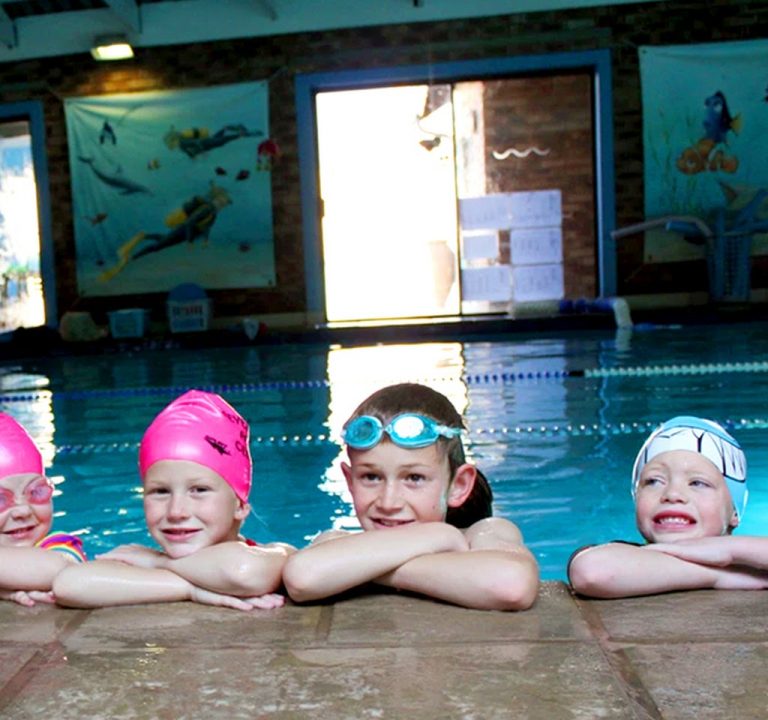
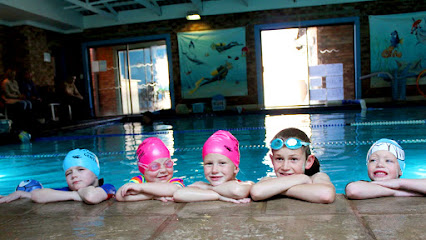
MAC Swim School is a Swimming instructors establishment in Alberton, Gauteng, South Africa
Alberton
Gauteng
1448
South Africa
Curriculum
MAC Swim School in Alberton, Gauteng presents a structured, age-appropriate curriculum designed to build water confidence, safety and technical competence across all ages. The programme arrangements emphasise progression through clearly defined stages while maintaining a welcoming, family-friendly approach. Instruction is delivered in small, personalised classes by fully qualified teachers, with a strong focus on safety, technique and enjoyment in the water.
The curriculum begins with Baby MAC, designed for infants aged 6 months to 2 years. These sessions concentrate on parent–child bonding, introductory water familiarisation and basic safety awareness. The emphasis is on gentle, playful activities that lay the foundations for future skill development, with each class typically running for 30 minutes once a week unless specified otherwise.
For preschool and early school-age swimmers, Small MAC concentrates on learn-to-swim skills, water safety, independence and confidence in the water. These 30-minute lessons aim to develop the core freestyle technique, breathing and buoyancy control in a supportive, game-based setting that promotes lifelong engagement with swimming.
Big MAC extends the learn-to-swim programme to older children and emphasises continued skill refinement, endurance and stroke development. This stage supports students as they move towards more structured stroke work, while maintaining a focus on safety and enjoyment in the water.
Senior and junior programmes are complemented by Adult Training and SOLO Swimmer, which cater to teens and adults seeking fitness, technique improvement or competitive engagement. Advanced stroke correction and training are available within the Adult Squads and squad-training pathways, designed for swimmers pursuing higher performance or targeted swimming goals.
Squad-based training, including Mini and Super MAC Squad Training, offers a more intensive pathway for swimmers who wish to focus on technique, speed, endurance and race readiness. These sessions align with the school’s broader commitment to developing water skills in a structured, progressive framework while empowering swimmers to set and achieve personal goals.
Across all levels, the curriculum emphasises water safety as a core element. Instructors integrate practical safety skills, confidence-building strategies and a positive, encouraging environment to help learners cope with varied water scenarios, including turning fear into competence and resilience.
Distinctive resources underpin the curriculum. The school operates indoor, heated facilities powered by solar energy, ensuring year-round access and comfort. The programme is aligned with Swim South Africa and Eastern Gauteng Aquatics (EGA) affiliations, reinforcing established standards and pathways for swimmers. MAC Swim School is also part of a broader aquatic community, including MAC Aquatics Club, which provides additional opportunities for development, competition and club-level activities.
In addition to regular classes, the school partners with Discovery Vitality, enabling participants and their families to earn vitality points through registered swimming lessons. This partnership reflects a broader commitment to promoting healthy lifestyles and accessible aquatic training.
While the primary curriculum focuses on in-person instruction, the school’s public resources and class pages offer up-to-date information about schedule changes, class availability and progression routes. Prospective learners are encouraged to explore class descriptions and book programmes via the official website.
- Baby MAC (6 months – 2 years) – 30-minute sessions, parent–child engagement, water safety foundations.
- Small MAC (2 years +) – Learn-to-swim progression, independence, safety and confidence.
- Big MAC – Continued learn-to-swim with emphasis on stroke development and endurance.
- Adult Training – Advanced stroke work, technique refinement and fitness benefits.
- Mini & Super MAC Squad Training – Intensive squad-based development and race preparation.
- SOLO Swimmer (Teens & Adults) – Strength, fitness, recovery or competition-focused training.
Overall, the curriculum at MAC Swim School blends careful pedagogy with a nurturing environment, aiming to equip learners with lifelong swimming skills, safety awareness and a lasting appreciation for the water. More detailed and current information about specific classes and progression can be found on the official website: MAC Swim School.
Faculties and Branches
MAC Swim School operates as a private, indoor facility situated in Meyersdal, Alberton, within Gauteng. The school positions itself as a multi-programme centre that serves a broad age range—from babies to adults—and emphasises water safety, confidence building, and skill development in a conducive, climate-controlled environment. The organisation is affiliated with Swim South Africa and Eastern Gautang Aquatics (EGA), underscoring its adherence to recognised standards in competitive and instructional swimming.
The educational structure is organised around distinct avenues of instruction that collectively form a holistic swimming education. While the facility presents a unified programme slate rather than discrete, public-facing faculties, the range of offerings corresponds to clearly defined populations and goals, including early development, learn-to-swim progression, and advanced or specialised training for teens and adults. This framework supports a continuum of learning, from foundational water confidence to stroke refinement and competitive preparation.
Key programme strands include:
- Baby MAC – early childhood water exposure for 6 months to 2 years, emphasising parent–child bonding, safety awareness, and sensory engagement.
- Small MAC – learn-to-swim for children aged approximately 2 years and older, focusing on independence, water safety, and foundational swimming skills.
- Big MAC – learn-to-swim for older children and beginners seeking continued progression and confidence in the water.
- Adult Training – programmes for teenagers and adults, including stroke refinement, fitness-oriented swimming, and recovery or competitive preparation.
- Mini & Super MAC Squad Training – specialised squad-level coaching for swimmers pursuing higher performance standards and team dynamics.
- Aquatic offerings for teens and adults outside of formal squad structures, including general swimming education and fitness-focused sessions.
Membership of the MAC Swim School extends beyond the pool through its professional team. All instructors are qualified with Swim South Africa (SSA) and are trained in first aid and CPR, reinforcing a commitment to safety and qualified instruction. The school also maintains a link with the MAC Aquatics Club, highlighting opportunities for community engagement and potential pathways into competitive swimming.
In terms of accessibility and services, the facility operates with indoor, solar-heated pools, enabling year-round lessons and continuous training, even during cooler months. The school additionally participates in community health initiatives through partnerships such as Discovery Vitality, allowing members to earn vitality points for swimming-related activities.
For those seeking to explore the programme options or to view specific class offerings, the MAC Swim School website provides dedicated pages for each category (Baby MAC, Small MAC, Big MAC, Adult Training, and squad-related activities). The campus location is primarily identified with Meyersdal in Alberton, but the site also implies a broader affiliation with regional aquatic organisations that inform its programme standards and opportunities for progression.
Overall, the structure of MAC Swim School reflects a coherent, learner-centred approach, combining developmental classes, progressive learn-to-swim tracks, and advanced training within a single, purpose-built facility in Alberton. Details on particular class schedules or enrolment are accessible through the school’s online class pages and information sections.
Further information can be found at the MAC Swim School website: MAC Swim School.
Registration Details
MAC Swim School in Alberton, Gauteng offers a clear pathway for enrolment across its range of programmes, from Baby MAC through to adult learn-to-swim and squad options. The school emphasises a structured approach to registration, with online booking options available for many classes and a straightforward process to join the MAC swimming community.
The application process is guided by online registration links embedded within the respective class pages. Prospective swimmers can begin by selecting the appropriate programme and proceeding to the online booking facility when available. Examples of live booking options can be found on class-specific pages such as Baby MAC and Small MAC, where “BOOK TODAY” links direct applicants to the online registration system. Additional class information and enrolment paths are accessible through the main “Classes” pages for adults, squads, and learn-to-swim offerings.
Where to apply:
- Baby MAC registration: BOOK TODAY
- Small MAC learn-to-swim registration: BOOK TODAY
- Adult and other programmes: browse the class pages for direct registration links (e.g., Adult Training, Learn-to-Swim
Eligibility and entry requirements are discussed within each programme page. The site presents age ranges and programme aims (for example, babies aged 6 months and up for Baby MAC and ages 2+ for Small MAC). Prospective parents and learners should review the individual class descriptions to determine suitability and readiness for enrolment.
Documents typically required for registration are not detailed on the public pages. The information supplied focuses on the online booking process and class eligibility rather than a formal list of submission requirements. If further details are needed, it is advisable to consult the Terms and Conditions page or contact the school through its official channels after beginning an online registration.
Support channels and contact points are available through the main site navigation and social media profiles. Useful links include the Terms and Conditions page, the school’s home page, and the social media accounts for Facebook, Instagram, and LinkedIn. These channels provide directions for queries related to registration, scheduling, and class availability. The physical address for MAC Swim School in Meyersdal, Alberton is listed on the site for those who prefer in-person registration or visits.
For ongoing registration information, applicants can explore:
- Class pages and the “BOOK TODAY” registration links
- Terms and Conditions for policy details on fees, cancellations, and notice periods
- Social media profiles for announcements and updates
Overall, registration at MAC Swim School is designed to be accessible online through programme-specific booking pages, with additional information available on the main site. Interested individuals are encouraged to review the relevant class pages, utilise the online booking options where offered, and consult the Terms and Conditions for additional guidance. The school’s commitment to providing a supportive, confidence-building aquatic education experience is reflected in its varied programme offerings and clear enrolment pathways.
Sorry, no records were found. Please adjust your search criteria and try again.
Sorry, unable to load the Maps API.
Education and Resources in Alberton, Gauteng
Alberton, situated within the Gauteng province, offers a diverse landscape of educational opportunities that cater to learners from early schooling through to higher education and vocational training. The area supports families with a range of institutions designed to match different interests, learning styles, and career aspirations. In general, residents can expect access to public and private schools, further education and training (FET) colleges, and pathways to universities located in the broader Johannesburg region.
Types of institutions commonly found in or accessible from Alberton include primary and secondary schools that provide varied curricula and support services. Many schools emphasise foundational literacy and numeracy, subject-specialist offerings, arts and physical education, and programmes that prepare learners for national examinations. For families seeking subject enrichment or remedial support, local schools frequently collaborate with educational service providers to offer tutoring, after-school programmes, and language development resources.
Further education and training options are typically available through nearby colleges and vocational centres. These institutions often deliver a mix of certificate, diploma, and specialised short courses aligned with industry needs. Programmes commonly cover fields such as information technology, business administration, engineering trades, healthcare support, and hospitality services. Flexible study modes, including part-time and daytime classes, are frequently available to accommodate work and family commitments.
Higher education in the region includes universities and specialised higher-education facilities within reasonable commuting distance. These institutions generally provide undergraduate and postgraduate programmes across faculties such as sciences, engineering, humanities, business, and social sciences. Entrance requirements vary by programme, with prospective students typically advised to review admission criteria, prerequisite subjects, and available majors in advance of applying. Prospective learners are encouraged to explore articulation agreements between colleges and universities, which can facilitate smoother transitions between study levels.
Learning support and student services play a central role in the Alberton area. Where available, schools and colleges may offer guidance counselling, academic tutoring, study skills workshops, disability support, and wellbeing services. Some institutions provide language assistance for learners whose first language is not English, as well as career guidance to help map out further study or employment opportunities after completion of programmes.
Facilities and resources commonly accessible to learners include well-equipped libraries with study spaces, computer labs, science and engineering laboratories, and practical workshops. Sports facilities, fitness centres, and outdoor spaces support physical education and extracurricular activity, while student accommodation is sometimes available on or near campuses for those relocating to study away from home. Modern campuses may also host cultural events, clubs, and societies that contribute to a well-rounded student experience.
Typical pathways for admission and registration start with gathering essential documentation, selecting a programme of study, and meeting prescribed deadlines. Prospective students are advised to review application windows, required academic records, and any placement or testing processes. For many learners, a bridging or foundational option may be available to prepare for degree studies or vocational training. It is common to seek advice from school counsellors, college admissions offices, or official education portals to understand available routes, funding opportunities, and eligibility criteria.
In sum, Alberton offers a pragmatic mix of educational environments, coupled with supportive services and resources that assist learners and families in navigating the journey from primary education to higher studies and beyond. The regional network of schools, colleges, and universities collectively supports the development of academic skills, practical competencies, and lifelong learning pursuits.