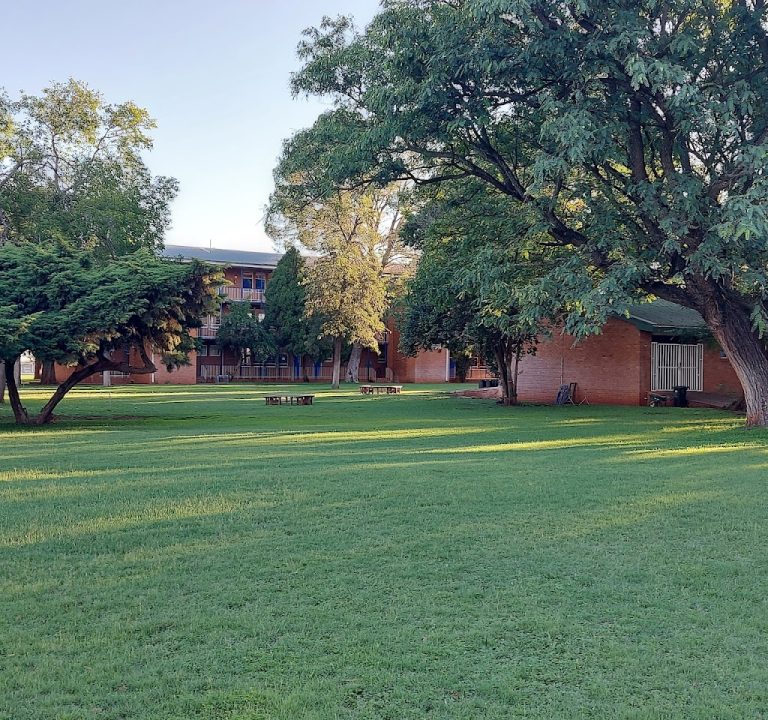
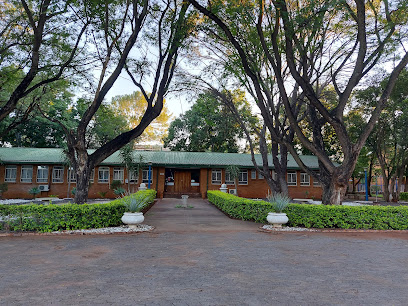
Lord Milner School is a Learning centers establishment in Settlers, Limpopo, South Africa
Settlers
Limpopo
South Africa
South Africa
Curriculum
Lord Milner School, located in Settlers, Limpopo, operates as an English-medium primary school with a focus on delivering a sound education within a secure and nurturing environment. Catering for boarders from Grade R to Grade 7, the school places an emphasis on developing well-rounded learners who can contribute responsibly to their communities. The curriculum is designed to support pupils across the foundational years, ensuring a steady progression from early literacy and numeracy to more complex reasoning, problem solving, and independent learning as students advance through their primary education.
As a co-educational, multi-racial institution, the school seeks to provide equitable access to high-quality teaching and learning. Although specific subject lists are not enumerated, the curriculum is described as being grounded in academic excellence and enriched by extra-curricular activities. This combination supports balanced development, encouraging curiosity, critical thinking, and a growth mindset among pupils. The school’s ethos emphasises courtesy, respect, tolerance, and an awareness of the needs of others, with the aim of cultivating responsible, well-adjusted individuals who are prepared to navigate an increasingly diverse world.
Across the primary years, learners are guided by teachers who prioritise a structured, supportive approach to education. The emphasis is on establishing a secure foundation in core academic skills, alongside opportunities to engage in broader educational experiences. The emphasis on safe, secure surroundings aligns with the goal of enabling students to focus on learning, take initiative, and develop self-discipline as part of their everyday school life. This supportive framework extends to the boarding environment, where pupils can access a stable setting that complements formal in-class instruction with structured routines and adult guidance.
In terms of learning resources and delivery methods, the information available highlights a commitment to excellence in teaching and to the provision of extra-mural activities. While explicit details of textbooks, digital resources, or learning platforms are not provided, the school’s description as a centre of learning excellence suggests an investment in resources that support varied teaching approaches and cater to different learning styles. The inclusion of extra-curricular and co-curricular opportunities is presented as a key component of the overall educational experience, enabling pupils to develop talents, social skills, teamwork, and leadership outside the classroom.
Short courses or professional training opportunities are not specifically listed on the provided materials. However, the emphasis on the school being a nurturing learning centre of excellence implies a holistic approach to education, where development extends beyond traditional academic subjects. Parents and guardians can anticipate a curriculum that integrates personal development with academic progress, aiming to produce independent, self-disciplined learners who demonstrate courtesy and respect for others in daily interactions and school life.
Extracurricular engagement is highlighted as a notable feature of the school, reinforcing the notion that education at Lord Milner extends beyond core subjects. Participation in a variety of activities supports pupils’ social development, physical well-being, and broader interests, contributing to a well-rounded school experience. The school’s long-standing history—having been founded in 1932 to serve the children of farmers on the Springbok Flats—underpins a tradition of educational continuity and community involvement, enriching the learning environment for current pupils.
For families seeking further information on curriculum-related details, the school’s official website offers insights into its vision, ethos, and the general framework of primary education within theSettlers setting. Prospective learners and guardians are encouraged to explore the site to understand how the curriculum aligns with their goals for academic achievement, personal growth, and preparation for subsequent educational stages. The emphasis remains on creating a safe, welcoming home-away-from-home atmosphere in which every child can grow into a well-adjusted, independent citizen capable of contributing positively to society.
- Grade R to Grade 7 progression within an English-medium primary programme
- Focus on core academic development alongside social and personal growth
- Co-educational, multi-racial environment with emphasis on courtesy, respect and tolerance
- Boarding provision in a secure setting supporting learning and development
- Extra-murricular activities as a key component of the educational experience
- Long-standing community heritage dating to 1932, with a tradition of educational excellence
Website: www.lordmilner.co.za
Faculties and Branches
Lord Milner School, situated in Settlers, Limpopo, operates as an English‑medium primary school offering boarding for pupils from Grade R to Grade 7. The institution presents a cohesive educational framework rather than multiple faculties, emphasising a shared core curriculum complemented by extensive extra‑curricular activities.
As a co‑educational, multi‑racial establishment, the school concentrates on delivering a safe and secure environment in which pupils develop academically, socially and personally. The emphasis is on sound educational foundations and the cultivation of courtesy, respect, tolerance and an awareness of the needs of others, supporting learners to grow into confident, independent, self‑disciplined young citizens.
The primary focus centres on a structured programme of teaching and learning within a single school community, complemented by boarding facilities that support learners who reside away from home. While specific departmental divisions are not detailed, the school is recognised for its commitment to academic excellence alongside a broad range of extra‑murricular opportunities.
Locations and reach are described in terms of the school’s setting in Settlers, with historical and contemporary links to pupils drawn from across South Africa, including regional areas such as Polokwane, Lebowakgomo, Rustenburg and Gauteng. This highlights the school’s role as a regional centre of learning within a single primary‑level framework rather than a multi‑campus system.
For prospective families and learners, the institution’s profile emphasises a nurturing environment designed to support individual development within a well‑rounded programme. Additional information about admissions, boarding arrangements and specific activity offerings can be explored through the school’s official website.
- Single primary‑level education with Grade R to Grade 7 progression
- Boarding facilities supporting non‑local pupils
- Co‑educational, multi‑racial community
- Strong emphasis on academic teaching and extra‑mural activities
- Safe, secure environment prioritising personal development
- Location: Settlers, Limpopo, South Africa
For further information on programmes, admissions, and student services, visitors may consult the school’s official website at www.lordmilner.co.za.
Registration Details
Lord Milner School, located in Settlers, Limpopo, South Africa, is an English medium primary school that welcomes both boarders and day pupils. The school operates as a co-educational, multi-racial community with a focus on delivering a sound academic programme alongside a broad range of extra‑mural activities. Founded in 1932, the school emphasises a safe and secure environment where learners are encouraged to develop courtesy, respect and a consideration for the needs of others.
The school caters for boarders from Grade R through to Grade 7, as well as day pupils within the same range. The emphasis is on nurturing well‑rounded individuals who can grow into independent, self‑disciplined young citizens while benefiting from a structured educational setting and supportive pastoral care.
Details regarding the registration or application process are not enumerated in the available site content. Prospective families are advised to consult the school's official website for the most up‑to‑date information, including any specific steps, deadlines, or documents required for enrolment.
Where to apply:
- Apply via the school’s official website
Notes on eligibility and entry requirements are limited in the public content. The site confirms that the institution serves learners from Grade R to Grade 7 and that it welcomes pupils from various regions, reflecting its broader South African intake. For precise eligibility criteria, entrance requirements, and any boarder-specific conditions, consultation of the school’s online information is recommended.
Documents typically requested for registration are not detailed on the site. Interested applicants should review the school’s official pages or contact the school directly through the website to obtain a definitive checklist of required paperwork and timelines.
Contact and support channels are not listed in the available content. To obtain direct assistance, visitors should use the school's official website as the primary point of contact, where the most current contact methods and enquiry options are likely to be posted.
Sorry, no records were found. Please adjust your search criteria and try again.
Sorry, unable to load the Maps API.
Education and Educational Resources in Settlers, Limpopo
Settlers, located in Limpopo, South Africa, sits within a landscape that blends community schools, vocational offerings, and pathways to further study. The area typically supports a diverse range of educational institutions designed to serve learners at different stages, from primary school through to higher education and specialised training. This mix provides opportunities for families to plan education journeys that align with individual interests, academic ability, and career ambitions.
Within Settlers, the common provision includes government and independent primary and secondary schools that emphasise core literacy, numeracy, and foundational subjects. Schools often offer language options and culturally relevant curricula, with support services aimed at helping pupils adapt to academic demands and social change. In addition to traditional classrooms, many institutions integrate practical learning areas to foster enquiry, critical thinking, and collaborative work, preparing learners for further study or skilled employment.
For those seeking specialised or technical qualifications, local training centres and vocational colleges are typically available. These establishments focus on practical programmes that translate into workforce readiness, such as construction, engineering-adjacent trades, information technology, hospitality, and health-related skills. Programmes commonly target a range of levels, including certificates, diplomas, and foundational credentials designed to broaden access to skilled professions or support career progression.
A number of options in and around Settlers support tertiary education aspirations, including access to universities and reputable distance-learning platforms. Universities in the wider region provide degree programmes across disciplines such as sciences, humanities, business studies, and education. This proximity allows students to consider on-campus experience or flexible, remote learning arrangements that accommodate family responsibilities or employment commitments.
Learning support and student services are important elements of the educational ecosystem. Where available, learners may encounter guidance on study skills, progression planning, and career advice. Support may also extend to learners with special educational needs, offering targeted assistance, assistive technologies, and adjustments to learning environments to promote inclusion and successful completion of courses.
Facilities characterising educational sites in Settlers and its surroundings typically include well-stocked libraries, equipped laboratories for science and technology projects, and multimedia resources supporting research and independent study. Sports and recreation facilities often accompany educational campuses or adjacent community venues, reflecting a holistic approach to student well-being and resilience. Accommodation options, where present, cater to students who relocate for study, providing a supportive living environment that can contribute to academic focus and personal development.
Paths into education in Settlers generally outline straightforward admissions or registration processes at the appropriate level. Prospective learners are encouraged to explore subject prerequisites, available programmes, and the timelines for application and enrolment. While exact entry requirements vary by institution and programme, common themes include meeting minimum academic standards, providing necessary documentation, and demonstrating readiness for the chosen field of study or training track. Outreach and information sessions frequently offer insights into course content, assessment methods, and potential career routes, helping families make informed decisions.
Overall, Settlers, Limpopo, presents a spectrum of educational resources that recognise local needs and aspirational ambitions. The arrangement of schools, colleges, and training centres supports lifelong learning, with pathways that can adapt to changing circumstances and evolving job markets. By engaging with the available institutions and support services, learners and families can construct educational plans that open doors to further study, practical qualifications, and meaningful participation in the regional economy.
- Types of institutions: primary and secondary schools, vocational and technical colleges, universities in the broader region.
- Typical programmes: core qualificiations, certificates, diplomas, undergraduate degrees, and practical trades training.
- Resources and facilities: libraries, laboratories, sports and recreation, accommodation options.
- Student services: learning support, guidance and career services, inclusive education adjustments.
- Pathways: admissions and registration processes, progression planning, transition between education levels.
Further information and up-to-date details about local institutions and programmes can be found through regional education portals and individual college or university websites.