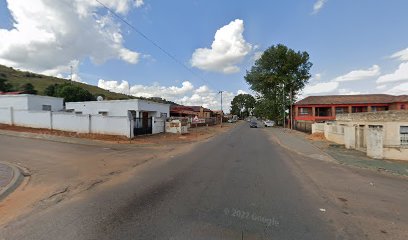
Lompec Education Centre is a Education centers establishment in Pretoria, Gauteng, South Africa
Pretoria
Gauteng
0122
South Africa
Curriculum
Lompec Education Centre in Pretoria, Gauteng presents a structured curriculum that spans from foundation phases through to senior secondary level, aligned with the South African CAPS framework. The curriculum organisation is designed to support progressive academic development across key stages, with subject choices and core competencies mapped to each grade band. The approach emphasises foundational literacy and numeracy, combined with subject-specific strands that build towards flexible and employable knowledge in later years.
Foundation Phase (Grade 1–3) focuses on core language and numeracy skills and introduces essential daily living concepts. The subjects listed for this phase include English home language, Afrikaans as the first additional language, Mathematics, and Life Skills, establishing a broad base for later academic specialisation. The emphasis at this stage is on developing confidence with reading, writing, arithmetic, and practical understanding of the world, alongside social and personal development.
Intermediate Phase (Grade 4–6) expands on literacy and numeracy while incorporating scientific and social understanding. The curriculum for this phase includes English home language, Afrikaans first additional language, Mathematics, Natural Science and Technology, Life Skills, and Social Science. This combination supports inquiry-based learning and the development of analytical thinking, problem solving, and collaborative skills, preparing learners for more specialised study in senior levels.
Senior Phase (Grade 7–9) introduces a broader subject set that reflects refined academic interests and capabilities. Core subjects include English home language, Afrikaans first additional language, Mathematics, Natural Science, Social Science, and Economics and Management Science. Technology, Life Orientation, Arts and Culture, Computer Literacy, and additional offerings provide avenues for practical and creative engagement, enabling learners to explore career-oriented paths and cultivate digital literacy essential for modern learning environments.
Senior School (Grade 10–12) presents the school’s offerings for the final formative years, with a focus on preparing learners for qualifications and adult life. The curriculum for Grade 10 to 12 includes Home Languages (English, Sepedi, and isiZulu), First Additional Language (English and Afrikaans), Life Orientation, and a selection of subjects in Sciences and Commercials. The Sciences are paired with Physical Sciences and Life Sciences as core science avenues, while the Commercials portfolio includes Economics and Business Studies, Maths or Maths Literacy, Accounting, Tourism, and Computer Application Technology. An Additional Subject is offered to provide flexibility, enabling learners to tailor their studies to personal strengths and future aspirations.
Across all phases, the centre emphasises CAPS compliance, ensuring alignment with national standards for learning outcomes and assessment. Computer Literacy is highlighted as an ongoing capability, with explicit inclusion from Grade 1 through to Grade 12. This focus reflects a commitment to equipping learners with essential digital skills for communication, information gathering, and problem solving.
Distinctive resources and learning commitments are underscored by the centre’s history and policy context. The school notes a 100% track record in the Annual National Assessment (ANA), underscoring a sustained emphasis on academic achievement and rigorous assessment. The curriculum is supported by a team of qualified educators, multiphase teaching strategies, and an emphasis on developing integrity, respect, and tolerance as part of the broader educational mission. Visitors and prospective learners can expect a curriculum that integrates academic sequencing with opportunities to engage in technology-enabled learning and creative disciplines.
In addition to formal classes, Lompec Education Centre provides information about admissions, policies, and discipline within its broader school framework. While the curriculum page concentrates on subject structure and grade-based progression, supplementary aspects of student life—such as activities and ongoing student support—are referenced across the site, indicating a holistic approach to education that combines academic rigour with personal development and community engagement. The school’s mission and vision reinforce the aim of nurturing well-rounded, responsible citizens who can contribute effectively in a rapidly evolving global landscape.
For more information on the curriculum structure and subject selections by grade, visit the school’s curriculum page and related sections on the official site: Lompec Education Centre – Curriculum.
- Foundation Phase: English, Afrikaans, Mathematics, Life Skills
- Intermediate Phase: English, Afrikaans, Mathematics, Natural Science and Technology, Life Skills, Social Science
- Senior Phase: English, Afrikaans, Mathematics, Natural Science, Social Science, Economics and Management Science, Technology, Life Orientation, Arts and Culture, Computer Literacy
- Senior School (Grade 10–12): Home Languages, First Additional Language, Life Orientation, Sciences, Commercials, Computer Application Technology, optional additional subject
Overall, the curriculum at Lompec Education Centre is characterised by a layered progression through the grades, a CAPS-aligned framework, and a deliberate emphasis on developing computer literacy and digitally capable learners, while maintaining a strong commitment to academic achievement and personal growth.
Faculties and Branches
Lompec Education Centre in Pretoria, Gauteng, operates as a combined primary and secondary educational institution with an established pre‑school and day‑care component. The centre appears organised around three principal academic bodies that align with the progression of learners from early childhood through secondary schooling: a Pre‑School and Day Care, a Primary School, and a Secondary School. Each body is positioned to support a continuous educational pathway from early foundation through to senior phases, all under a single institutional umbrella.
The curriculum is structured by grade bands, with subject offerings designed to cover foundational literacy and numeracy in the foundation phase, progressing to more specialised subjects in the intermediate and senior phases. Foundational subjects include English Home Language, additional language instruction (Afrikaans as a first additional language), Mathematics, Life Skills, and related disciplines. In higher grades, the curriculum expands to encompass Natural Science and Technology, Social Sciences, Economics and Management, Technology, Life Orientation, Arts and Culture, Computer Literacy, and subject choices listed for senior and further education levels. The curriculum sections indicate an emphasis on developing core competencies across a broad spectrum of disciplines.
As a single campus operation, Lompec’s services bridge academic programmes with learner support structures. The institution’s public materials describe a unified approach to registering students across the different educational stages, including pre‑school, primary, and secondary, with the respective admission forms and policies that govern enrolment and progression. This integration suggests coordinated student services, such as admissions administration, uniform provisions, and adherence to school rules and conduct, applied consistently across the three educational bodies.
In terms of campus structure, the listings reference a single physical base in Mamelodi East, with a clear delineation of the Pre‑School and Day Care, Primary School, and Secondary School streams within the Lompec Education Centre framework. The campus organisation appears designed to streamline transitions between phases—for example, from Foundation through Intermediate to Senior phases—while maintaining brand continuity under the Lompec name.
Visiting information and further programme details, including admissions policies and conduct expectations, are ordinarily accessible via the centre’s primary online portal. Prospective learners and families can consult the site for curriculum outlines by grade and download associated documents for enrolment, policy, and conduct. The presence of an overarching mission and a robust curriculum description supports the impression of a cohesive educational ecosystem, with a shared commitment to academic achievement, discipline, and character development across all faculties and branches.
- Pre‑School and Day Care – integrating early childhood education as the initial stage of the Lompec pathway.
- Primary School – offering Grades 0/Reception through to Grade 6, following a CAPS‑aligned framework.
- Secondary School – covering Grades 7 through 12, with subjects and senior‑level preparation aligned to national curricula.
For more information on the faculties, branches, and related programmes, visitors may explore the Lompec Education Centre’s facilities and curriculum pages on the official website: Lompec Education Centre.
Registration Details
Lompec Education Centre in Pretoria, Gauteng, accepts new learners by completing the school’s formal application process prior to enrolment. The process is designed to ensure that student information is complete and accurate before a placement can be confirmed. Prospective families are advised that enrolment is not finalised until the required application materials have been reviewed and the school confirms a place for the learner.
Where to apply is clearly indicated through the school’s online admission resources. Applicants should download the relevant enrollment forms corresponding to the learner’s current level and status. The available forms include options for pre‑school and day care as new or returning learners, primary school levels (Grade 1 to 3, and Grades 4 to 6 for both new and returning learners), and secondary school levels (Grades 7 to 9, Grade 10 for new learners, and Grades 10 to 12 for returning learners). Each form is provided as a downloadable document for completion. The forms can be accessed here via the school’s admission section: Lompec Pre‑School and Day Care, Lompec Primary School, and Lompec Secondary School forms for both new and returning learners. In addition, the Admission Policy and Code of Conduct are available for reference, outlining the expectations and procedures that accompany the registration process.
The application materials are available through direct links to downloadable PDFs, which include the full set of information required for consideration. The school states that the forms should be downloaded, completed, and submitted to the school to initiate enrolment. While specific deadlines, submission procedures, and fees are not detailed in these materials, the emphasis remains on ensuring that the student’s information is complete and correct as a prerequisite for enrolment. The provided documents include:
- Lompec Pre‑School and Day Care – New Learners
- Lompec Pre‑School and Day Care – Returning Learners
- Lompec Primary School – New Learners Grade 1 to 3
- Lompec Primary School – Returning Learners Grade 1 to 3
- Lompec Primary School – New Learners Grade 4 to 6
- Lompec Primary School – Returning Learners Grade 4 to 6
- Lompec Secondary School – New Learners Grade 7 to 9
- Lompec Secondary School – Returning Learners Grade 7 to 9
- Lompec Secondary School – New Learners Grade 10
- Lompec Secondary School – Returning Learners Grade 10 to 11
- Lompec Secondary School – Returning Learners Grade 12
- Admission Policy
- Code of Conduct
Following submission, the school processes the application in line with its policies. The Code of Conduct and the Admission Policy provide the framework for expectations, including student behaviour, disciplinary measures, and the general terms of registration and progression. It is advised that applicants and guardians review these documents to understand the enrolment standards and the obligations that accompany attendance at Lompec.
For additional guidance or to submit the application materials, interested parties may utilise the school’s contact resources. The school maintains a dedicated contact form and a general contact page where inquiries can be directed to the Academic Administration and other departments. The contact hub is accessible through the school’s main site, and it offers routes to obtain further information about the registration process, as well as general queries related to admission and enrolment.
Prospective learners and guardians should keep an eye on the school’s admission section for any updates or changes to the registration process. The site emphasises the importance of completing all required documentation to facilitate a smooth enrolment experience, with guidance available through the stated links and contact channels.
Sorry, no records were found. Please adjust your search criteria and try again.
Sorry, unable to load the Maps API.
Education and Resources in Pretoria
Pretoria, the administrative capital of South Africa, presents a broad landscape of educational opportunities suitable for learners and families alike. The city hosts a range of institutions that cater to diverse interests and career aspirations, from primary and secondary schools to higher education and vocational training centres. In many neighbourhoods, families can access well established schools alongside independent options, all offering routes to further study and personal development.
Secondary education in Pretoria typically centres on national curricula and assessment frameworks, with learners progressing through grade-based programmes to complete their matriculation. Support for students often includes extra tuition, guidance counsellors, and language assistance to help navigate examinations and planning for post-school pathways. A variety of school environments exist, ranging from traditional academic settings to more specialised or community-focused options, allowing families to choose based on learning style and support needs.
Higher education in the region encompasses universities and further education colleges, alongside specialised training centres. Prospective students commonly pursue undergraduate degrees, diplomas or certificates in fields spanning sciences, humanities, engineering, business, health, and creative disciplines. Vocational and technical training programmes are also available, emphasising practical skills and industry readiness, with pathways designed to lead into employment or further study.
For those seeking shorter or non‑credit programmes, there are continuing education and adult learning opportunities. These courses may focus on language development, digital literacy, professional skills, or personal interests, providing flexible routes to knowledge enhancement alongside formal qualifications. Part‑time study options and online components assist learners who balance work, family commitments, and study demands.
Learning support and student services form a common feature across institutions in Pretoria. Libraries and study spaces offer quiet environments, access to digital resources, and research assistance. Language support, academic writing centres, and tutoring services help learners develop study techniques and achieve your academic goals. Disability services, counselling, and welfare support contribute to an inclusive learning environment that recognises diverse needs and promotes student wellbeing.
Facilities across educational sites typically include laboratories and workshops for practical learning, computer suites with relevant software, and sport or fitness facilities that support a broad campus life. Accommodation options, where available, may range from on‑site residences to partner housing and approved shared living arrangements, enabling students from out of town to focus on studies and community life.
Typical pathways start with registration and enrolment processes at the beginning of each academic cycle. Prospective learners are advised to review entry requirements, programme outlines, and intake dates. Guidance offices or student services can offer information on available funding, bursaries, and registration steps, as well as advice on selecting a course of study aligned with long‑term goals. For those transitioning from one level to another, bridging or foundation programmes may provide additional preparation before entering degree or diploma courses.
In summary, Pretoria offers a comprehensive educational ecosystem, with a spectrum of schools, colleges, and universities supported by robust libraries, laboratories, and student services. The environment supports both traditional academic routes and practical, career‑focused training, facilitating clear pathways from school through higher education and into the workforce.
- Secondary schools with diverse curricula and support services
- Universities offering undergraduate and postgraduate study
- Further education and training colleges with vocational programmes
- Specialist training centres for technical and professional skills
- Continuing education and community learning opportunities
- Comprehensive libraries, laboratories, and digital learning resources
- Student accommodation and welfare services to support learners