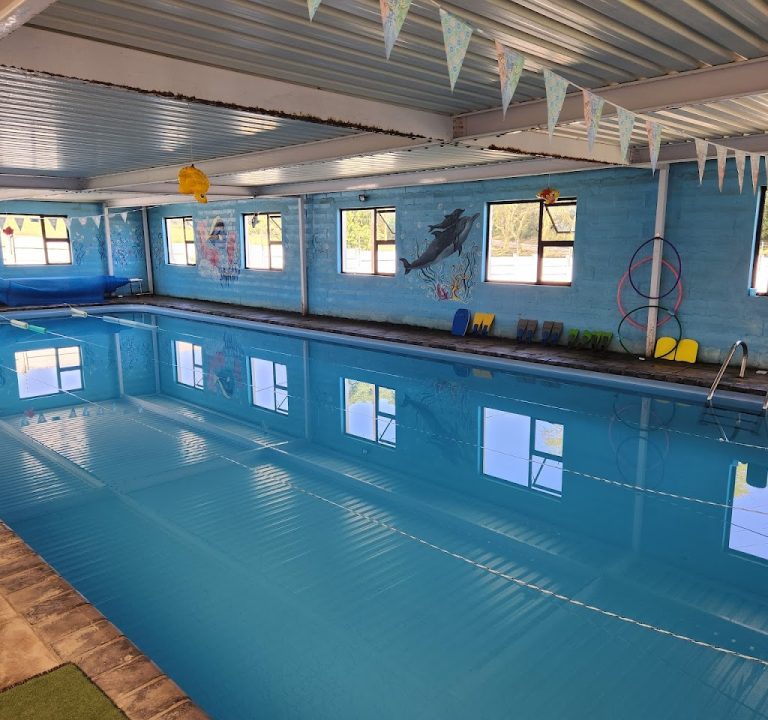
Little Flippers Swim school is a Swimming instructors establishment in Dolphin Coast, KwaZulu-Natal, South Africa
Dolphin Coast
KwaZulu-Natal
4391
South Africa
Sorry, no records were found. Please adjust your search criteria and try again.
Sorry, unable to load the Maps API.
Education and Educational Resources on the Dolphin Coast
The Dolphin Coast region in KwaZulu-Natal sits within a broader network of educational opportunities that serve learners of all ages. From early childhood programmes to higher education and specialised training, families can access a range of institutions and services designed to support academic development, skills attainment, and lifelong learning.
Across the coast, general education typically encompasses a spectrum of primary and secondary settings. Public schools deliver the foundational curriculum aligned with national standards, while private schools may offer additional flexibility in approaches to pedagogy, language of instruction, and enrichment programmes. In many communities, schools emphasise not only core subjects such as mathematics and languages but also programmes in science, technology, engineering and maths (STEM), arts, and physical education. For families considering alternatives, there are often preparatory or independent learning centres that provide bridging support, language development, and exam coaching.
Beyond the school gate, further education institutions include technical and vocational training providers, local colleges, and private training centres. These venues typically present a variety of programmes at further education and training (FET) level, including diplomas, certificates, and short courses geared towards employability, practical trade skills, tourism, hospitality, information technology, and business administration. Some learners may pursue higher certificates and undergraduate degrees through partnerships with regional universities, or learn through distance education platforms that complement on-campus study.
Higher education opportunities may be accessed at universities and campuses within reasonable travelling distance of the Dolphin Coast. Prospective students should look for clear information on accreditation and recognised qualification frameworks, along with guidance about application timelines, admissibility criteria, and available funding. Useful pathways often include completion of the National Senior Certificate or equivalent credentials, meeting language requirements, and preparing for any mandatory entrance assessments where applicable. Local retraining initiatives and micro-credential programmes commonly exist to support career-switching and upskilling in response to community needs.
Learning support and student services are integral to the educational landscape. Libraries and multimedia centres provide study spaces, research materials, and access to digital resources. Computer laboratories and science laboratories support practical experiments and hands-on learning, while language centres and tutoring services assist learners who require extra help. Counselling, career guidance, and disability support services are frequently available to aid personal development, mental health, and accommodation planning. In coastal communities, there is often collaboration between schools, training providers, and local organisations to coordinate mentoring, work experience placements, and apprenticeships.
Facilities commonly found across the Dolphin Coast include well-equipped classrooms, sports facilities, and safe outdoor spaces that encourage healthy, active lifestyles. Accommodation arrangements vary by institution but may include on-site hostels, partner housing for students, or community-based options for those who study away from home. Accessibility and transport links are important considerations, with regional transport networks helping learners attend classes and access libraries, laboratories, and study centres.
Typical admissions and registration pathways begin with identifying suitable programmes and checking entry requirements. Prospective learners are advised to gather necessary documentation, confirm deadlines, and understand the available modes of study—full-time, part-time, or distance learning. Reviewing funding possibilities, such as bursaries or government-supported loans, can also support access to education. For the most accurate guidance, learners should consult official education portals or contact individual institutions directly through their published channels.
- Types of institutions: public and private schools, further education colleges, technical and vocational centres, universities, and distance-learning providers.
- Programme levels: foundational schooling (primary and secondary), further education and training certificates and diplomas, undergraduate and postgraduate studies, and specialised short courses.
- Resources and services: libraries, computer and science laboratories, learning support centres, language assistance, tutoring, career guidance, counselling, and disability services.
- Facilities: classrooms, sports and recreation facilities, laboratories, and accommodation options where available.
Overall, the Dolphin Coast offers a broad and flexible educational ecosystem that supports diverse learning goals. Prospective learners and families are encouraged to explore official guidance, visit institutions when possible, and use available online portals to compare programmes, entry requirements, and registration timelines. For additional information on national education policies and recognised qualifications, the South African Department of Basic Education and related national bodies provide authoritative resources.
South Africa Department of Education | Higher Education Resources