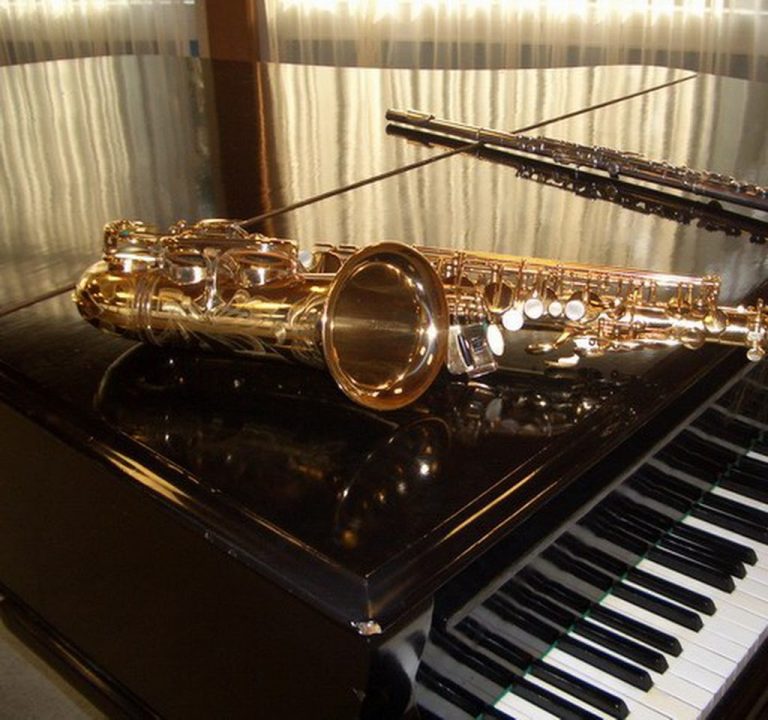
Kimberley Academy of Music is a Music schools establishment in Kimberley, Northern Cape, South Africa
Kimberley
Northern Cape
Klisserville, Kimberley
South Africa
Curriculum
Kimberley Academy of Music, based in Kimberley in the Northern Cape, offers a structured yet flexible programme designed to accommodate a range of musical interests and levels. The curriculum centres on practical instrument study alongside theoretical foundation, with an emphasis on cultivating both technical skill and musical understanding within a supportive community.
Programmes are organised into core strands that reflect common pathways for aspiring musicians. These include individual lessons, which provide personalised tuition tailored to the student’s repertoire, technique and musical goals. In addition, group classes cover instrumental tuition in a collaborative setting and music theory, enabling learners to engage with concepts in a social learning environment. Ensemble activities form a further cornerstone of the offering, giving students opportunities to perform and collaborate within small and larger groups, fostering ensemble listening, balance, and teamwork.
The academy’s approach to curriculum emphasises progression through practical playing and theoretical knowledge. While specific course lists, durations, fees and entry requirements are not detailed publicly, the provision of both one-to-one and group formats suggests a pathway that supports gradual skill development from beginner through more advanced stages, subject to the learner’s commitment and goals.
Areas of study encompass a broad spectrum of musical platforms, with an emphasis on versatility across styles and settings. Students may experience instruction across different instruments through individual tuition, participate in theory classes to reinforce musical literacy, and join ensembles to apply learning in performance contexts. This combination aims to build a well-rounded musical education that can adapt to varied interests, from classical to contemporary repertoire.
Short courses or professional training opportunities are not specifically itemised on the public profile. However, the inclusion of group classes and ensembles indicates additional avenues for focused study and practical performance experience beyond regular instrument lessons. Learners seeking extracurricular enrichment or performance-oriented practice are likely to find these offerings aligned with the academy’s broader educational aim.
Regarding online or blended learning options, there is no explicit information indicating remote tuition. The available information highlights on-site learning and in-person ensemble work at the Kimberley location. For learners requiring flexible arrangements, it may be worthwhile to inquire directly through the academy’s contact channels to understand current possibilities or future developments in online formats.
Support for students extends to participation in ensembles and group classes, which can foster motivation, peer feedback, and performance opportunities. The presence of multiple platforms for learning—individual, group, and ensemble—suggests a holistic framework that supports ongoing practice, goal setting, and collaborative musicianship within the local community of Kimberley.
Resource elements associated with the curriculum include a recognised emphasis on both practical musicianship and musical literacy, the latter likely reinforced through theory instruction. The combination of personalised coaching, collaborative classes, and ensemble work is positioned to help learners track progress, develop listening and ensemble skills, and engage with a range of repertoire as part of a comprehensive musical education.
For more information about current offerings, prospective students and families may contact Kimberley Academy of Music or visit the academy’s online presence at https://www.facebook.com/kimberleyacademyofmusic/.
Faculties and Branches
Kimberley Academy of Music operates as a dedicated music school based in Kimberley, Northern Cape. The organisation concentrates on delivering a range of practical and theoretical music education through a single, central venue rather than multiple campuses.
Educational offerings are organised around core programme types that support diverse student interests and goals. These include:
- Individual instrument lessons, providing personalised tuition tailored to each learner’s focus and pace.
- Group classes in instrumental tuition and music theory, promoting collaborative learning and peer engagement.
- Ensemble activities, enabling participation in small and larger groups to develop ensemble skills and exposure to varied repertoires.
This structure supports a holistic approach to music education, connecting direct instructional sessions with opportunities for collaborative practice and performance preparation. The stated location places the academy at the corner of Bowen and Graham Eden streets in Kimberley, serving local students with a compact but versatile programme framework.
While no additional branches or campuses are listed, the centre’s design emphasises a cohesive environment where individual coaching, instructional classes, and group ensemble experiences are integrated within a single institutional setting. This model facilitates coordination between lessons, theory study, and ensemble activities, helping students progress across different facets of musical training.
For prospective students and families, the arrangement highlights straightforward navigation through programmes and services, with clear progression from foundational learning in theory and instrumental technique to more advanced ensemble involvement. Further information and updates can be found on the academy’s official page, which provides context on available offerings and the central location for attendance and participation.
Registration Details
Kimberley Academy of Music is a Kimberley-based music school offering a range of platforms, including individual lessons, group classes in instrumental tuition and music theory, and various ensemble activities. The registration details are typically communicated through the academy’s public pages, with potential applicants encouraged to use the primary channel of contact provided online to obtain the most current information.
Overview of the process aligns with a straightforward entry for prospective students or guardians seeking to join the programmes on offer. Interested individuals should first establish contact through the academy’s public information platform to inquire about available lessons, class schedules, and ensemble opportunities. The public page serves as the primary point of reference for overviews of what the academy provides and for any updates related to admission or term entries.
Where to apply or inquire: the Kimberley Academy of Music maintains an active presence on Facebook, which functions as the visible public-facing hub for information and updates. Prospective applicants can visit the academy’s Facebook page to learn about the offerings and to initiate contact or request further guidance on registration. Apply or make initial enquiries here: Kimberley Academy of Music on Facebook.
Eligibility and entry requirements are not expressly listed as a formal set of criteria on the available public content. Therefore, the general approach is to inquire directly to confirm any specific prerequisites or suitability for particular lessons or ensembles. The academy’s varied programmes—ranging from individual lessons to group classes and ensembles—often accommodate a broad range of age groups and skill levels, though exact entry requirements would be confirmed through direct communication.
Documents typically required for registration are not explicitly enumerated on the site. In the absence of stated forms or deadlines, it is advisable to engage with the academy via the public platform to receive guidance on any documentation that might be needed for enrolment. Typical concerted practice in similar educational settings would involve proof of identity, parent or guardian consent for minors, and information about the student’s prior musical experience; however, these elements should be confirmed with Kimberley Academy of Music directly.
Contact and support channels are provided through publicly available information on the page. Members of the public can reach out via the academy’s social presence for registration queries and to obtain the latest guidance. The page reiterates the location in Kimberley, Northern Cape, and signals openness for new terms and member enquiries. For ongoing assistance or to commence the application process, refer to the public page above and follow the messaging options available there.
In summary, registration details for Kimberley Academy of Music emphasise engagement through the public online presence, particularly the academy’s Facebook page, which serves as the primary conduit for information and initial contact. Prospective students are advised to review the page for current offerings and to use the provided contact options to obtain personalised registration guidance, timelines, and any necessary documentation.
Sorry, no records were found. Please adjust your search criteria and try again.
Sorry, unable to load the Maps API.
Education and Resources in Kimberley, Northern Cape
Kimberley, the capital of the Northern Cape, functions as a regional hub for learning and skills development. The city supports a diverse spectrum of educational settings that cater to school learners, young adults preparing for higher education, and individuals pursuing vocational training. In general terms, learners can access a mix of public and private institutions that emphasise both academic achievement and practical competencies.
Schooling in Kimberley typically comprises primary and secondary education delivered through public schools, with additional private options available. Across the district, local schools focus on national curricula, essential literacy and numeracy foundations, and progression to higher educational tracks. Beyond traditional schooling, several institutions offer preparatory programmes aimed at facilitating transitions to further education, among them courses designed to strengthen core subject knowledge and introduce learners to study skills and examination practice.
Universities and higher education in the region commonly provide pathways that address a range of interests, including science, engineering, social sciences, humanities, and business studies. Access to higher education is supported by guidance on admissions, credit transfer, and articulation into diploma and degree courses. In addition, distance learning and blended learning options may be available for those balancing study with work or family commitments. Prospective students are generally advised to explore official university portals or government-backed education resources for information about recognised programmes and recognised qualifications.
Colleges and technical training centres play a significant role in Kimberley’s education landscape. These institutions commonly offer vocational and occupational programmes aimed at equipping learners with practical skills for immediate employment. Typical offerings include trades, information technology, hospitality and tourism, health-related skills, and business administration. Short courses, certificates, and modular training may be available to support career changes, continued professional development, and entry into occupations requiring a recognised credential.
Learning support and student services are essential components across educational providers. Learners can expect access to academic tutoring, study skills workshops, language development support, and guidance on study planning. For students with additional needs, many institutions provide inclusive education services, including specialised counselling, accessibility adaptations, and tailored learning plans. Financial assistance information, bursaries, and scholarship opportunities are often advertised through institutions or public education portals, while some providers offer information on affordable study options and flexible terms.
Facilities and resources commonly found in Kimberley’s education sector include well-stocked libraries, computer laboratories, science laboratories, and dedicated study areas. Sports complexes, gymnasia, and outdoor facilities support physical education and extracurricular participation. On-campus accommodation is available at certain institutions, providing residential options for students from other towns or provinces. Childcare facilities and family-friendly services may also be in place to support learners who balance studies with parenting responsibilities.
Typical pathways for learners and families involve a sequential progression: completion of compulsory schooling, followed by registration for further education or training, selection of a programme aligned with interests and career goals, and the pursuit of recognised qualifications. Admissions processes generally require submission of prior academic records, completion of application forms within set timelines, and compliance with any specific entrance requirements. Information about deadlines, prerequisites, and recognition of prior learning is commonly available through institutional websites or official education portals.
Overall, Kimberley offers a practical and accessible educational ecosystem designed to support a wide range of learners. The mix of schools, higher education providers, vocational training centres, and support services creates opportunities for academic advancement, career readiness, and lifelong learning. Prospective students and families are encouraged to explore local institutions, use available guidance resources, and consider the variety of pathways that align with individual goals and circumstances. More information can be found through official education portals and institutions’ online presence.