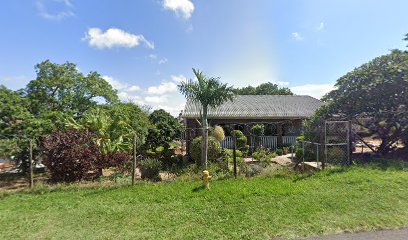
Joseph Business School is a Business schools establishment in Durban, KwaZulu-Natal, South Africa
Durban
KwaZulu-Natal
Everton, Durban
South Africa
Curriculum
Joseph Business School Africa (JBS) presents a structured, nine‑month entrepreneurial programme designed to be accessible to busy individuals through its part‑time format. The curriculum is delivered on a hybrid model, combining online components with on‑site teaching at the Durban region’s Hillcrest campus, enabling practical learning within a flexible schedule. Lectures are primarily held on Saturdays, with some mid‑week evenings to accommodate participants’ commitments.
The course comprises more than 30 modules, framed to equip students with essential business knowledge while integrating biblical principles. Core areas include identifying business opportunities, marketing and sales, the legal framework governing enterprises, information technology, and accounting and finance. The programme emphasises the practical application of theory, guiding learners to translate insights into real‑world business plans and ventures.
- Business opportunities and feasibility assessment
- Marketing, sales and customer relationship strategies
- Legal considerations and governance for small businesses
- Financial management, budgeting and risk planning
- Information technology and eBusiness fundamentals
- Human resources and organisational management
- Operations, logistics and project planning
- Strategic planning, business ethics and corporate responsibility
- Developing a compelling mission statement and business plan
- Presentation, analysis tools (e.g., PowerPoint and Excel) and practical entrepreneurship skills
Distinctive elements within the curriculum include action learning, field trips, and workshop days designed to foster hands‑on experience. The learning approach prioritises practical implementation, with an emphasis on producing a credible business plan that can support the launch or expansion of a student’s enterprise. The programme also integrates regular mentorship and opportunities to engage with a broader alumni network to sustain ongoing growth beyond graduation.
Learning resources are supported by a team of experienced faculty drawn from successful entrepreneurial practice and related professional fields. The faculty ethos combines market insight with spiritual guidance, reflecting the institution’s emphasis on faith‑driven entrepreneurship. In addition to academic instruction, the programme features prayer and spiritual support as a foundational aspect of unlocking individual and business potential.
Students benefit from a range of supplementary experiences designed to enrich understanding. An innovation centre and business intervention activities provide exposure to practical ecosystems, while field trips and workshop days offer immersive exposure to real‑world business environments. The programme also emphasises collaboration and peer learning through group activities and mentorship structures, connecting participants with a network that supports ongoing development and opportunities in the sector.
The curriculum supports both new business ventures and the scaling of existing enterprises. By the end of the nine‑month programme, participants are expected to have developed a comprehensive business plan and gained the capabilities to translate vision into actionable strategies. The blended delivery mode, combined with practical assessments and ongoing mentorship, aims to foster sustainable growth and community transformation in line with the school’s aim to “do business God’s way”.
Admission details indicate a consistent, structured pathway, with a fixed programme cost and a requirement to complete all terms for graduation. The curriculum is closely aligned with the school’s accreditation framework, reinforcing its commitment to recognised standards while maintaining a practical, faith‑based focus for aspiring entrepreneurs across Durban and the wider region.
Faculties and Branches
The Joseph Business School Africa (JBSA) operates with a dedicated faculty drawn from seasoned entrepreneurs and professionals who bring practical insight to the curriculum. The faculty profiles emphasise real-world experience across business disciplines, including leadership, finance, marketing, law, and strategy. This mix supports the programmes’ aim to blend biblical principles with practical business execution, ensuring learners can translate theory into impact in their communities and markets.
Within the JBSA framework, the faculty is complemented by a network of mentors and practitioners who contribute to the course through group and individual mentorship. This approach supports ongoing development beyond the classroom, fostering an engaged alumni community that helps graduates apply concepts, refine plans, and pursue growth opportunities after completion of the nine-month programme.
The school presents its educational offering as a unified entrepreneurship programme rather than isolated departments. The curriculum encompasses core business competencies—opportunity recognition, marketing, finance, legal considerations, information technology, and human resources—underpinned by a faith-driven perspective. The faculty-led instruction is designed to help participants formulate viable business plans and to equip them with practical tools for implementation, field projects, and workshop-style learning experiences.
Campuses, branches and centres
Joseph Business School Africa operates with a blended delivery model that combines online and on-site learning. The programme is described as a nine-month, part-time course with lectures delivered on Saturdays and occasional mid-week evenings. A hybrid online format is highlighted for the 2026 enrolment cycle, allowing flexibility for students who balance study with other commitments. The stated campus location for the on-site component is Hillcrest, Durban, which situates the programme within KwaZulu-Natal’s Dolphin Coast–Durban corridor. This Durban presence is positioned to support local access to the JBSA curriculum while enabling broader participation through its online components.
In addition to the Durban location, JBSA emphasises an online learning pathway and a campus-inclusive approach, indicating that facilities and innovative spaces (such as a state-of-the-art innovation centre for action learning) supplement the instructional experience. The combination of campus and online modalities supports a wider reach across South Africa and aligns with the programme’s practical emphasis, field trips, and workshop days designed to reinforce business competencies in real contexts.
Programmes offered through JBSA focus on doing business God’s way, with pronunciation and emphasis on mission-driven entrepreneurship. The nine-month structure requires steady engagement and culminates in a certificate of completion. The association’s accreditation framework—recognised both in the United States and South Africa—underscores the breadth of JBSA’s instructional network and its commitment to rigorous delivery across branches and delivery modes.
For prospective students, the JBSA site points to the online application process and the “Entrepreneur Academy” pages to illustrate how the school’s structure supports access, instruction, and progression. Additional information about specific faculties and their current research or industry engagements is available through the faculty profiles and programme pages on the official website. More details on campus offerings, timelines, and registration can be found at the JBSA homepage and the Entrepreneurship Programme section: Entrepreneur Academy.
Registration Details
The Joseph Business School Africa (JBSA) invites prospective students to join its nine‑month programme, designed to be undertaken on a part‑time basis. The formal registration process is set out to helps applicants understand what is required to secure a place on the Entrepreneurship Programme and to begin the journey of learning how to do business God’s way. The overall aim is to equip entrepreneurs with practical business skills complemented by biblical principles, with the intention of empowering communities and supporting transformation in the marketplace.
Application process overview: Interested candidates start with an online application. The process requires submitting an online application form and progressing through the admissions steps outlined on the JBSA site. A non‑refundable application fee is payable as part of the initial submission. Upon successful submission, the applicant is guided to a secure payment gateway to complete the application fee payment. This set of steps leads into the assessment phase for admission to the 2026 JBSA Entrepreneurship Programme.
Where to apply: Applications are accessed and submitted online via the JBSA website. The primary application portal is the Apply page, which includes a Start Application option. In addition, further information about the Enterprise Programme and registration can be accessed through related sections of the JBSA site, including the Entrepreneurship Programme pages. Useful entry points include:
- Apply Online
- Become an Entrepreneur – Entrepreneur Academy
- Joseph Business School Online 9-Month Entrepreneurship Program
Eligibility and entry requirements: The information available indicates that the programme is a nine‑month, part‑time course intended to accommodate a broad audience of aspiring and current entrepreneurs. Specific formal entry requirements (such as matriculation or language competencies) are stated on the site as part of the course materials for prospective students. While exact prerequisites may be presented in the application materials or brochure, the published details emphasise a focus on individuals who wish to learn how to conduct business God’s way and who can commit to the 9‑month schedule and associated learning format.
Documents typically required: The site describes the application process and related requirements, including a petition for admission and a recommendation element in some versions of the application. A short motivational essay or personal recommendation for admission is noted in some application sections. Applicants should be prepared to complete the application form, supply a personal statement or motivation, and provide any required recommendations as part of the admission process. Financial information indicates the total programme cost (R54,997) and the deposit requirement; this helps applicants understand financial planning for the course.
Costs and funding: The programme cost is listed as R54,997, with options for payment plans or paying the full amount upon acceptance. A non‑refundable deposit is typically required to secure a place on the programme. The site also notes that a hybrid online format is available for 2026, with a deposit of R5,500 payable before commencement. Prospective students should review the latest fees and payment options on the Apply and Programme pages before submitting an application.
Contact and support channels: The JBSA site provides links and pathways to inquire or obtain more information through its online channels. While direct telephone numbers and personal emails are not included here, the site offers contact through embedded links and site navigation for further assistance, including the Apply portal and programme pages. Prospective students are encouraged to use the online application and the associated guidance resources to receive responses regarding admissions and next steps.
Programme start dates and schedule: The published materials indicate a March start for programmes in 2026, with modules delivered across Saturdays and occasional mid‑week sessions. The course runs for nine months, culminating in a certificate of completion upon successful graduation. Applicants should plan around the stated start dates and calendar for the hybrid delivery format, as described on the programme pages.
Overall, the Registration Details section presents a procedural path from online application to admission, including fee payment, eligibility considerations, and the key information needed to enrol in the Joseph Business School Africa Entrepreneurship Programme.
Sorry, no records were found. Please adjust your search criteria and try again.
Sorry, unable to load the Maps API.
Education and Resources in Durban, KwaZulu-Natal
Durban, as a coastal city in KwaZulu-Natal, offers a broad spectrum of educational opportunities that cater to learners at different stages of development. The area supports a mix of formal schools, further education colleges, universities, and dedicated training centres, each contributing to a diverse educational ecosystem. Prospective students and families can expect access to institutions that emphasise both academic study and practical skills, along with a range of support services designed to assist learners throughout their educational journeys.
For school-age learners, Durban hosts numerous primary and secondary schools that align with national curricula and regional expectations. These institutions typically provide core academic subjects, alongside programmes in arts, sciences, and languages. Many schools also offer additional support through remedial classes, language assistance, and learning support services to accommodate varying needs. Parents commonly encounter school-based activities that promote holistic development, including sport, arts, and community projects, which help to foster teamwork, discipline, and resilience.
Beyond the school gates, further education and training are accessible through local colleges and technical institutions. These settings often present a range of programmes designed to bridge school study and the workforce, including certificate courses, diplomas, and careful progression pathways into higher education. Vocational and career-focused offerings frequently cover sectors such as engineering, information technology, hospitality, and health sciences, with practical components that emphasise hands-on learning and employability. Flexible delivery options, including part-time study and blended learning, can be found to accommodate adult learners and those balancing other commitments.
Durban is also home to several higher education establishments, most notably the University of KwaZulu-Natal (UKZN) and the Durban University of Technology (DUT), among others in the wider KwaZulu-Natal region. These universities provide undergraduate and postgraduate programmes across faculties such as humanities, sciences, business, health sciences, and engineering. In addition, research centres and student services contribute to a well-rounded academic experience, offering libraries, study spaces, tutoring, and career guidance. For those seeking applied or professional tracks, postgraduate diplomas and specialised master’s programmes are commonly available, alongside opportunities for credit-bearing short courses and professional development.
Student services and resources play a key role in the Durban education landscape. Libraries across institutions provide access to books, journals, and digital databases, while study support centres offer tutoring, writing assistance, and study skills workshops. Academic advising and admissions offices guide learners through course selection, registration, and progression planning. Disability support and inclusive learning services are typically available to ensure access to education for all students, including modified assessments, assistive technologies, and accommodation arrangements where appropriate.
Facilities range from well-equipped laboratories and computer suites to sports complexes and performing arts venues. On-campus accommodation is available at some tertiary institutions, with options designed to support both local and international students. Safe and supportive campus environments are reinforced by student welfare services, counselling, and peer support networks, contributing to a constructive study atmosphere and personal development.
Typical pathways begin with early-year guidance at schools or open days at colleges and universities. Prospective learners register for chosen programmes, complete necessary documentation, and meet any applicable entry requirements. Where required, bridging or foundation courses may be offered to align learners with programme prerequisites. Throughout the educational journey, learners can access advice on progression opportunities, scholarships, and career planning to help translate studies into further study or employment.
Resources at a glance
- Schools offering core subjects, arts, sciences, and sport
- Colleges and training centres with vocational and certificate pathways
- Universities providing undergraduate and postgraduate study
- Libraries, laboratories, learning support, and career services
- Accommodation options and campus facilities
- Admissions guidance, study planning, and progression routes
Overall, Durban’s educational landscape supports a wide range of learner needs, presenting opportunities for secondary schooling, further education, and higher study within a supportive urban setting. Access to reputable institutions, diverse programmes, and comprehensive student services underpins the city’s capacity to nurture ambitious learners and families pursuing education in KwaZulu-Natal.