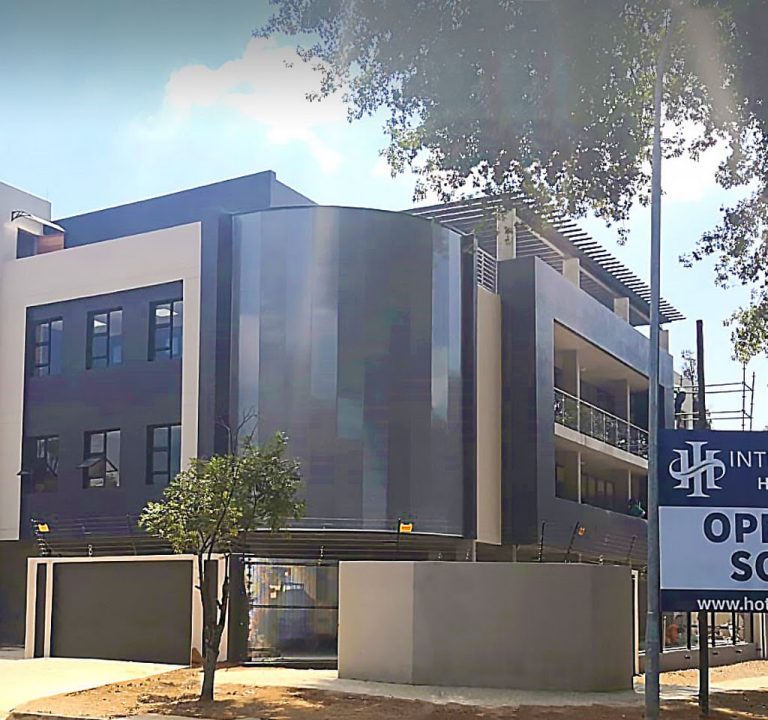

International Hotel School – Benoni is a Educational institutions establishment in Benoni, Gauteng, South Africa
Benoni
Gauteng
1514
South Africa
Curriculum
The International Hotel School – Benoni presents a diverse set of hospitality-focused programmes designed to equip students with both practical capability and theoretical understanding. The curriculum is structured to cover core hospitality disciplines at undergraduate and professional levels, while emphasising work-integrated learning to ensure graduates are ready for employment in leading establishments. The school collaborates with internationally recognised bodies to align its offerings with global standards, placing substantial emphasis on real-world application and industry relevance.
Across programmes, the curriculum combines industry-linked coursework with extensive hands-on training. The school highlights its ability to provide nationally registered and internationally recognised qualifications, with learning reinforced through practical experience gained in reputable hospitality environments. This approach supports graduate employability and mirrors contemporary workplace expectations, ensuring that graduates can transfer classroom learning into day-to-day operations in hotels, resorts, and culinary venues.
Areas of study are designed to reflect the breadth of the hospitality and culinary sectors. While specific course lists are not provided here, the curriculum encompasses hospitality management concepts, culinary arts and pastry skills, and related disciplines that prepare graduates for roles in both front-of-house and back-of-house operations. The curriculum philosophy stresses the integration of management theory with practical competencies, enabling learners to understand service standards, operations, financial management, human resources, and guest experience within a global context.
Learning resources and partnerships form a distinctive feature of the curriculum. Affiliation with Sommet Education connects programmes with Glion, Les Roches, and École Ducasse, enabling access to international expertise in hospitality management and culinary arts. The involvement of École Ducasse specifically informs French culinary and pastry arts training, reflecting a commitment to high-end technique and global recognition. The curriculum also integrates AHLEI (American Hotel & Lodging Educational Institute) materials, positioning graduates to demonstrate practical skills that meet international industry expectations.
Delivery methods reflect modern trends in higher education. The school emphasises practical training in leading hospitality establishments, reinforcing classroom theory with substantial on-site experiences. While online or blended options are mentioned in the broader institutional context, the emphasis remains on work-integrated learning and immersive experiences that mirror real-world operations. For learners seeking flexibility, the institution notes options related to online learning and short courses, which are supported by appropriate financial arrangements and progression pathways.
Short courses and professional training form an important component of the curriculum ecosystem. These offerings enable professional development, upskilling, and targeted credentials in specific hospitality domains. The inclusion of short courses aligns with the aim of broadening access to industry-relevant training and supporting ongoing career advancement beyond traditional degree programmes. Visitors to the school’s site can explore ancillary qualifications and industry-backed credentials through linked resources and partner organisations.
Student support and progression frameworks underpin the curriculum. The institution advocates employment support through programmes such as Beyond Grad, dedicated to assisting graduates as they transition into the workforce. Financial guidance, early enrolment discounts, and flexible payment options are highlighted as supportive measures that help learners navigate study costs while focusing on academic and professional outcomes. The curriculum therefore operates within a holistic student experience, combining academic learning with career development services and financial planning assistance.
Distinctive learning resources arise from affiliations with international hospitality leaders. The network with Sommet Education, together with École Ducasse and AHLEI, provides access to globally recognised credentials, teaching materials, and reputation-enhancing qualifications. This international orientation enhances the curriculum by exposing students to cross-border standards and diverse culinary and management philosophies, preparing graduates to work in South Africa or abroad with confidence.
Overall, the Curriculum at International Hotel School – Benoni emphasises practical readiness, international alignment, and a structured pathway from study to employment. By weaving together foundational business and hospitality knowledge with high-calibre craft training and substantial work experience, the school aims to produce graduates who are job-ready, adaptable, and equipped to contribute to a dynamic global hospitality industry. More information about specific programme names, modules, and entry requirements can be found through the institution’s admissions and accreditation resources, which outline the recognised status and international affiliations that shape the curriculum.
Faculties and Branches
International Hotel School – Benoni operates within a broader, internationally centred network dedicated to hospitality management and culinary arts education. While campus-specific departmental titles are not distinctly enumerated on the publicly available pages, the institution presents a clear division into two primary strands of study: Hospitality Management and Culinary Arts. These strands are supported by a suite of related academic and professional services that together form a coherent framework for undergraduate, diploma and higher certificate qualifications registered with national authorities and internationally recognised partners.
As a member of Sommet Education, the school sits within a trio of leading institutions that collectively shape its organisational structure and programme design. Sommet Education links the Benoni campus with two renowned hospitality business schools—Glion Institute of Higher Education and Les Roches—alongside the culinary and pastry arts school École Ducasse. This affiliation signifies an emphasis on integrating business-oriented hospitality education with advanced culinary training, enabling a continuum from foundational skills to management competencies and specialised gastronomic expertise. The arrangement also provides access to international curricular frameworks, faculty development opportunities, and shared learning resources, reinforcing the Benoni campus’s capacity to deliver globally recognised qualifications.
Programmes are delivered in collaboration with international certification and accreditation bodies to ensure substantive industry relevance. In particular, affiliations with the American Hotel & Lodging Educational Institute (AHLEI) are highlighted as a distinguishing feature, since AHLEI accreditation helps align the school’s diplomas with internationally recognised standards for hospitality management. Additionally, the institution maintains links with École Ducasse for culinary certifications, reflecting a distinctive pathway for culinary arts education that emphasises French culinary techniques and excellence. These partnerships underscore a programme architecture that bridges practical in-work training with academic theory and international benchmarks.
From an academic governance perspective, the school’s offerings are registered and quality assured through South African and international bodies. Local accreditation and registration with the Department of Higher Education and Training (DHET), the Council on Higher Education (CHE), and the Quality Council for Trades and Occupation (QCTO) for occupational qualifications provide the formal structure for the programmes. The inclusion of CATHSSETA accreditation for certain Traineeship and Culinary Arts programmes further demonstrates the school’s commitment to sector-specific credentials and work-integrated learning. Qualifications including degrees, diplomas and higher certificates are registered with SAQA, ensuring alignment with national standards and international recognition where applicable.
While specific campus facilities within Benoni are not itemised in the public materials, the site describes a student services ecosystem designed to support employability and professional development. Notable pathways include Beyond Grad, an employment support programme, and international work-experience opportunities secured through industry partnerships. The overall model is oriented toward graduate employability, practical work experience within leading hospitality establishments, and a robust progression from entry-level study to industry-ready roles. The Benoni campus thus operates as part of a scalable, globally connected framework that integrates classroom learning, hands-on training, and professional networking.
For prospective students seeking further details about campus arrangements, programme entry points, or the specific alignment of faculties with particular courses, the institution’s official site provides access to admissions information, registrations and accreditations, as well as direct links to international partners and student support services. Visitors are encouraged to explore the parent site for the most current information on how the Benoni campus relates to the broader Sommet Education network and the associated learning opportunities that underpin a career in hospitality management or culinary arts.
For more details on programmes and partnerships, see the International Hotel School pages at hotelschool.co.za.
Registration Details
The International Hotel School – Benoni, located in Benoni, Gauteng, South Africa, outlines a clear pathway to enrolment that aligns with its emphasis on work-integrated learning and industry accreditation. Prospective students are guided towards a process that emphasises practical preparation, financial planning, and alignment with recognised national and international standards. The information available emphasises accredited programmes, supported by industry partnerships and a structured progression from application to graduation.
Application and registration overview
Initial steps centre on applying to begin the chosen hospitality or culinary programme. The school provides a dedicated online entry point to commence the application process. This is presented as the first stage in the registration sequence, after which prospective students receive information about enrolment paperwork, financial guidance, and a dedicated pathway to secure a place on the programme. The process is designed to be straightforward, with support offered to help navigate the required steps and requirements.
Where to apply (links and references)
- Online application portal: Apply Now
- Information on registrations and accreditations: Registrations and Accreditations
- Beyond Grad employment support and industry opportunities: Beyond Grad
- International Work Experience opportunities: International Work Experience
- Money Back Guarantee information: Money Back Guarantee
- International Students Guide (downloads): International Students’ Guide
Eligibility and entry requirements
The school highlights that qualifications are nationally and internationally accredited, with emphasis on work-based learning and recognised accreditation bodies. For international applicants, the requirement is to obtain a valid study visa and meet the standard criteria for South African study visas. Language of instruction is English, and language assessments may be considered for those whose first language is not English. The general approach is to assess applications individually to determine suitability for the programme and compliance with relevant entry criteria.
Documents typically required (as stated or implied)
While specific documents are not enumerated in detail within the accessible sections, the information implies standard enrolment documentation tied to the application and visa processes. For international students, there is instruction to present a valid passport, study permit, proof of medical cover, and evidence of financial ability to meet fees. In practice, prospective applicants should be prepared to provide documentation supporting identity, prior qualifications, and financial arrangements as part of the admissions process.
Contact and support channels
Guidance and assistance during the application and registration stage are described as available from education consultants at each campus. For direct navigation and additional help, the site provides a “Contact Us” option and links to relevant sections for further information and support. Accessibility to online resources is emphasised through the Apply Now portal and the various information pages listed above.
Sorry, no records were found. Please adjust your search criteria and try again.
Sorry, unable to load the Maps API.
Education and Resources in Benoni, Gauteng
Benoni, situated within Gauteng, offers a broad spectrum of educational opportunities that serve diverse learner needs. The area provides a mix of primary and secondary schools, inclusive independent schools, practical training centres, and nearby higher‑education institutions within reach of daily commutes or short journeys. Alongside classroom study, learners and families can typically access community facilities, libraries, and programmes designed to support progression through different stages of education.
Primary and secondary education in the Benoni region commonly spans state and non‑state options, including government‑funded schools and independent establishments. Schools frequently emphasise core curricula aligned with national standards, alongside additional language support, arts, sport, and enrichment activities. Many institutions also offer pupil welfare services, guidance programmes, and transition planning to assist learners as they move from junior to senior phases of schooling.
For those seeking vocational training or further education, the surrounding area features further education and training (FET) offerings and technical training centres. These programmes typically cover certificate and diploma pathways in fields such as information technology, business administration, engineering studies, hospitality, and health sciences. Courses are often designed to be modular and career‑relevant, with options for part‑time study to accommodate work or family responsibilities. Local arrangements may include partnerships with nearby colleges and employers to support practical experience and workplace exposure.
Higher education access is supported by a range of universities and campuses in Gauteng. While institutions may be outside Benoni proper, many students benefit from transfer routes, articulation agreements, and campus facilities within practical travelling distance. Common higher‑education routes include undergraduate degrees, diplomas, and applied programmes, complemented by continuing professional development (CPD) opportunities and short courses that respond to labour market needs.
Learning support and student services mark a notable feature of the educational landscape. Libraries and learning centres are typically well equipped with lending collections, computer workstations, study rooms, and access to digital databases. Student support often includes academic tutoring, language development, career guidance, and assistance for learners with special educational needs. Universities and colleges frequently offer student services focused on mental health, accommodation advice, financial aid information, and registration assistance to ease the transition into higher education or training.
Facilities commonly encountered in Benoni and the surrounding area include modern laboratories for science and technology, computer laboratories with internet access, and well‑matched sports and recreation facilities. Some campuses provide on‑site accommodation or nearby student housing alternatives for learners who relocate for study. The availability of safe transport links and accessible campus routes is typically highlighted in planning and information resources to support diverse learner populations.
Admissions and registration processes in Benoni generally follow a high‑level pattern: prospective students apply through the relevant school, college, or university, submit any required documentation, meet age or qualification thresholds, and observe key registration or enrolment periods. Documents may include identity verification, prior academic records, and, where applicable, language or placement assessments. It is common for institutions to offer information sessions, campus tours, and online portals to assist families in planning next steps and understanding funding or fee arrangements.
For further information about national education policy, standards, and public resources, official portals can provide guidance on curricula, assessment frameworks, and learner support programmes. Examples include national education authorities and local government education pages, which also point to regional resources and opportunities for families exploring Benoni’s educational landscape. Department of Basic Education and City of Ekurhuleni pages offer broad context and local guidance that can aid planning and decision‑making.
- Typical programmes and levels: primary and secondary schooling, national curricula, vocational certificates, diplomas, undergraduate degrees, and CPD short courses.
- Learning support: academic tutoring, language development, disability services, career guidance, and mental health resources.
- Facilities and resources: libraries, digital learning environments, science and computer laboratories, sports and recreation facilities, and accommodation options.
- Pathways: streamlined admissions processes, placement tests, registration windows, and guidance on funding or bursaries where available.