Hydro International College is a Colleges establishment in Edenvale, Gauteng, South Africa
Edenvale
Gauteng
&, Edenvale
South Africa
Curriculum
Hydro International College in Edenvale, Gauteng offers a structured curriculum across beauty, massage, hairdressing and nail technology programmes. The full-time courses explore comprehensive pathways such as the National Diploma in Health and Skincare, the National Certificate in Beauty & Nail Technology, the National Certificate in Hairdressing, Massage Technology, Professional Make-up Artistry, and the broader Hair and Beauty (formerly Cosmetology). These programmes are designed to equip learners with practical competencies and industry-relevant knowledge, preparing them for professional roles in beauty therapy, skincare, and related beauty disciplines.
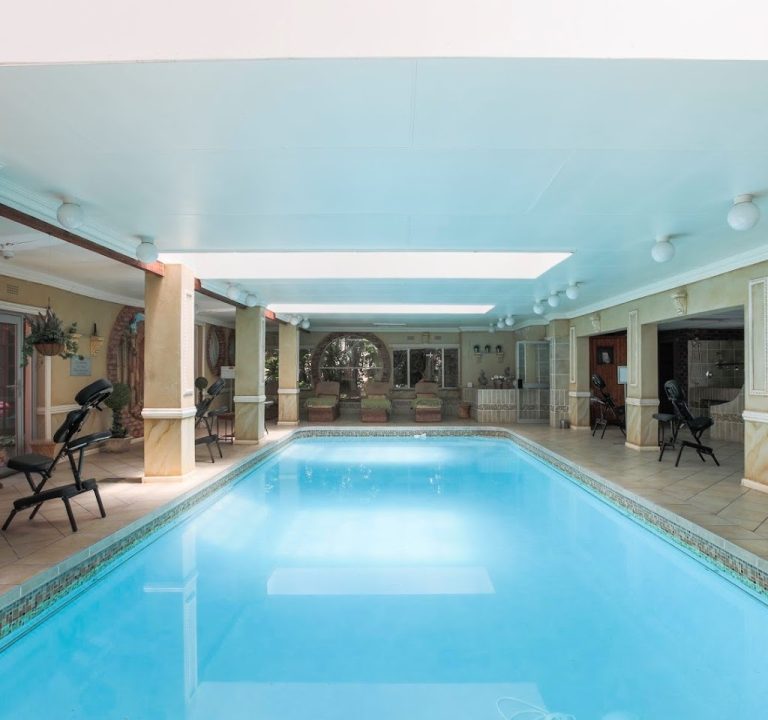
The college emphasises a holistic and practical approach to learning. In addition to theoretical study, students engage with hands-on training in a dedicated spa-style environment and state-of-the-art facilities. The curriculum integrates advanced treatments, including facials, waxing, dermaplaning, laser hair removal, and other contemporary beauty modalities, to foster a well-rounded skill set across somatology and aesthetic treatments. A distinctive feature is the incorporation of in-house salon training, which blends qualification-specific theory with real-world, practice-based experiences to reinforce learning outcomes.
Across full-time and part-time offerings, the college maintains a focus on versatility and progression. Part-time programmes provide flexibility for learners who wish to augment existing skills or pursue shorter, skill-specific courses. Those courses span eyelash extensions, nail technology, microblading, and various massage modalities, among others. The part-time options are designed to fit into busy schedules while delivering practical, hands-on instruction in traditionally popular beauty disciplines.
Hydro International College also promotes short courses and professional training that cater to individuals seeking targeted skills or enrichment. These include a range of massage therapies—such as Swedish, Indian Head, Hot Stone, Bamboo, Shiatsu, Infant Massage, and Lomi-Lomi—with clear emphasis on technique and client care. Additional courses cover facial treatments, tinting and shaping, manicure and pedicure, and make-up artistry, offering entry points for beginners as well as avenues for further specialisation.
Curriculum delivery is complemented by accreditation and recognition from national bodies. The college states national accreditation by SERVICES SETA, along with DHET registration, underscoring a commitment to recognised qualification standards. This framework supports learner mobility within South Africa’s beauty and wellness sectors and aligns programmes with unit standards that reflect industry expectations.
In terms of learning resources and support, Hydro International College highlights its modern facilities and expert faculty. The combination of purpose-built training spaces and experienced instructors provides a practical, industry-informed learning environment. The inclusion of hands-on salon experience and access to up-to-date equipment helps learners translate classroom knowledge into real-world service delivery.
For learners exploring online or blended study options, the college’s materials indicate flexible learning arrangements, particularly through part-time and short courses. While most practical training occurs on campus in Edenvale, the emphasis on flexible study paths suggests opportunities to tailor a programme to individual circumstances where possible.
Distinctive resources cited by the college include a dedicated campus with professional spa environments and the capacity to offer an International Award in Hairdressing (levels 2 and 3) as part of the National Certificate in Hairdressing. These features point to an emphasis on industry-aligned competencies, practical mastery, and international recognition of certain qualifications.
Disciplines and progression pathways at Hydro International College are designed for learners aiming to launch or advance careers in beauty therapy, skincare, massage, hairdressing, makeup artistry, and nail technology. Prospective students can explore the breadth of full-time and part-time options through the college’s programme pages and enquiry channels.
- National Diploma in Health and Skincare
- National Certificate in Beauty & Nail Technology
- National Certificate in Hairdressing
- Massage Technology
- Professional Make-up Artistry
- Hair and Beauty (Cosmetology)
- Part-time: Eyelash Extensions, Nail Technology, Microblading, among others
Further information and details on course content, fees, and entry requirements are available on the college’s website at the links provided, including pages dedicated to full-time and part-time courses as well as individual course descriptions.
Faculties and Branches
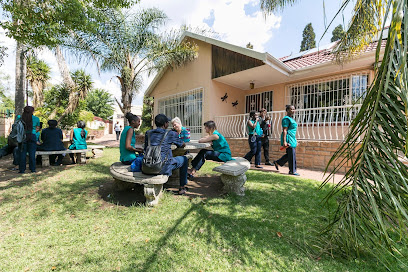
Hydro International College operates from a dedicated campus in Edenvale, Gauteng, South Africa, offering a specialised programme portfolio across beauty, massage, hairdressing, and nail technology. The institution presents itself as a centre for practical, industry-aligned training in a professional spa environment, designed to mirror real-world service settings for beauty and wellness professionals.
In terms of academic structure, the college encompasses several subject areas aligned with industry recognised qualifications. The core areas typically include:
- Beauty therapy and cosmetology (covering facial treatments, body treatments, skincare, and related therapies).
- Hairdressing and hair-related treatments (including techniques applicable to diverse hair textures).
- Massage therapy and massage technology (featuring modalities such as Swedish, Indian Head, Hot Stone, and other modalities).
- Nail technology and manicure/pedicure services, along with allied beauty treatments.
- Make‑up artistry (professional make‑up for theatre, television, fashion, and events).
The college differentiates its offerings through flexible delivery options. Both full‑time and part‑time courses are advertised, with classes conducted on-site in Edenvale. Part‑time courses are described as designed to fit around students’ schedules, with in‑person attendance required at the Edenvale campus. This structure supports learners pursuing vocational qualifications while balancing other commitments.
Programs are presented as nationally recognised and accredited, with a focus on practical skills and real‑world application. The curriculum includes diploma and certificate qualifications, alongside opportunities for specialised study within beauty, hair, and massage disciplines. Examples of full‑time programmes include pathways such as a Health and Skincare Diploma and various National Certificates in Beauty & Nail Technology, Hairdressing, Massage Technology, and related disciplines. Additional modules and specialised courses are available through part‑time offerings, including lash extensions, nail technology, microblading, and other beauty services.
The relationship between faculties and student services is evident in the emphasis on hands‑on training within state‑of‑the‑art facilities. The campus environment supports demonstrations, practical sessions, and supervised practice in a professional setting, reinforcing the connection between theoretical study and employability. Information about enrolment, tours, and course details is accessible via the college’s website, enabling prospective students to explore relevant programmes and plan their pathways accordingly.
Though specific departmental titles are not always listed on the site, the described faculties—Beauty, Hair, Massage, Nail Technology, and Make‑up Artistry—illustrate a cohesive framework designed to prepare learners for careers across aesthetics, cosmetology, and wellness sectors. The Edenvale campus acts as the central hub for delivery, student services, and practical training, with additional online and flexible learning options mentioned in broader institutional descriptions.
For further information on available courses and delivery modes, prospective students can consult the Hydro International College website, including pages detailing full‑time and part‑time offerings, as well as the campus section for arrangements such as enrolment procedures and campus tours.
Registration Details
Hydro International College presents a straightforward pathway for prospective students to join its beauty, massage and hairdressing programmes, based at the Edenvale campus in Gauteng. An initial step commonly encouraged by the college is to book an enrollment interview and campus tour, providing an opportunity to discuss course options and campus facilities in person. Visitors can initiate contact via the “Send Message” option on the college’s site, or by sending a message through the available online channels to receive guidance on the registration process.
Registration and application steps are generally outlined through the college’s course pages and communication channels. Interested applicants are advised to explore the full-time and part-time offerings to determine suitability and intake timing. Each full-time programme page outlines the course structure and the corresponding fees, registration terms, and payment schedules, while part-time courses describe their own formats and costs. Where applicable, links to individual course details allow applicants to review the specific requirements and progression routes for each qualification.
To begin the process, prospective students should select a course of interest and use the online contact options to request further information or to arrange a meeting. The college provides direct online pathways to engage with staff, including a “Send Message” function and a WhatsApp contact option for quick information. These channels are designed to support applicants through the initial enquiry, enrolment interview and campus tour arrangements, and to begin the formal registration conversation.
Where applicable, applicants are encouraged to consult the following online resources for detailed information on available programmes and registration particulars:
- Full-time courses overview and individual programme pages (for example, National Diploma in Health and Skincare, National Certificate in Beauty & Nail Technology, National Certificate in Hairdressing, Massage Technology, Professional Make-up Artistry, and Hair and Beauty). Links to these pages can be found on the Hydro International College site’s full-time section.
- Part-time courses overview and individual modules (including Eyelash Extensions, Nail Technology, Microblading, and other short courses). Detailed course fees and structure are listed on the part-time course pages.
- General contact and messaging options on the main site, including “Send Message” and WhatsApp contact for more information.
Notes on fees and payment: course fees, registration fees, deposits and payment terms are typically stated on the relevant course pages. It is advised that prospective students review these details on the specific programme pages to understand the financial terms before proceeding with registration. Registration and course fees are described as non-refundable on several programme pages, where stated.
For additional support during the process, the college’s online chat and messaging services are available to provide guidance and answer questions about eligibility, entry requirements, and next steps. Access to these channels is available through the college’s website, including the live chat functionality powered by the site’s support system.
Apply or request more information via: Hydro International College, Send Message, and the college’s WhatsApp contact provided on the site. For direct programme exploration, see the links to full-time and part-time course pages listed on the site’s navigation. These resources collectively guide prospective students from initial enquiry through to enrollment and registration.
Sorry, no records were found. Please adjust your search criteria and try again.
Sorry, unable to load the Maps API.
Edenvale: Education and Learning Resources
Edenvale, a suburban hub on Gauteng’s eastern fringe, offers a varied landscape of educational options suited to different ages, aspirations, and learning styles. The area sits within reach of well-established schools, vocational centres, and access to higher education facilities in the broader Johannesburg region, creating a practical spine for families seeking consistent learning paths.
Within Edenvale itself and its surroundings, learners commonly encounter a mix of primary and secondary schools, including both public and independent institutions. These schools typically emphasise core curricula alongside elective subjects, language development, and structured assessment cycles designed to support progression. Where applicable, schools in the area provide extra-curricular programmes in sport, arts, and cultural activities, contributing to a well-rounded school experience. Independent and preparatory options may also be available for families seeking particular pedagogical approaches or school cultures.
For those looking beyond traditional schooling, the Gauteng region hosts a range of colleges and training centres offering vocational and technical programmes. Practical disciplines such as information technology, business studies, hospitality, and trades are commonly featured, with pathways designed to lead into apprenticeships, entry-level employment, or further study. These centres typically emphasise hands-on learning, industry-standard facilities, and work-integrated components to help learners acquire transferable skills in a competitive job market.
Higher education opportunities are accessible through universities and campuses within commuting distance. Students can typically explore undergraduate programmes across faculties such as science, humanities, commerce, engineering, and health sciences. While exact offerings vary by institution, general routes include bachelor’s degrees, diplomas, and professional programmes, often complemented by short courses and industry certificates. Information about admissions, visa requirements (where applicable), and registration periods is usually published by individual institutions and national authorities.
Learning support and student services are commonly available to help learners navigate their studies. Support may include academic tutoring, language assistance, study skills workshops, and access to learning resources. Schools and colleges frequently provide guidance on course selection, progression planning, and examination preparation. In higher education settings, libraries, study spaces, information technology services, and career guidance programmes form an important part of the student experience. Disability and special needs support services are typically available to enable inclusive access to education.
Facilities and resources across the Edenvale area often feature well-equipped libraries with digital resources and quiet study zones, science and computer laboratories, and specialised classrooms. Sports facilities, fitness centres, and outdoor recreation areas support the emphasis on holistic development and well-being. Some residential options and student accommodation may be offered by nearby institutions or partner organisations for learners moving from other towns or provinces, facilitating a stable study environment.
Typical pathways begin with admission or enrolment at the chosen institution, followed by course registration, orientation, and ongoing assessment. Guidance from schools and tertiary providers commonly covers subject choices, credit accumulation, and requirements for progressing to higher-level study or employment. Parents and guardians can expect clear information about timelines, fee structures where applicable, and available bursaries or financial aid through government schemes, institutions, or partner organisations.
For more information about education in South Africa and higher education admissions, resources are available from national bodies and official portals. These include general guidance on curriculum frameworks, recognition of qualifications, and continuous professional development for educators. Visitors to the area can explore local institutions and online platforms to understand current programmes, entry requirements, and the range of support services that help learners achieve their educational goals.
Further information can be accessed through official education portals and institutional websites, which provide updated details on programmes, admissions, and student support services relevant to Edenvale and the surrounding Gauteng region.