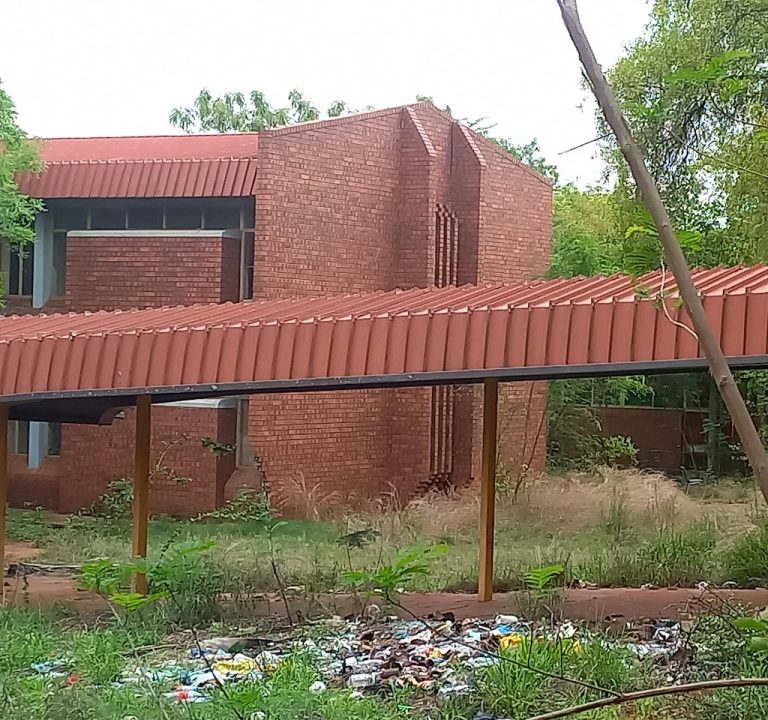
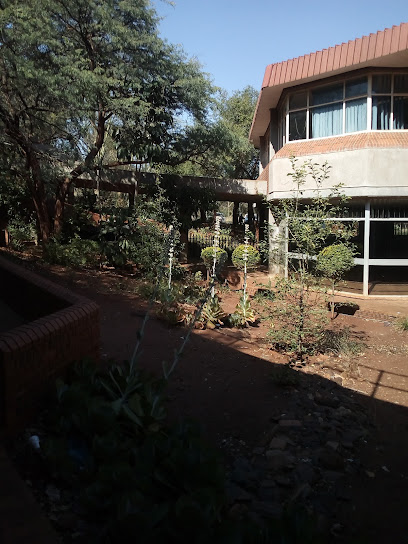
Giyani Education Multipurpose Centre(GEMPC) is a Community college establishment in Giyani, Limpopo, South Africa
Giyani
Limpopo
South Africa
Sorry, no records were found. Please adjust your search criteria and try again.
Sorry, unable to load the Maps API.
Education and Resources in Giyani, Limpopo
Giyani sits within a region of Limpopo that features a range of educational opportunities designed to serve learners and families at different stages. The local landscape typically includes a network of primary and secondary schools, alongside larger institutions that offer further education and training options. These settings emphasise foundational learning, directed study, and practical skills that align with local employment opportunities and community needs.
Primary schools in the area generally provide a foundation in core subjects, with a progression to secondary education for adolescents. Secondary schools often offer both general matriculation routes and more specialised tracks, providing learners with opportunities to prepare for higher education, vocational training, or employment. In many communities, school sites incorporate study support services, counselling, and programmes aimed at improving literacy, numeracy, and overall academic confidence. The emphasis is on developing essential competencies while fostering a positive attitude toward learning.
For those seeking post-secondary options, the region commonly hosts or is in proximity to public and private training centres and further education venues. Technical and vocational education and training (TVET) offerings frequently focus on practical disciplines such as engineering technologies, information technology, business studies, health sciences, and artisan trades. These programmes typically provide structured pathways from certificate to diploma levels, with a clear route to employment or further study.
University-level access in and around Limpopo is mediated through nearby campuses and distance-learning arrangements, enabling learners to pursue degrees in disciplines ranging from sciences and humanities to education and rural development. Where convenient, distance education provisions and blended-learning formats support students who balance study with work or family responsibilities. Students may also encounter outreach opportunities, such as placement programmes, internships, and community projects designed to apply classroom learning to real-world contexts.
Learning support and student services are commonly present across institutions in the region. These services may include academic tutoring, study skills workshops, reading and writing support, language assistance, and guidance on career planning. Counselling services, mental health resources, and disability support frameworks are typically available to help learners navigate challenges and stay engaged with their studies. Institutions frequently collaborate with local organisations to broaden access to learning and to foster a culture of lifelong education.
Facilities and resources associated with education in Giyani commonly feature well-equipped libraries or resource centres, science and computer laboratories, and technical workshops. Sport and recreation facilities are often intertwined with campus life or school campuses, providing opportunities for physical development and teamwork. Accommodation options can appear at larger colleges or universities, with on-site or nearby student housing contributing to a supportive living-learning environment. Where accommodation is not available on-site, information on safe, affordable housing and transport links is typically provided to assist families and learners in planning their education journey.
Typical pathways in this region involve an orderly progression from primary education to secondary schooling, followed by access to post-secondary qualifications through TVET colleges, universities, or accredited continuing education providers. Registration and admissions processes generally require documentation reflecting academic history, identity, and readiness for study, together with approvals from the relevant authorities or institutions. Many learners also pursue preparatory courses, bridging programmes, or language support to strengthen readiness for higher levels of study or professional certification.
In summary, Giyani presents a varied educational ecosystem that supports academic growth, vocational skill development, and lifelong learning. Families can expect a spectrum of institutions, practical programmes, supportive services, and facilities designed to nurture curiosity, resilience, and achievement across the community.
- Types of institutions: schools, TVET colleges, universities or university-affiliated programmes, and specialised training centres.
- Common programmes: general academic tracks, technical and vocational courses, business studies, information technology, healthcare-related training, and rural development disciplines.
- Facilities and resources: libraries or resource centres, laboratories, sport and recreation facilities, and accommodation options where available.
- Pathways: admissions and registration generally involve documentation of prior education, with supporting guidance and, where appropriate, bridging or preparatory programmes.