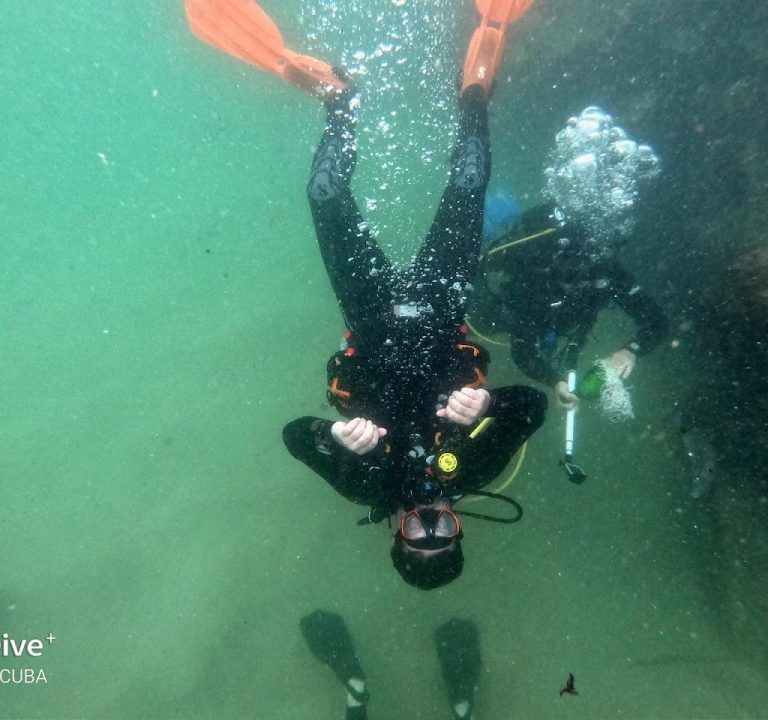
Garden Route Scuba is a Diving center establishment in Mossel Bay, Western Cape, South Africa
Mossel Bay
Western Cape
6506
South Africa
Curriculum
Garden Route Scuba operates as a 5‑star PADI IDC Dive Centre in Mossel Bay, delivering a comprehensive spectrum of scuba qualifications and professional development opportunities. The curriculum spans beginner experiences through to advanced professional training, with pathways designed to progress from entry‑level discovery experiences to instructor status. The centre emphasises practical skill development in real dive environments, supported by a strong emphasis on marine awareness and conservation through associated projects and partnerships.
Programmes and levels form the core of the curriculum. For recreational divers, the offering begins with Discover Scuba Diver, an introductory experience that enables a short‑term qualification under supervision. Open Water diver training provides a lifelong certification to 18 metres, followed by Advanced Open Water for divers seeking deeper exposure. For those pursuing leadership and rescue capabilities, the Rescue Diver course sits alongside Emergency First Response first aid training, forming a practical foundation for diver safety and self‑reliant skilling. Each programme focuses on core competencies, buoyancy control, navigation, and safety procedures, with gear included where stated.
Specialist and professional tracks extend the curriculum into advanced skill areas and industry qualifications. Short specialty courses are listed to enhance proficiency in areas such as enriched air nitrox, underwater navigation, deep diving, night diving, search and recovery, peak performance buoyancy, and other critical diving disciplines. These electives are positioned to fine‑tune expertise for divers who already hold entry‑level certifications, enabling targeted skill expansion within a broader scoping of the underwater environment.
Professional training forms a central pillar of the curriculum. The PADI Divemaster course is designed to train leaders who can supervise dive activities, assist instructors, manage safety and logistics, and conduct certain classroom and water‑skill components. The Divemaster pathway is complemented by the PADI Instructor Development Course (IDC), which prepares candidates to obtain the professional instructor rating and teach across the PADI system. These programmes emphasise a blend of theory, practical assessments, and real‑world application, aligned with PADI standards and international recognition.
The centre also runs a distinctive marine‑science oriented track: the Divemaster & Marine Biology Training Programme. This integrated offering combines Divemaster training with an introduction to marine biology concepts and projects, with opportunities for fieldwork and research experiences. It positions graduates for roles in the dive industry with a deeper environmental literacy, and potentially broader scientific pathways. The programme highlights field activities, data collection, and conservation projects designed to enrich résumés and practical understanding in marine science contexts.
Online and blended learning options are indicated in the wider offering. SAMSA approved skipper courses explicitly refer to flexible learning formats, including in‑person classes and online options, to accommodate varied schedules. This flexibility supports a broader cohort of maritime enthusiasts seeking formal certification in categories R, E and C, designed to extend navigational and safety competencies to inland and coastal operations.
Distinctive learning resources and experiential elements emerge within the curriculum. The marine biology integration, ocean conservation focus, and project‑based components provide hands‑on experiences alongside traditional certification routes. Participants may engage in related activities, such as field projects, data collection for Research or conservation projects, and access to learning within a 5‑star IDC setting. The programme highlights also underline opportunities for career‑relevant experiences, including potential work placements and collaboration with conservation initiatives in Mossel Bay and beyond.
In addition to formal qualifications, the curriculum promotes practical support for professional development and employability. Training elements cover dive planning, supervision, safety management, and briefing techniques, ensuring a thorough understanding of responsibilities in both recreational and professional contexts. The centre positions itself as a gateway to international opportunities, with PADI credentials recognised worldwide, and viable routes towards teaching, guiding, and leading dive programmes across diverse destinations.
Overall, the curriculum at Garden Route Scuba weaves together core diving qualifications with specialised interests in marine biology and professional leadership. It offers a coherent progression from introductory experiences to advanced certifications, complemented by flexible study options and enrichment through conservation‑driven projects and real‑world practice.
Faculties and Branches
Garden Route Scuba operates as a dedicated dive education and services centre based in Mossel Bay, Western Cape. Described as a 5-star PADI IDC Dive Center, the organisation functions as a single multispeciality hub rather than a traditional university structure. The site presents a cohesive set of faculties, programmes and services linked to underwater exploration, marine science outreach and professional diving qualifications, all located at and around the Mossel Bay site.
Under the core umbrella of Scuba Diving Education, the facility offers a full spectrum of PADI qualifications—from introductory experiences such as Discover Scuba Diver to professional credentials including Divemaster and Instructor levels. This broad span positions the establishment as a practical training campus for recreational divers, aspiring dive professionals and those seeking specialised maritime training, with a direct emphasis on hands‑on learning in local dive sites and shore entry options around Mossel Bay.
Within the Scuba Diving Education stream, several distinct programme lines are evident:
- Undergraduate‑style entry courses to professional pathways, including Open Water, Advanced Open Water and Rescue Diver credentials, enabling progression toward higher instructor‑level qualifications.
- Professional development routes such as the PADI Divemaster and the PADI Instructor Development Course (IDC), designed to prepare candidates for supervision, leadership and teaching roles within the global diving community.
- Specialty and advanced training options (e.g., Nitrox, Deep, Underwater Navigation, Night Diver, Search & Recovery, and Boat operations) to deepen technical skills for divers and prospective instructors.
Another principal strand is Pro Development, described as the professional diving qualification pathway, which includes Divemaster training and the Instructor Development Course. This branch emphasises teaching, leadership, safety, and programme administration in the context of diving instruction. The inclusion of practical workshops, familiarisation with dive operations, and opportunities to lead Discover Local Diving programmes underscores a professional‑practice focus designed to prepare candidates for international recognition.
The organisation also operates a Marine Biology Training Programme in conjunction with the Divemaster track. This branch blends dive leadership training with marine science concepts, enabling graduates to pursue further education in Marine Science or participate in research projects. The programme highlights research‑based experiences such as field data collection and collaborations with conservation initiatives, reflecting a commitment to ocean stewardship alongside vocational dive training. The Marine Biology focus occurs within the Mossel Bay setting, leveraging local ecosystems such as the region’s known marine habitats.
In addition to the education‑centric faculties, Garden Route Scuba maintains auxiliary services and programmes that enhance student support and practical experience. Services include guided dives, gear rentals, cylinder fills, and gear servicing, which collectively constitute the practical, on‑site resources available to learners and customers. The centre also provides information on related yachting and maritime training through separate sections, including SAMSA‑approved skipper courses and yachting‑oriented certifications, expanding the branch’s reach into maritime skills beyond scuba instruction.
Together, these elements form an integrated campus‑like structure centred on Mossel Bay, where learners access a range of faculties—Scuba Diving Education, Pro Development, and Marine Biology Training—alongside practical services and field experiences that connect academic‑style learning with real‑world diving and marine science practice. More information about individual programmes and pathways can be found via the site’s course and programme pages.
Registration Details
Garden Route Scuba in Mossel Bay provides a clear pathway for prospective divers and professionals seeking to train, qualify, or progress through PADI offerings. The registration process centres on selecting a suitable course from the on‑site courses roster, confirming entry requirements where applicable, and completing the formalities via the information and links published on the site. The organisation operates as a 5‑star PADI IDC Dive Centre, offering qualifications from Discover Scuba Diver up to Instructor level, with a focus on practical training delivered in Mossel Bay’s diverse dive environments.
The initial step for interested applicants is to review the available courses and programmes. The main courses page outlines a range of options, from entry‑level experiences to professional training, and links to more detailed information for each programme. Potential candidates are advised to consult the broader courses section to understand what is included (e.g., gear, certification) and to identify the most suitable entry point for current interests and qualifications. See the Courses section for an overview and direct links to individual course pages.
Where to apply and gather registration information is available through the Garden Route Scuba site. Applicants are encouraged to navigate to the central Courses page for access to course specifics and to follow the embedded links to individual programmes. The site includes direct routes to related offerings such as the Divemaster and Marine Biology Training Programme, the PADI Instructor Development Course (IDC), and other professional training tracks. For targeted programmes, clickable links such as “SEE LINK” or course titles will guide prospective registrants to further details and registration steps on the same site.
Eligibility and entry requirements are provided for specific programmes where stated. Notable examples include the PADI Divemaster course, which lists requirements such as a minimum age of 18, possession of a PADI Rescue Diver certification (or equivalent), a log of at least 40 dives, and recent CPR and First Aid training within the past 24 months. These prerequisites should be reviewed before attempting registration to ensure suitability and readiness for the programme. Other courses specify age limits or certifications as part of their entry criteria; where such details are stated, they should be confirmed on the corresponding course page prior to registration.
- Open Water and Advanced Open Water qualifications include standard prerequisites (minimum ages and gear inclusions are noted on the course pages).
- Specialty and professional tracks (e.g., Divemaster, Marine Biology Training Programme, IDC) provide programme‑specific eligibility criteria and timelines on their respective pages.
- Some programmes mention optional or bundled components (e.g., Emergency First Response, skippers training) that may affect registration scope and duration.
Documents typically required, when stated, are those associated with the specific course. Where the site mentions prerequisites, certifications, or dive experience, those elements function as the key eligibility documentation for registration. Prospective registrants should compile proof of required certifications (where applicable), age verification, and any medical or safety prerequisites indicated on the individual course pages. If a programme requires a medical clearance or special training (e.g., pre‑requisites for rescue or professional tracks), it is advised to secure these in advance of applying.
Contact and support channels are accessible through the website’s “Contact Us” area. The site aggregates channels such as a contact form via the main contact page to request information, with navigation guidance to reach the team for course enrolment or general queries. While direct email addresses and phone numbers appear in the public contact sections, this section recommends using the site's official contact page for all registration inquiries and to obtain the most up‑to‑date details. Social media links and the company’s presence on major platforms are also referenced for additional outreach.
In summary, registration at Garden Route Scuba follows a straightforward path: review the Courses page for the desired programme, follow the course‑specific links for detailed entry criteria and inclusions, prepare any required documentation, and submit the enquiry or registration through the site’s contact or registration channels. The site provides clear pointers to major training streams, including PADI Divemaster, IDC, and other professional routes, with direct access to further information via the linked course pages. For current opportunities, see the Courses section and the IDC page, or contact the studio through the official site.
Sorry, no records were found. Please adjust your search criteria and try again.
Sorry, unable to load the Maps API.
Education and Resources in Mossel Bay
Mossel Bay, a coastal town in the Western Cape, offers a range of educational opportunities for learners and families. The local landscape typically includes a mix of state-funded and independent schools, further education options, and access to tertiary pathways within the broader regional network. Across the town and its surrounding neighbourhoods, learners can expect mechanisms to support achievement, skills development, and personal growth.
Primary and secondary education commonly encompasses both public schools and private or independent institutions. These schools usually provide core curriculum streams aligned with national and provincial guidelines, with language of instruction often reflecting local linguistic needs. In addition to standard academic provision, schools frequently offer extracurricular activities, libraries, and on-site facilities designed to support well‑rounded development. Family involvement through parent associations and school governance bodies is a typical feature, contributing to school life and community engagement.
For those seeking vocational and technical training, regional options may include Technical and Vocational Education and Training (TVET) pathways and other career-focused programmes. TVET campuses and similar training centres commonly emphasise practical skills in fields such as engineering, information technology, hospitality, health sciences, and business services. These programmes are designed to equip learners with workplace-ready competencies, often incorporating work‑experience components or partnerships with local employers to enhance employability outcomes.
Further education and higher education access in Mossel Bay is supported by pathways leading to diplomas, degrees, certificates, and professional qualifications. Learners may engage with nearby universities or dedicated campuses within the Western Cape, as well as regional colleges that offer weekday, weekend, or intensive study options. Admissions processes typically involve standardised applications or registrations, verification of prior learning where applicable, and guidance on subject choices that align with intended career routes. Information on entry requirements and deadlines is commonly available through provincial education offices or individual institutions.
Learning support and student services are integral to the local education ecosystem. This can include language and literacy assistance, guidance counselling, and pathways planning to help learners navigate subject selection, examination timelines, and post‑school options. Academic support through tutoring, study centres, and accessible libraries underpins successful learning, while information technology resources—such as computer labs and online learning platforms—enable flexible study and research opportunities. Where relevant, accommodation options for students may be available at certain campuses or nearby housing providers, with considerations given to safety, affordability, and proximity to educational facilities.
Facilities across Mossel Bay typically emphasise a well‑rounded learning experience. Besides classrooms and laboratories, learners can expect sporting grounds, outdoor recreation spaces, and facilities for arts and culture. Access to reliable transport, safe walkways, and community hubs often supports daily study routines and broader engagement with the town’s educational and cultural life.
Common pathways through the education system in the Mossel Bay area involve progressing from school leaving qualifications to further study or direct entry into the workforce. Students may explore diploma or degree programmes, professional certifications, apprenticeships, or industry‑linked short courses. Guidance services, open days, and information sessions help prospective learners and families make informed decisions about subject choices, financial planning, and registration timelines.
- Varied institutions: public schools, independent schools, TVET centres, and nearby higher education facilities
- Learned programmes: secondary curricula, vocational training, diplomas, certificates, and degrees
- Support services: academic coaching, career guidance, libraries, and digital learning resources
- Facilities: laboratories, libraries, sports facilities, and student accommodation where available
- Pathways: registration and admissions processes, subject planning, and progression to further study or employment
Overall, Mossel Bay presents a practical blend of educational choices aimed at meeting the needs of learners and families. The town’s resources reflect a commitment to accessible learning, local skills development, and pathways that connect school-aged pupils to further study and meaningful work within the Western Cape and beyond.