Future Key Academy is a Education centers establishment in Bloemfontein, Free State, South Africa
Bloemfontein
Free State
9301
South Africa
Curriculum
Future Key Academy in Bloemfontein delivers a structured, classroom-based homeschooling programme for learners from Grade 4 to Grade 12. The centre follows the CAPS curriculum, as mandated by the Department of Education of South Africa, ensuring alignment with national standards while maintaining a private tutoring environment designed to support individual learning needs. Each learner benefits from a private classroom setting and small-group instruction, which enhances focus, pacing, and personalised guidance throughout the academic journey.
As an external observer notes, the academy emphasises a holistic approach to education. The curriculum combines rigorous subject coverage with strategies designed to build knowledge, skills and confidence. The CAPS-aligned study material is provided to students once admission is confirmed, forming the backbone of daily lessons and assessment preparation. Tutors tailor lessons to accommodate each learner’s pace and strengths, with the overarching aim of enabling steady progress across core subjects and the development of critical thinking and problem-solving abilities.
In practice, the programme centres on a structured daily routine within a supportive environment. The emphasis on small class sizes and personalised attention helps learners stay engaged, with tutors guiding coursework, monitoring progress, and preparing students for assessments and exams. The learning experience is complemented by a classroom-based structure that fosters collaboration, discipline and a sense of belonging, all of which contribute to sustained academic achievement and personal growth.
Beyond regular tutoring, Future Key Academy positions itself as a flexible option within Bloemfontein’s education landscape. While the primary focus is on Grade 4–12 curriculum delivery, the centre’s approach is adaptable to the individual requirements of learners and families seeking an alternative to traditional schooling. The programme is designed to be dependable and predictable, with a clear pathway through the South African curriculum framework while preserving the benefits of a tailored, mentor-supported learning atmosphere.
Short courses or professional development opportunities are described as part of the academy’s broader offering, including guidance on transitioning through the schooling years. The emphasis remains on practical outcomes—helping students gain the knowledge and confidence needed to thrive academically and beyond the classroom. Details on specific short courses, durations or fees are not listed publicly, but the structure supports enrichment opportunities within the CAPS-aligned framework and the personalised learning plan for each learner.
In terms of learning resources, the use of CAPS-aligned study materials ensures consistency with South Africa’s educational standards. Students access materials through the academy’s guided framework, with tutors providing ongoing feedback, targeted practice, and formative assessment to track progress. This resource-supported approach helps learners build a solid foundation in core subjects while developing study habits that will serve them in higher education or vocational routes.
Student support services are woven into the programme through dedicated tutoring staff and a nurturing environment designed to address individual learning styles. The academy emphasises not only academic achievement but also social interaction and personal development, recognising that successful education extends beyond content mastery. The smaller classroom setting facilitates ongoing communication between tutors, learners and families, contributing to a collaborative partnership focused on student success.
- Programmes/levels: CAPS-aligned curriculum for Grade 4–12, private classroom-based teaching, small-group instruction.
- Areas of study: Core subjects aligned with CAPS (as provided by the academy’s study materials), with a focus on knowledge, skills and confidence for academic success.
- Curriculum approach: Structured daily schedule, personalised lesson planning, and continuous assessment within a private tutoring framework.
- Short courses / professional training: Enrichment and transition guidance within the CAPS framework; specific course details are not listed publicly.
- Online or blended options: Information not explicitly stated; emphasis remains on in-person, tutor-supported learning in a private classroom setting.
- Extracurricular / student support: Emphasis on social interaction, collaboration and personal development within a supportive learning community; tutors provide individualised guidance and progress monitoring.
- Distinctive resources: CAPS-aligned study materials, private classroom environment, and a structured curriculum delivery model designed to complement personalised learning.
For families considering alternatives within Bloemfontein, Future Key Academy presents a dedicated, standards-aligned option that prioritises individual attention, a calm learning environment and a partnership-driven approach to education. Further information about admissions and the detailed structure of the curriculum can be obtained by contacting the centre through its official channels.
Faculties and Branches
Future Key Academy operates as a dedicated homeschooling tutoring centre in Bloemfontein, offering a focused learning environment tailored to students in Grade 4 to 12. The organisation emphasises small class sizes and one-on-one personalised learning, underpinned by a CAPS-aligned curriculum. This structure supports both individual progression and targeted support across core academic areas, ensuring that learners receive guidance suited to their pace and needs.
While the academy presents a single centre location in Bloemfontein, the programme design is structured to function as a comprehensive 'faculty' of tutors and subject specialists delivered within a private classroom setting. This model enables tutors to collaborate across subjects and share pedagogical approaches, maintaining a cohesive educational experience for every student. The emphasis on personalised attention is reinforced through small-group teaching alongside individual tutoring, facilitating both academic growth and confident study habits.
In terms of administrative and student services, Future Key Academy integrates the following elements within its broader educational offering:
- Curriculum accreditation: Adherence to the Department of Education’s CAPS framework to ensure alignment with recognised standards.
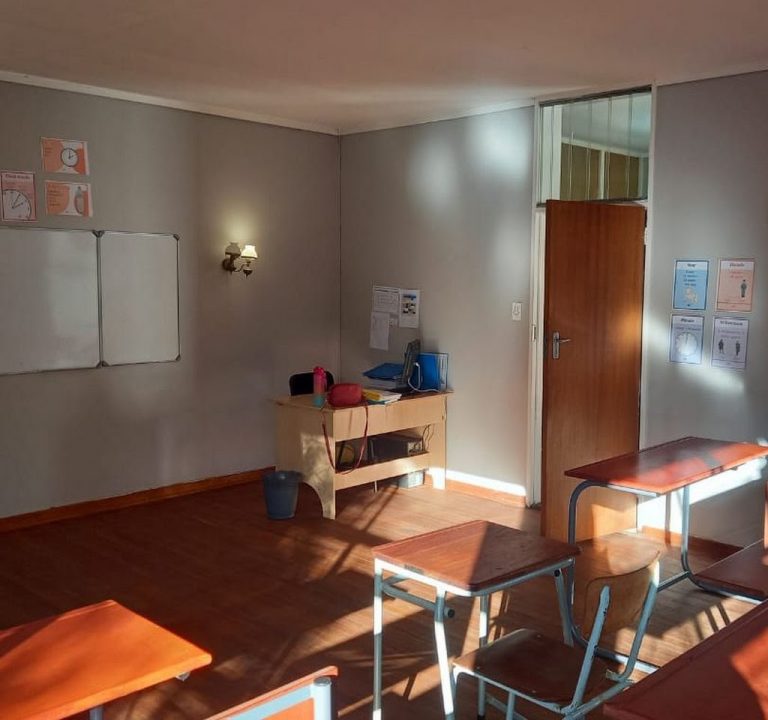
- Structured learning environment: A private classroom-based setting designed to maximise focus, reduce distractions, and foster collaborative learning when appropriate.
- Tutor-led programmes: A team of qualified tutors delivers subject instruction, assessment preparation, and personalised support across Grades 4–12.
- Assessment readiness: Preparation for assessments and examinations within a guided framework that supports progression to higher levels of study.
- Student-centred approach: Tailoring lessons to individual strengths, interests, and pace, while encouraging creativity, critical thinking, and problem-solving skills.
Further information about how the centre operates, including admissions and class planning, is provided through the academy’s online resources. Prospective students and parents can explore the available tutoring services and programme details via the site’s dedicated pages, which outline the curriculum approach, learning environment, and the kinds of support offered to learners throughout their schooling years.
Future Key Academy positions itself as a flexible, additional education option within Bloemfontein, designed to complement existing schooling by offering structured, small-scale learning backed by a recognised curriculum framework. While the facility emphasises its Bloemfontein base, the overarching aim remains to unlock each student’s potential through customised tutoring, ongoing assessment, and a supportive community atmosphere.
For more information on the services and responsibilities of the academy, readers are encouraged to visit the main pages detailing tutoring services and contact options on the website: Tutoring Services and Get In Touch.
Registration Details
Future Key Academy in Bloemfontein offers a homeschooling tutoring service for students from Grade 4 to 12, operating in a private classroom-based environment and aligned to the CAPS curriculum. The admissions process is described as a two-step progression that centres on cooperation with a curriculum provider and the academy’s own online application system.
Step 1 – Admission and Registration: Prospective families are advised to make contact with Future Key Academy to obtain a link for initial registration with the homeschooling curriculum provider. Following this, the academy provides a link to its online application form for submission. After submitting the application, applicants are issued with Future Key Academy’s guidebook, which needs to be read as part of the enrolment process.
Step 2 – Classes and Tutoring: Upon acceptance, learners receive CAPS-aligned study materials. Tutors then utilise these materials to prepare learners for assessments and examinations, delivering the programme in a small-class setting that supports personalised guidance.
In addition to the formal registration steps, the academy emphasises a tailored learning approach that aims to support each pupil’s pace and needs. The use of the CAPS curriculum is highlighted as a cornerstone of the instruction framework, ensuring alignment with the standards set by the Department of Education of South Africa.
Where to apply: Enquiries and the initial registration process can be initiated via the academy’s contact route. Specific links are provided through the “Contact Us” page to begin the process and access the online application once the appropriate registration link has been supplied by Future Key Academy.
Documents and requirements: The available information outlines the general sequence of registration and enrolment, including registration with the curriculum provider and submission of an online application. Specific documents or forms are not listed in detail on the publicly available pages.
Support and contact channels: Interested parties are encouraged to use the academy’s contact options to begin the registration journey. The primary contact pathway is accessed through the website’s contact page, which provides a route to further information and the necessary links for enrolment.
Further information about the programme, including the structure of tutoring and the CAPS-aligned materials, can be explored through the academy’s service pages. These resources provide context for prospective families considering Future Key Academy as an educational option in Bloemfontein.
Applied learners and their families should refer to the official site for the most current guidance and link availability. For direct navigation, the following pages offer relevant information:
Sorry, no records were found. Please adjust your search criteria and try again.
Sorry, unable to load the Maps API.
Education and Educational Resources in Bloemfontein
Bloemfontein, the capital of the Free State, offers a broad spectrum of educational opportunities that cater to learners at every stage. The city is home to a mix of public and private schools, further education colleges, and tertiary institutions, all situated within a compact and well-connected urban environment. For families and students, this confluence of options supports a range of learning pathways, from compulsory schooling through to higher education and professional training.
Across Bloemfontein, schools typically provide education from primary through to secondary level, accommodating diverse curricula and language provisions. Many institutions emphasise inclusive practices and student well‑being, with services designed to support learners navigating academic demands, language development, and transition between school phases. Some schools place particular emphasis on preparing pupils for external examinations, practical study skills, and community engagement, which can enrich the learner experience beyond the classroom.
In addition to traditional schooling, the city hosts further education and training providers that offer vocational and technical programmes. These centres commonly deliver courses focused on practical trades, information technology, business administration, hospitality, and creative industries. Programmes are typically structured to culminate in diplomas, certificates, or diplomas of higher education, enabling direct entry to related occupations or progression to higher degrees.
Higher education in Bloemfontein is supported by universities and tertiary colleges that offer undergraduate and postgraduate study across a range of disciplines. Institutions often provide a mix of traditional lectures, seminars, laboratory work, and practical projects. Learners may have access to specialised facilities, including computer labs, science and engineering laboratories, language and media suites, and art studios. Collaborative learning opportunities, research projects, and professional placements are commonly integrated into degree programmes.
Learning support and student services form a core aspect of the educational landscape. Academic advising, tutoring programmes, and disability services are generally available to assist learners in navigating course selections and study strategies. Language support, literacy programmes, and study skills workshops can help students adapt to higher education expectations. Some institutions also offer mental health resources, career guidance, and modest financial aid information to help families manage the costs associated with study.
Facilities and resources across Bloemfontein’s education sector typically include well‑stocked libraries with quiet study areas, access to online databases, and study rooms. Many campuses feature sports facilities, theatres or performance spaces, and student common rooms that foster community and extracurricular involvement. Accommodation options, where available, may range from on‑campus residences to private student housing in safe, well‑located neighbourhoods, with consideration given to transport links and proximity to campuses.
Typical pathways begin with familiar admission or registration processes managed by individual institutions. These usually involve submitting application materials by set deadlines, meeting programme entry requirements, and undertaking any required assessment or placement tests. Once enrolled, students often engage with academic advisers to plan timetables, chosen majors or specialisations, and progression routes. Where appropriate, information on scholarships, bursaries, and government grants can be accessed through official channels or institutional funding offices.
For those seeking further information, national and regional education portals provide guidance on curricula, qualifications, and quality assurance. Public resources and guidance on admissions, accreditation, and learner support can be found through official education websites and dedicated SAQA and Department of Basic Education platforms.
- National portals and guidance: https://www.education.gov.za
- Quality assurance and qualifications: https://www.saqa.org.za