Flavius Mareka TVET College is a Colleges establishment in Sasolburg, Free State, South Africa
Sasolburg
Free State
1947
South Africa
Curriculum
Flavius Mareka TVET College delivers a different spectrum of vocational and technical education across its Sasolburg, Kroonstad and Mphohadi campuses. The curriculum centres on National Certificate Vocational (NCV) programmes, Report 191 qualifications in Business and Engineering streams, and a range of occupational qualifications and specialised skills programmes. Designed to meet South Africa’s priority skills needs, the offerings blend theory with practical work-based experience to prepare learners for direct entry into the workforce or further studies within the vocational education system.
National Certificate Vocational (NCV) programmes are the core of the college’s curriculum. Available at levels 2 through 4, NCV courses are structured to provide both classroom instruction and practical exposure in a defined vocational field. The practical component may be delivered in a workplace setting or via a simulated workplace environment on campus, ensuring learners gain hands-on skills aligned with industry standards. The NCV emphasis lies in developing applicable competencies that support employability within the broader economy.
The college also offers Report 191 programmes, which are registry-aligned to provide recognised qualifications in both Business Studies and Engineering. Within Business Studies, offerings include modules such as Intro Business Management, Marketing Management, Human Resources, and Management Assistant, with pathways that may incorporate essential computer practice and information processing components. In the Engineering stream, programmes cover Chemical Process, Building and Civil Engineering, Electrical and Instruments Engineering, and Mechanical Engineering, among others. These courses are designed to combine theoretical understanding with practical and laboratory work to cultivate industry-ready competencies.
Skills programmes and learnerships form a notable part of the college’s curriculum strategy. Learnerships combine structured classroom learning with workplace-based practice, subject to the South African Qualifications Authority (SAQA) registration and appropriate SETA administration. They typically span one to three years, integrating fundamentals, core knowledge, and electives tailored to specific trade or occupational segments. Skills programmes provide targeted, occupationally based training with a practical component and are aimed at delivering specific employable skills within a timeframe of up to six months. Both pathways emphasise credits towards a registered qualification and are designed to support immediate workforce entry or progression to higher qualifications.
Across all campuses, the curriculum is structured to accommodate a variety of study modes. Full-time study remains a primary option, while part-time classes and blended approaches are supported to assist learners who require flexibility due to work or personal commitments. Part-time study arrangements are particularly noted for Engineering Studies, Business Studies, and related disciplines, with channels for admissions and ongoing support through the college’s administration and departmental contacts.
Distinctive learning resources and facilities reinforce the curriculum. Each campus maintains its own academic leadership and specialist lecturers across areas including Engineering, Business Studies, Information Technology, and Life Skills. The Sasolburg campus, for example, provides facilities and staff for Electrical, Chemical, Mechanical, and Civil Engineering pathways, while the Kroonstad campus expands offerings in NCV and Report 191 programmes with a focus on computer practice and administrative studies. The Mphohadi campus extends access to community-based training and a range of skills programmes, including demonstrating partnerships with local associations to support inclusive education for learners with additional needs.
In pursuit of a comprehensive learning journey, the college highlights additional support structures and opportunities. Instance-level information indicates a commitment to internship placements for graduates of N6 or Level 4 NCV certificates, strengthening the continuum between classroom learning and real-world work experience. The college prospectus and online course pages provide structured guidance on admission requirements, how to apply, and the steps after enrolment, ensuring prospective students can navigate the curriculum pathway with clarity.
Extracurricular and student support elements accompany the formal curriculum. While specific clubs or societies are not enumerated in the available materials, the college’s emphasis on lifelong education, career readiness, and employability suggests integrated student services, including guidance, placement assistance, and access to learning resources. The Sasolburg campus also notes sport and conference facilities, underscoring a broader campus experience that supports personal development alongside academic progression.
For prospective students and partners seeking further details, the college’s official pages and downloadable prospectus provide comprehensive information about programme structure, duration, and campus-specific offerings. Additional enquiries and application pathways are accessible via the college’s main site, reinforcing a transparent and navigable curriculum framework across all locations.
Overall, Flavius Mareka TVET College presents a cohesive curriculum designed to meet the needs of learners pursuing vocational qualifications, certificates and diplomas, while offering flexible study options and a practical emphasis tailored to regional industry requirements. Online or blended delivery options are not extensively detailed in the public materials, but the emphasis on simulated workplaces and workplace-based learning signals a practical, employment-focused approach across the college’s NCV, Report 191, and learnership offerings.
Further information: Flavius Mareka TVET College.
Faculties and Branches
Flavius Mareka TVET College operates across multiple campuses in the Free State, offering a structured range of vocational programmes. The college presents a coherent framework of faculties or departments aligned with national qualifications, enabling students to pursue National Certificate Vocational (NCV), Report 191, and related learnerships and skills programmes. While the college’s own materials emphasise a learner-centred approach to lifelong education, the overarching structure supports both classroom-based and workplace-based learning, with practical components integrated into each qualification stream.
Across its campuses, Flavius Mareka fosters specialised areas within engineering, business studies and related disciplines. The Sasolburg campus concentrates on engineering studies and business studies, hosting a suite of NCV and engineering-related offerings designed to prepare learners for industry roles. The Kroonstad campus broadens the technical curriculum with NC(V) and Report 191 courses, alongside part-time options in subjects such as Computer Practice and Human Resource Management, as well as training in ICDL. The Mphohadi campus, located in Maokeng, Kroonstad, extends community-based learning with a variety of learnerships and skills programmes, including crafts and hair care, delivered on-site and in collaboration with community organisations.
Each campus is organised to support practical learning and student services. Campus management at Sasolburg, for example, includes a Campus Manager and Academic Heads for Business Studies and Engineering Studies, complemented by senior lecturers across administrative, engineering and sciences disciplines. The Kroonstad campus likewise features a Campus Manager, academic heads and senior lecturers for office administration, life skills, English and communication, civil engineering, and other engineering-related fields. The Mphohadi campus provides campus management by a dedicated manager, with senior lecturers in engineering and business studies, alongside administrative and reception support for student services.
In terms of programme delivery, NCV and Report 191 courses are highlighted as core offerings across campuses. The NCV section describes a range of vocational fields prioritised to meet South Africa’s economy, with levels 2 to 4 available, and practical components that may be conducted in workplace settings or simulated environments at the college. The college’s course pages list specific NC(V) subjects and a mix of full-time and part-time study modes, illustrating the real-world pathways through which learners progress to diplomas and certificates. Learnerships and skills programmes are also described, emphasising structured training with both theoretical and workplace elements, contracts with employers and SETA administration, and durations ranging from several months to a number of years depending on the qualification.
Student services and engagement are reflected in a combined approach to admissions, registration, alumni, placement and employment opportunities. Information on how to apply, access to the college prospectus, and guidance through the Admissions office is provided on the college’s main site, with campus-specific contact points and reception arrangements to assist prospective and current students. The overall presentation suggests a regulated, provincially aligned educational network, supporting learners from diverse communities across Sasolburg, Kroonstad and surrounding areas.
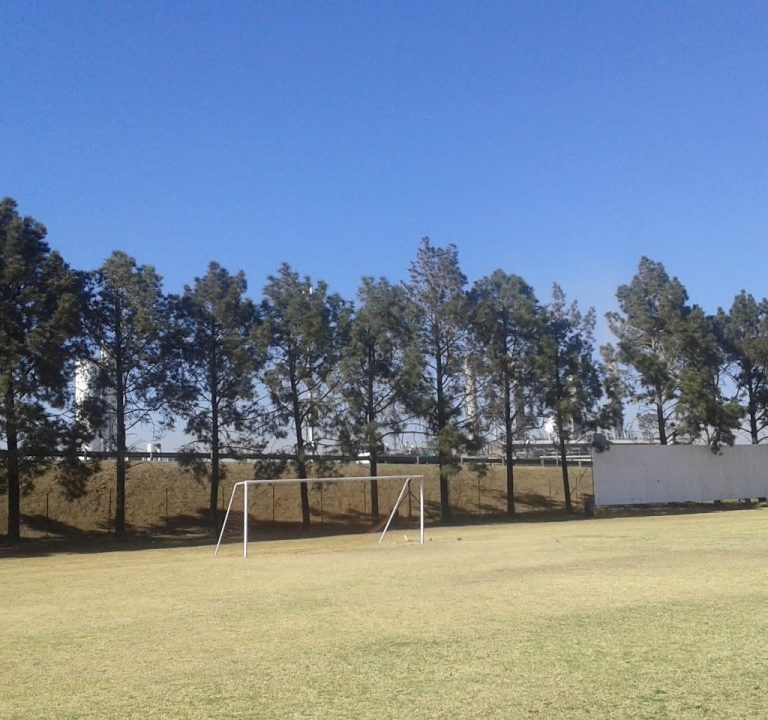
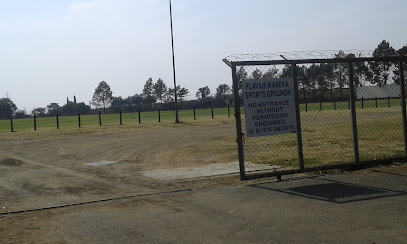
- Sasolburg Campus: Engineering and Business Studies focus with management and academic leadership structures; sports and conference facilities noted as part of campus amenities.
- Kroonstad Campus: NC(V) and Report 191 tracks; part-time options; conference facilities managed centrally; academic heads for multiple departments.
- Mphohadi Campus: Community-based learnerships and skills programmes; collaboration with local associations; hall facilities for events.
For further information on specific programmes, branches, and services, the college’s central portal provides access to detailed course listings, prospectuses and campus enquiries: https://flaviusmareka.net/
Registration Details
Flavius Mareka TVET College invites prospective students to begin their education journey by exploring the registration process for its broad range of NCV, Report 191 and skills programmes. The college presents a structured pathway for applicants seeking admission to its Sasolburg, Kroonstad, and other campus offerings, with information consolidated to help prospective learners understand what steps are involved and what to expect as part of the application and registration journey.
The college emphasises a clear application route designed to match each candidate's chosen programme. An accessible entry point is the online application link, where prospective students can initiate the application process. The site provides a dedicated path to apply and to obtain further information about study options, ensuring applicants can navigate from initial interest to formal submission with relative ease. The process overview on the site highlights how programmes are categorised (including NCV, NC(V), and related occupational and training options) and outlines the nest steps once an application is submitted. For those seeking to apply, a prominent link reads “Click here to apply”, directing applicants to the appropriate online form or portal for submission.
Where to apply is explicitly noted on the college’s pages through direct references to the application portal. In addition, prospective learners are encouraged to consult the college prospectus for detailed programme descriptions, entry requirements, and progression paths. The site also provides a route to access a copy of the prospectus to aid decision-making and to better understand programme specifics and campus offerings before applying. For those seeking broader information about registration, the college offers a “DOWNLOAD A COPY OF OUR COLLEGE PROSPECTUS” option to ensure applicants have comprehensive material at their disposal as they prepare their application.
Eligibility and entry requirements, where stated, are presented in a general sense to help applicants assess suitability. The college’s course listings reflect varied entry expectations depending on the programme type, with NCV and Report 191 offerings aligning with the national framework and standard admission expectations. If exact eligibility criteria or deadlines are not explicitly provided for a specific course on a given page, the guidance remains general, encouraging applicants to review the prospectus or apply through the official portal to obtain precise requirements for their chosen programme.
Documents typically required, when specified, are listed for electronic upload as part of the application and registration process. The site states several documents that applicants should upload to the Student Portal, including certified copies of the highest school results, certified copies of ID documents, a certified ID of next of kin, a student photograph, certified copies of the highest qualification, proof of residence, and proof of NSFAS bursary where applicable. It is important to note that certification dates should not be older than three months, and documents must be uploaded as part of the electronic submission process to ensure the application is complete and eligible for processing.
Contact and support channels are provided through the college’s online communications and prospectus options. While the site includes specific contact names and campus details, the preferred mode of outreach for registration assistance appears to be through the official admission and public relations channels linked from the registration sections. Prospective learners are encouraged to explore the “Get in touch” and “Download the college prospectus” areas for assistance and detailed guidance on the admission steps, to help ensure a smooth transition from inquiry to enrolment.
In summary, registration at Flavius Mareka TVET College follows a clearly outlined application route via the designated Apply link, access to the college prospectus for in-depth information, and the submission of required documents through the Student Portal. Prospective students are advised to review programme-specific requirements, consult the prospectus for expanded details, and use the online application pathway to initiate their journey toward becoming a student at Flavius Mareka TVET College.
For further information and to begin the application process, please visit the college’s site and use the Apply link to start your registration journey: Click here to apply.
Sorry, no records were found. Please adjust your search criteria and try again.
Sorry, unable to load the Maps API.
Education and Learning Resources in Sasolburg, Free State
Situated within the Free State, Sasolburg serves as a regional hub where families and learners can access a broad mix of educational pathways. The town commonly features a spectrum of institutions designed to support learners from primary through to adulthood, alongside opportunities for vocational training and higher education in nearby centres. The variety reflects a community emphasis on improving literacy, numeracy and practical skills, while also presenting routes into further study and employment.
Within Sasolburg itself and in the surrounding area, it is typical to encounter primary and secondary schools delivering standard curricula aligned with national education requirements. These schools often provide subject support, learning assistance programmes and extra-curricular activities that help students develop confidence and resilience. For families seeking continued education beyond compulsory schooling, there are options for further education and training centres that offer vocational programmes, certificates and diplomas designed to equip learners with practical competencies for local industries.
Higher education access commonly involves nearby universities and colleges located in Bloemfontein and other regional towns. These institutions offer foundation courses, diploma programmes and degree studies across a range of disciplines, with pathways that enable progression from further education to degree-level study. Prospective students frequently find information on admissions procedures, curriculum choices and application timelines through official sector resources and institutional prospectuses, which outline general requirements and reasonable deadlines for registration.
In Sasolburg and the wider Free State, learning support services are typically available to assist diverse learner profiles. Common offerings include language development programmes, study skill workshops, tutoring and academic advising. Learning support is frequently integrated with libraries and learning centres that provide quiet study spaces, access to textbooks, journals and digital resources. Specialised services may address needs such as inclusive education, learners with disabilities and those requiring extra coaching in core subjects.
Facilities in the region commonly include well-equipped libraries, science laboratories, computer and information technology suites, and dedicated media resources. Practical laboratories support science and technology learning, while workshop spaces and training laboratories underpin technical and vocational training programmes. Sports facilities, student accommodation and campus services commonly form part of the student experience at larger providers, contributing to wellbeing, time management and social engagement outside formal classes.
Typical pathways for learners and families entail researching suitable programmes, meeting general entry requirements, and submitting registrations within established windows. Guidance is often available through school career offices, college admissions desks and university liaison units. While specific entry criteria, fees and deadlines vary by institution and programme, the overarching process generally involves selecting a course of study, completing a registration application and providing any required documentation within the prescribed timeframe. Financial assistance and bursary information are commonly published by providers and national outreach programmes, offering avenues to support access to education and training.
For families seeking to understand the regional landscape, local education offices and official portals provide consolidated information on available courses, support services and the progression routes that connect schools, training centres and higher education institutions. The emphasis across Sasolburg is on enabling informed choices, building essential skills and fostering an environment where learners can pursue advance studies, gain practical qualifications and move confidently towards further opportunities.
Further information about education and resources in the Free State can be explored via national and regional education platforms, which outline broader strengths of the sector and offer guidance on admissions, registrations and learner support in a format suitable for families and prospective students.