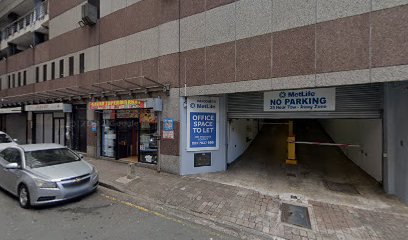
Education Economics is a Educational consultants establishment in Durban, KwaZulu-Natal, South Africa
Durban
KwaZulu-Natal
4000
South Africa
Sorry, no records were found. Please adjust your search criteria and try again.
Sorry, unable to load the Maps API.
Education and Educational Resources in Durban, KwaZulu-Natal
Durban, a coastal city in KwaZulu-Natal, presents a broad spectrum of learning environments designed to support learners from early childhood through to postgraduate study and professional development. The educational landscape combines formal schooling, higher education, vocational training, and community learning spaces, all set within a climate that values opportunity, accessibility, and practical experience.
Across the city and its surrounds, learners can encounter a range of institutions, including mainstream state and independent schools, further education colleges, and universities. These institutions typically offer programmes at primary, secondary, and post-secondary levels, with options spanning general academic subjects, sciences, humanities, languages, arts, and technical disciplines. In addition to traditional curricula, many centres provide blended and online learning possibilities, catering to diverse needs and schedules.
Higher education in Durban often features a mix of comprehensive universities and specialised institutes. Students may engage in undergraduate degrees, honours and postgraduate studies, as well as professional qualifications in fields such as engineering, health sciences, business, education, and the creative arts. Some institutions place emphasis on research, while others focus on applied study and industry partnership, helping learners make a direct transition into the workforce or further study.
For those pursuing technical and vocational pathways, Durban offers training centres and dedicated campuses that concentrate on practical skills. These programmes commonly cover areas such as information technology, logistics, hospitality, construction, electrical and mechanical trades, and allied disciplines. Open access to short courses, certificates, diplomas, and industry-recognised qualifications enables broader participation in the skills economy and supports lifelong learning for adults and school leavers alike.
Learning support and student services play a central role in Durban’s educational provision. Many institutions provide academic tutoring, language and literacy assistance, disability services, mental health resources, and career guidance. Support often includes counselling, mentoring, study skills workshops, and access to adaptive technologies designed to improve learning outcomes. Library services, online portals, and digital resource centres extend study materials beyond the classroom and support independent research and collaboration.
Facilities across the Durban area typically reflect a commitment to a well-rounded student experience. Libraries, laboratories, and computer suites enable practical experimentation and data access across disciplines. Recreational and sports facilities commonly accompany learning spaces, offering opportunities for fitness, team sports, and informal recreation. Residential accommodation is available in some institutions to support residential students, foster community, and reduce travel demands, particularly for those coming from greater KwaZulu-Natal or rural areas.
Typical pathways through Durban’s educational system begin with school registration and assessment, followed by subject selection aligned with intended study routes. For many learners, progression involves applying to higher education or vocational programmes through central admissions processes or institution-specific portals. Important considerations for prospective students include planning timelines, meeting admission requirements where applicable, and exploring bursaries or financial aid options that enable access to study opportunities. Academic support, campus services, and outreach programmes are commonly highlighted in open days and information sessions to help families understand the choices available.
Students and families looking for reliable information can consult official education portals and university or college websites to learn about available programmes, entry points, and support services. Local education authorities and community learning organisations may also provide guidance on admissions timelines, funding options, and resources designed to assist learners at every stage of their educational journey.
- Programme breadth: general and specialist qualifications across schools, colleges, and universities.
- Support services: learning support, counselling, career guidance, and disability services.
- Facilities: libraries, laboratories, sports, and accommodation where applicable.
- Pathways: clear routes from school to further education, training, or higher education.
Durban’s educational ecosystem emphasises inclusivity, practical skills, and pathways that align with local employment opportunities and regional development goals. By combining traditional classroom learning with modern delivery methods and extensive support networks, the city aims to prepare learners for successful transitions into higher education, training, and skilled work.
Further information and updated programme details can be explored through institutional portals and official regional education resources available online.