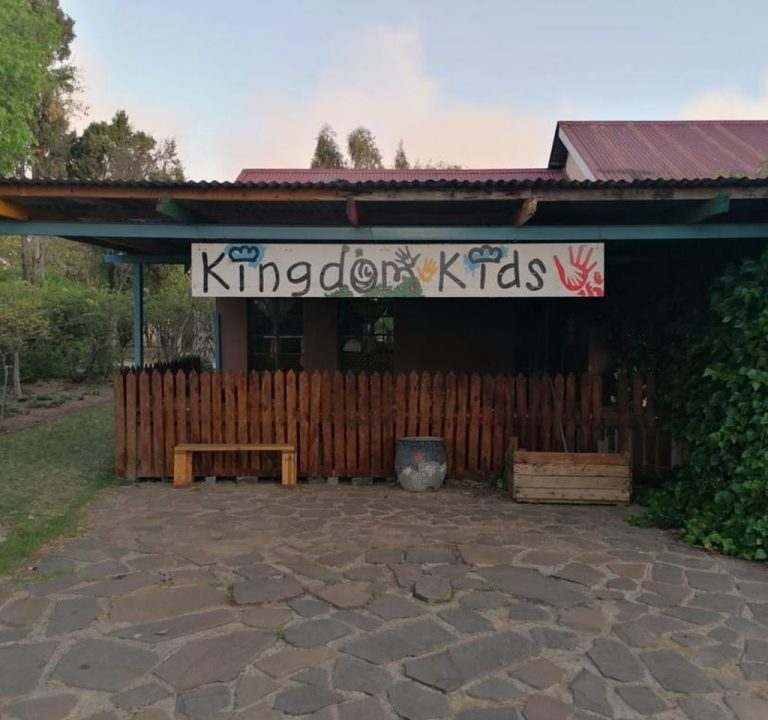
EdUAfrica || Kingdom Kids is a Educational institutions establishment in Memel, Free State, South Africa
Memel
Free State
2970
South Africa
Curriculum
EdUAfrica Memel, operating Kingdom Kids in the Free State town of Memel, centres its curriculum on a community-focused foundational education that blends early childhood development with primary schooling. The school currently provides Foundation Phase schooling up to Grade 4, with ambitious expansion plans to extend into the Intermediate Phase and accommodate Grade 5 by 2026 and Grade 7 by 2028. This progression aims to deliver a coherent, progression‑based learning journey for learners from the earliest years through the upper primary years.
Curriculum development is a core initiative of EdUAfrica’s work in Memel. The organisation envisions the creation of workshop-based learning material and dedicated teaching programmes that can act as both a quality educational resource for Kingdom Kids and a potential professional development avenue for teachers. This approach emphasises scalable, sustainable instructional materials designed to uplift learning outcomes while offering opportunities for teachers to upskill and grow within the school’s framework.
The curriculum emphasises a holistic development model, incorporating cognitive, physical, social and emotional aspects of learning. It recognises the importance of a stimulating environment and intentional teaching strategies to foster critical thinking, problem-solving and communication skills. Developmentally appropriate learning aids and resources are employed to support learners as they explore ideas, ask questions and build foundational capabilities across subject areas.
Areas of study within the curriculum are designed to support both academic achievement and meaningful personal development. The emphasis on cognitive development is complemented by structured play, routines and classroom activities that promote logical thinking, imitation, questioning and other thinking skills. Physical development is nurtured through expansive outdoor spaces and integrated indoor–outdoor learning experiences, aimed at strengthening motor skills and overall well-being. Social and emotional development is prioritised through a caring, culturally respectful environment where learners learn to express themselves, collaborate with peers and establish routines that foster positive self‑image.
Distinctive resources and teaching aids form part of the curriculum delivery. Kingdom Kids employs developmentally appropriate equipment and classroom teaching aids to support guided learning experiences. The use of such resources is coupled with an environment that seeks to balance structured instruction with opportunities for exploration, creativity and child-led learning within a Christian-inspired, values‑driven framework.
In terms of structure, the school operates as a registered independent school offering a Foundation Phase in its early years, with plans to extend to intermediate levels in the near to mid-term. This planned expansion reflects a strategic curriculum trajectory that aligns with the school’s broader mission to provide high‑quality, accessible education to children from previously disadvantaged backgrounds and to integrate subsidised and sponsorship-supported learning opportunities.
Short courses or professional development opportunities are indicated through EdUAfrica’s broader initiatives, notably in curriculum development and teacher training. While specific course lists, durations or entry requirements are not itemised on the site, the focus remains on upskilling educators and generating sustainable income streams to support high‑quality teaching. This includes training for teachers to improve outcomes and to strengthen the learning environment as part of the school’s ongoing development agenda.
Accessible and blended options are not explicitly detailed on the site; however, the curriculum strategy emphasises hands-on, practical learning with a mix of indoor and outdoor activities, supported by targeted materials and resources. The programme also emphasises the provision of a nurturing school culture rooted in Christian principles, which informs both curriculum delivery and learner support services.
Support systems and extracurricular opportunities are evident in the school’s offerings. A feeding programme supports optimal brain development and concentration by providing two nutritious meals daily to learners, addressing nutrition as a critical component of learning readiness. The school also highlights physical development through its ample playgrounds and a learning environment that integrates physical activity with academic progress. The emphasis on social and emotional development is complemented by a community‑oriented atmosphere designed to help learners form healthy relationships and develop resilience. Teacher training and classroom development initiatives further bolster the curriculum by ensuring staff capability and a continuous improvement ethos.
For further information on curricular developments, visitation and engagement with EdUAfrica’s initiatives can be explored through the organisation’s initiatives pages and the Kingdom Kids site, which outlines the school’s mission, expansion plans and learning environment.
Faculties and Branches
EdUAfrica Memel NPO operates primarily through Kingdom Kids, a Foundation Phase school founded in 2014 in the rural town of Memel, Free State. The organisation emphasises quality early childhood and primary education, with a foundation built on Christian principles and a commitment to improving access to education for previously disadvantaged learners.
Within the educational offering, Kingdom Kids functions as an independent school structure focused on Early Childhood Development (ECD) and the Foundation Phase. The expansion plan outlines the progression from preschool classrooms to primary levels, with the aim of extending the school’s reach to accommodate Grade 4 and beyond, ultimately producing an Intermediate Phase and Grade 5 to Grade 7 provision in the near future. This trajectory indicates a student progression pathway across a small, mission-driven school community rather than a multi-faculty higher-education model.
Curricular and pedagogical development programmes are described as central to the organisation’s mission. Initiatives include Curriculum Development, Classroom Development, and Teacher Training, all designed to elevate teaching quality and learning outcomes at Kingdom Kids. These initiatives are framed as avenues to support educators in delivering effective, hands-on education, and to provide sustainable professional development opportunities for teachers within the school context.
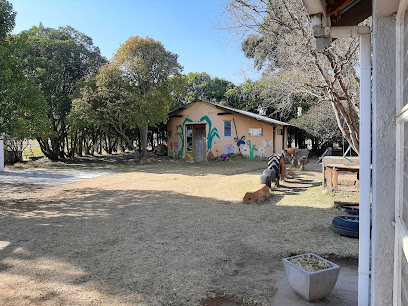
In terms of campuses and locations, the primary site is the Kingdom Kids campus situated at 4 Van Rooyen Street, Memel, Free State. This single base serves as the location for the school’s classrooms, learning activities, and associated support services, including feeding programmes and aftercare where applicable. The dedicated on-site environment is highlighted as a setting for integrated indoor and outdoor learning, with facilities intended to foster cognitive, physical, social and emotional development for learners.
Student services, as described, encompass more than academic instruction. The Feeding Programme provides two nutritious meals per day to a sizeable cohort of learners, supporting optimal brain development and concentration. Additional aims include delivering teacher training and provision of classroom resources to sustain an engaging learning atmosphere. The structure also indicates a focus on upskilling local educators through targeted development, reinforcing the school’s broader objective of empowering both learners and teachers within the Memel community.
Overall, the organisation presents itself as a small, cohesive educational entity centred on Kingdom Kids as the learning foundation, with growth plans to broaden its grade offerings and to enhance teacher capacity. While no separate faculties or multiple branches are named, the emphasis on curriculum and classroom development, teacher training, and a single Memel campus reflects a focused model of core educational provision and community-based service.
- Kingdom Kids – Foundation Phase school in Memel, Free State (4 Van Rooyen Street, Memel 2970)
- Current educational focus: Early Childhood Development and Foundation Phase (with planned extension to Intermediate Phase)
- Key initiatives: Curriculum Development, Classroom Development, Teacher Training, Feeding Programme
Further information and details about the school’s programmes, notices and updates can be found on the EdUAfrica website, including the dedicated pages for Curriculum Development, Classroom Development, and Feeding Programme, as well as the About Us section for context on aims and leadership.
Registration Details
EdUAfrica Memel’s Kingdom Kids is described as a registered independent school operating in the rural town of Memel, Free State. The school forms part of a broader initiative to provide quality early childhood and primary education, with expansion plans aimed at extending provision through Grade 7 in the coming years. Prospective families seeking to register a learner can approach the school through the organisation’s established contact channels and the public-facing information available on EdUAfrica’s website.
The site presents Kingdom Kids as a functioning school within the EdUAfrica ecosystem, highlighting its growth from a single preschool classroom in 2014 to a multi-classroom setting with plans for further development. While specific registration steps, deadlines, or fees are not itemised on the site, the platform emphasizes a structured relationship between donors, supporters, and the school community, which includes pathways for contact and further information. This implies that initial registration inquiries should be directed to official channels rather than through unauthorised intermediaries.
Where to apply or inquire about registration: the primary route indicated on the EdUAfrica site is through the organisation’s official contact page. Interested families or partners can reach out to EdUAfrica Memel using the dedicated contact page to obtain detailed registration information, discuss eligibility, and receive guidance on next steps. The “Contact Us” section is designed to provide a direct line of communication for prospective families and supporters seeking information about Kingdom Kids and its admissions process. A link to this contact page is provided within the site’s Registration and donations framework.
Eligibility considerations appear to be aligned with the school’s mission and context, noting that Kingdom Kids serves local learners in a rural Free State environment and operates with subsidies and sponsorships to support access. The site also references the school’s Christian foundation and its role in delivering education to previously disadvantaged children, which can inform prospective families about the ethos and community context of the registration process. However, the site does not publish formal criteria, entry timelines, or numerical benchmarks, so prospective applicants should expect to receive customised guidance during an initial contact or enquiry.
Documents and typical requirements: the provided content does not specify a definitive list of documents or forms for registration. In such cases, it is prudent to anticipate standard school admission materials (such as proof of residence, prior records, and a basic enrolment form) being discussed during the initial enquiry with the school. Since no documents are explicitly stated on the site, applicants are advised to await official instructions from the school through the stated contact channels rather than preparing and submitting any paperwork independently.
Support and contact options: for registration enquiries and assistance, the EdUAfrica site points to its contact resources. The primary action is to use the “Contact Us” pathway to obtain registration guidance, confirm availability, and learn about any required documents or steps. The site also offers links to its social media profiles and the main homepage, which can provide additional context and updates about Kingdom Kids and related initiatives. While direct contact details such as email addresses or phone numbers are not reproduced here, the official contact page remains the authoritative point of contact for prospective learners and families.
Location and visit information: Kingdom Kids is situated at 4 Van Rooyen Street, Memel, Free State. Prospective visitors or those arranging a formal tour or meeting can use the site’s public address reference to plan a school visit or to coordinate with the administration through the official contact channel.
For further information, including potential timelines or required steps, interested parties should consult the EdUAfrica site’s Contact section and its general information pages. Visit: Contact Us and explore related pages for an overview of the programme, admissions, and ongoing initiatives at Kingdom Kids.
Sorry, no records were found. Please adjust your search criteria and try again.
Sorry, unable to load the Maps API.
Education and Resources in Memel, Free State
Memel, situated in the Free State province of South Africa, sits within a network of educational offerings that serve learners and families across different stages of life. The town is commonly linked to nearby towns and regional centres where various institutions and programmes can be accessed, creating a practical ecosystem for schooling, further education, and lifelong learning.
Within Memel and its surrounding district, learners typically encounter a mix of institutions designed to support diverse interests and levels of achievement. Primary and secondary schools provide foundational schooling, subject to national and provincial curricula that guide assessment and progression. In addition to traditional classroom learning, many schools offer programmes intended to bolster literacy, numeracy, and curriculum engagement, along with support services designed to assist learners facing educational challenges.
For those seeking post-school pathways, the region commonly features further education and training opportunities accessible through nearby towns and regional campuses. These may include vocationally orientated programmes, career-focused certificates, and diplomas aligned to local industry needs. Such offerings emphasise practical skills alongside theoretical study, enabling learners to prepare for trades, technician roles, or entry into professional programmes at adjacent colleges or universities.
Universities and higher education institutions are typically located in larger urban centres within a reasonable travel distance. Prospective students often explore a range of undergraduate programmes, along with postgraduate options where available. In many cases, admissions processes are designed to assess prior schooling, aptitude for chosen fields, and readiness for higher education, with guidance offered through district education offices and supporting services at the campus level.
Learning support and student services frequently play a central role in the Memel area. Learners can expect access to libraries stocked with study materials, periodicals, and reference resources, along with computer labs and study spaces that support independent and collaborative work. Guidance and counselling services may be available to assist with course selection, career planning, and overall wellbeing. In addition, some institutions provide language and numeracy support programmes to assist learners with varying starting points.
Facilities and resources in and around Memel typically cover essential academic and practical needs. Well-equipped laboratories, workshops, and specialised classrooms feature in many schools and training centres, enabling hands-on learning in science, technology, engineering, and the arts. Sporting facilities, safe playing fields, and recreational spaces contribute to a balanced student experience, while on-campus accommodation or nearby housing options are commonly considered for those pursuing programmes away from home.
When considering pathways, learners are encouraged to engage early with admissions and registration processes. Information on entry requirements, application deadlines, and available programmes is usually published by educational authorities, individual schools, and tertiary providers. Prospective students can often access guidance through district offices, school counselling services, and official education portals. Visiting the relevant provincial and national websites can provide up-to-date information on qualifications, recognised programmes, and progression routes.
In the broader context of South Africa’s education system, Memel sits within a mosaic of institutions designed to support learners from primary through to higher education and further training. The balance of local accessibility and regional opportunities enables families to plan educational pathways that suit academic interests, financial circumstances, and future ambitions. For further information on national guidance and programme structures, official resources such as the national Department of Education’s portal offer broad context and reference points for learners in Memel and the Free State.
Website resource for general guidance on education policies and programmes can be found at the national level: Education Portal.