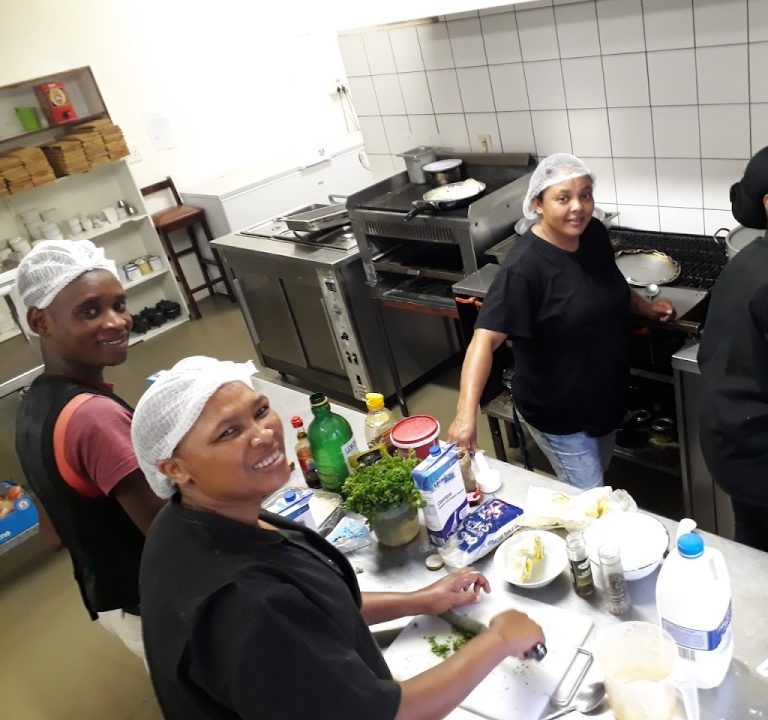

Cornerstone Cooking School & Cuisine is a Cooking school establishment in Tulbagh, Western Cape, South Africa
Tulbagh
Western Cape
6830
South Africa
Sorry, no records were found. Please adjust your search criteria and try again.
Sorry, unable to load the Maps API.
Education and Educational Resources in Tulbagh, Western Cape
Tulbagh sits within a pastoral valley in the Western Cape, combining a historic townscape with practical access to a range of educational opportunities. The area provides a mix of primary and secondary schooling, local training facilities, and opportunities to pursue further studies beyond the town itself. Learners and families can expect a focus on accessible education, community involvement, and pathways that connect school life with broader learning possibilities.
Primary and secondary education in Tulbagh typically centres on consolidated state schools serving local communities, with programmes aligned to national curricula. Schools aim to offer foundational literacy and numeracy, science and mathematics, languages, and social studies, alongside arts, physical education, and life orientation. Where available, schools provide assistance for learners who require additional support, including remedial sessions, differentiated learning plans, and access to guidance on career exploration and subject choices for senior phases.
Beyond the compulsory years, there are opportunities for further study that can be undertaken locally or in nearby towns. Senior students may explore a range of senior certificate or diploma options, subject to regional provision, and the option to continue at technical and vocational education and training (TVET) facilities or further education colleges within a reasonable travelling distance. These pathways commonly emphasise practical skills, workplace readiness, and industry-aligned qualifications designed to improve employability.
Training centres and vocational providers in the region offer short courses and more structured programmes in areas such as carpentry, engineering trades, hospitality, agriculture, information technology, and health-related support skills. These programmes often cater to varying levels, from introductory certificates to more advanced certificates or diplomas, with the aim of producing graduates who can enter the job market or continue with higher-level training.
Higher education opportunities may be accessed through regional universities or campuses within reach of Tulbagh. Students frequently combine local learning with distance education or campus-based study in larger centres to pursue degrees in fields such as Education, Sciences, Humanities, or Business Studies. Support services commonly emphasise academic skills development, study counselling, and guidance on admission procedures, application timelines, and funding options.
Learning support and student services in the area are designed to assist learners at different life stages. Public libraries and community learning centres provide access to books, reference materials, study spaces, computer access, and literacy programmes. Where available, schools and institutions offer guidance counselling, university and career information, examination support, and general wellbeing services. Language support, inclusive education resources, and accessibility considerations are often highlighted to ensure broader participation.
Facilities and resources frequently include well-equipped classrooms, science laboratories, computer laboratories, and practical workshops. Sports facilities, fencing, athletics, and outdoor spaces contribute to a holistic learning environment, while on-site or nearby accommodation may be available through certain programmes or partner institutions for students coming from other areas. Community hubs sometimes host skill-sharing initiatives, adult education courses, and lifelong learning sessions.
Typical pathways for prospective learners involve researching local options, visiting schools or training providers when possible, and engaging with admissions or registration procedures in a timely manner. Registration steps commonly include submitting required documentation, meeting any programme prerequisites, and understanding the calendar for assessments, examinations, or enrolment periods. Prospective students are encouraged to explore support available for fee assistance, transport information, and additional learning resources.
- Local schools offering primary and secondary education with adapted support services
- Technical and vocational education options within reasonable reach
- Higher education institutions reachable by distance learning or short travel
- Public libraries and community learning centres as study hubs
- Guidance and counselling services focusing on admissions, study skills, and career planning
For general guidance on national curricula, admission processes, and the range of post-school options available in the Western Cape, reference materials and official portals such as the Western Cape Education Department and national agencies provide up-to-date information. These resources offer background on qualifications, progression routes, and how learners can plan effective educational journeys from Tulbagh outward.
Further information can be explored through official education portals and regional education authorities:
Western Cape Education Department |
SAQA (South African Qualifications Authority)