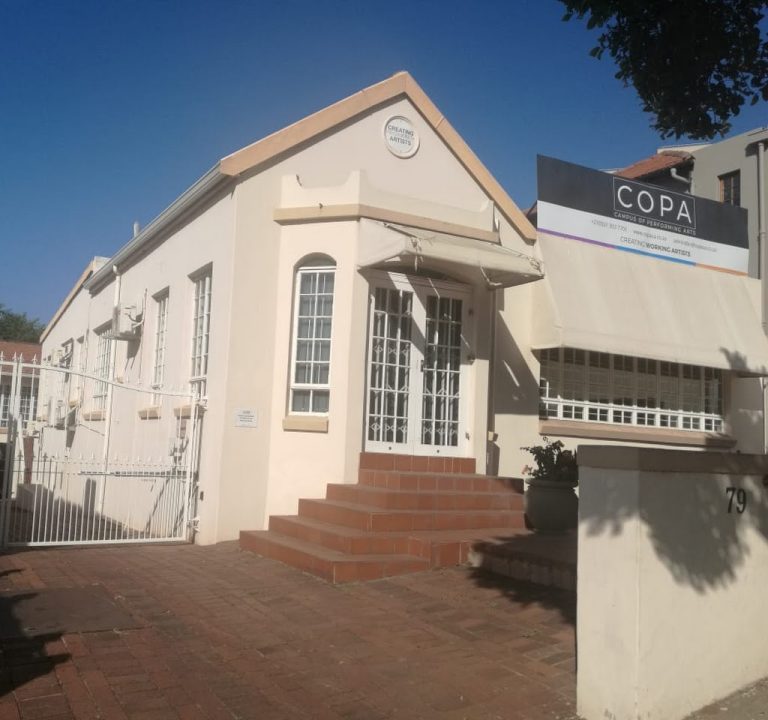
COPA / Campus of Performing Arts – DBN is a Music schools establishment in Durban, KwaZulu-Natal, South Africa
Durban
KwaZulu-Natal
3629
South Africa
Curriculum
The Campus of Performing Arts (COPA) in Durban offers a practical, industry-aligned curriculum designed to prepare students for real-world careers across key areas of contemporary music. The full-time courses concentrate on three core pathways: Music Performance, Music Production, and Music Business. These strands are complemented by a range of specialised instrumental options and vocal study, enabling students to shape a cohesive portfolio of skills tailored to the modern music sector.
Within the Music Performance discipline, students explore vocal and instrumental training across the primary instruments taught at COPA. The curriculum emphasises performance technique, stage presence, ensemble collaboration, and live audience dynamics, ensuring graduates are ready to perform in professional environments. For those pursuing instrumental studies, courses in guitar, bass, drums, and keyboard are designed to develop expressive єngagement with repertoire while building practical musicianship and adaptability for diverse genres.
Music Production forms a central pillar of COPA’s offering, combining hands-on studio practice with essential concepts in sound engineering, studio technology, and music technology. The approach is deliberately experiential, enabling learners to record, mix, and master projects under industry conditions. This preparation supports graduates aiming to work in recording studios, broadcast environments, or independent productions, equipped with contemporary skill sets that align with current workflows.
The Music Business stream provides the professional and entrepreneurial framework required to navigate today’s evolving industry. Curriculum elements cover core concepts such as artist development, management, publishing, distribution, branding, marketing, contracts, and the practicalities of running a music business. The emphasis on industry-readiness helps learners understand the commercial environment, improve professional communication, and pursue opportunities in management, entrepreneurship, and leadership roles within the music ecosystem.
A distinctive feature across COPA’s Durban curriculum is its emphasis on integration between theory and practice. Theory is contextualised through practical applications in recording, performance, and project management, ensuring that learners can translate classroom knowledge into tangible outcomes. The institution stresses the use of authentic industry settings, from on-site studios to performance venues, to replicate the realities of professional musical careers.
In addition to the core full-time programmes, COPA offers a broad spectrum of online short courses and part-time opportunities. The online short courses cover topics such as Intro to Music Business, Accelerated Theory, Studio Recording Techniques, Songwriting, Music Production, and Digital Audio Techniques, with several courses focused on the music entrepreneur and distribution. These online offerings, designed to be nationally recognisable, provide flexible pathways for ongoing professional development, career progression, and broader access to COPA’s expertise. The presence of online learning is complemented by part-time lessons offered through COPA’s sister organisation, COPA Academy, which delivers instrument-specific study in bass guitar, drums, guitar, keyboard, and vocals.
For Durban scholars seeking practical enrichment outside the classroom, COPA’s facilities support a robust learning experience. The campus provides access to professional recording studios, a technology centre, dedicated practice rooms, and on-site performance venues. Such resources enable learners to engage in repeated, real-world practice, participate in showcases, and collaborate with peers and industry professionals as part of the learning journey.
Support measures are integrated throughout the curriculum to assist student development. The approach includes professional development modules focused on stage presence and industry readiness, with guidance on career pathways within performance, production, and business streams. The combination of hands-on instruction, real-world opportunities, and access to industry-standard resources positions COPA graduates as prepared, competitive artists, engineers, and music executives entering the market.
Access to further information, audition processes, and registration procedures is provided through COPA’s campus network and online presence. While the Durban campus delivers its own tailored full-time offerings, the broader COPA curriculum maintains consistency in quality and industry alignment across campuses, ensuring that the Durban programme remains part of a cohesive national framework for contemporary music education.
Faculties and Branches
The Campus of Performing Arts (COPA) operates as a private music education institution with a clearly structured offering across its main disciplines and its campus network. The educational focus centres on three primary areas designed to prepare students for contemporary careers in the South African music industry: Music Performance, Music Production, and Music Business. These programmes are delivered by industry-experienced facilitators who maintain active involvement in the sector, ensuring instruction remains aligned with current industry practices and professional expectations.
Within COPA’s academic framework, Music Performance encompasses component strands for vocalists and instrumentalists, including guitar, bass, drums, and keyboard specialisations. Music Production includes elements of sound engineering and related technologies, while Music Business covers the commercial and entrepreneurial aspects essential to a sustainable career in music. Across these faculties, the curriculum emphasises practical, hands-on learning and exposes students to real-world experiences from day one, contributing to COPA’s reputation as a career-focused music education institution.
The institution operates across multiple campuses, providing learners with regional access to COPA’s facilities and programmes. The flagship presence is housed in Midrand (GAU), recognised as a central hub for hands-on training and industry engagement. The Durban and Pretoria campuses complete the core trio of COPA’s physical locations, each offering full-time courses in the recognised faculties and providing access to the same standard of practical training, studios, and performance environments that characterise COPA’s practical approach to pedagogy. In addition to on-site provision, COPA extends online and short-course offerings designed to complement full-time study and broaden access to up-to-date industry knowledge.
Facilities across COPA’s campuses are described as fit-for-purpose, reflecting the organisation’s commitment to immersion and real-world readiness. Each campus provides professional recording studios, a technology centre, on-site performance venues, and dedicated practice rooms. These facilities support the full spectrum of study—from technical training in production and sound to stage presence and performance opportunities—thereby reinforcing the link between academic study and professional practice.
In terms of structure, COPA’s campuses function as geographical nodes that connect prospective students with the same core curricula and access to industry-aligned training. While the official materials emphasise the three main programme areas, the campus network enables learners from various regions to pursue full-time study without compromising exposure to industry-standard facilities and opportunities. The institution’s governance recognises accreditation from CATHSSETA and provisional registration with the Department of Higher Education and Training, underscoring the formal framework that supports its faculties and campuses. For prospective students exploring options, COPA’s campus pages present links to full-time course information, exemplifying how the faculties integrate with campus-specific offerings and student services.
Further exploration of the different campuses and their available programmes can be found via COPA’s site, including dedicated pages for the Midrand, Durban, and Pretoria locations. These pages provide details on the full-time courses offered at each campus, and they offer guidance on admission steps, auditions, and campus visits, illustrating the practical pathway from initial enquiry to course registration. Visitors may also discover related online courses and short programmes that complement the main faculties and extend learning avenues beyond the traditional full-time format.
- Midrand Campus (GAU) — flagship centre with full-time courses and industry facilities
- Durban Campus — coastal hub for performance, production, and business programmes
- Pretoria Campus — northern centre offering core full-time courses
Registration Details
The Campus of Performing Arts (COPA) – Durban presents a straightforward audition-based registration path for prospective students seeking full-time programmes in Music Performance, Music Production, and Music Business. The process is designed to assess practical suitability for COPA’s industry-focused approach and to determine the most appropriate course for each applicant.
Registration and audition overview
- Initial step involves contacting a COPA campus to arrange an interview and campus tour. This engagement provides prospective students with an opportunity to explore facilities, meet staff, and understand the campus environment in Durban.
- Applicants then proceed to an audition. Auditions can be completed online or conducted as a live audition at the Durban campus, depending on arrangements made with the campus staff.
- Following the audition, results are communicated within a short decision window (typically a few working days). If the audition is successful, an acceptance letter into the recommended course is issued, guiding the applicant to the next stage of enrolment.
Where to apply
Interested individuals can start the application process by accessing COPA’s dedicated audition and registration resources. For the Durban campus, applicants may begin by exploring the Durban campus pages and the general Apply Now resources hosted on COPA’s website. Useful entry points include:
- Apply Now — Music Business Audition Form, Music Performance Audition Form, Music Production Audition Form
- Durban Campus page — information about the Durban campus and its full-time course offerings
- Full-Time Courses — overview of the available full-time programmes, including those offered at COPA Durban
Eligibility and entry requirements
The site provides the structure for the audition-based entry and indicates that successful auditions lead to acceptance into a recommended course. Specific eligibility criteria beyond the audition process are not itemised in the public-facing pages provided. Therefore, prospective applicants should engage with the Durban campus during the interview stage to confirm course suitability and any campus-specific prerequisites.
Documents and typical requirements
The publicly available materials emphasise the audition as the central entry mechanism. Details about additional documents (such as identification, previous academic records, or Portfolio requirements) are not explicitly stated in the accessible sections. Applicants should receive guidance during the campus interview and audition about any documentary prerequisites if applicable.
Contact and support channels
For the COPA Durban campus, information is typically channelled through the campus contact framework on the site’s Durban pages. While direct telephone numbers and email addresses are not included in this section, the site provides pathlets to reach COPA via the Durban campus and the general Apply Now and campus tour pages for further assistance.
Additional context
Background information indicates COPA operates across multiple campuses with a focus on practical, industry-aligned music training and an integrated approach to performance, production, and business. Prospective applicants should utilise the campus tour and interview opportunities to gain first-hand insight into facilities, faculty, and the student experience before finalising registration.
Sorry, no records were found. Please adjust your search criteria and try again.
Sorry, unable to load the Maps API.
Education and Resources in Durban, KwaZulu-Natal
Durban, located on the eastern coast of South Africa, presents a broad spectrum of educational opportunities for learners and families. The city supports a diverse ecosystem of institutions that cater to different ages, interests and career paths. From primary and secondary schools to further education colleges and universities, Durban offers pathways that align with local and national curricular frameworks, ensuring access to recognised qualifications and lifelong learning.
Within Durban, learners can expect to find a mix of public and independent schools, many offering mainstream curricula alongside additional language support, special education provisions and after-school activities. Secondary schools commonly provide a range of subjects suitable for national examinations, with guidance on subject choices and progression pathways. Families often notice programmes that emphasise preparedness for higher education, apprenticeships, or entry into the labour market, depending on individual goals and interests.
For post-school options, there are a number of further education and training (FET) centres and specialised training providers across the region. These institutions typically offer short courses, diplomas, certificates and practical training aligned with industry needs. Programmes frequently cover practical trades, information technology, business administration, hospitality, healthcare support and creative disciplines. FET providers commonly emphasise hands-on experience, work placements and bridging options to higher-level study where appropriate.
Durban also hosts a number of higher education institutions serving both local residents and learners from further afield. Local universities and universities of technology may offer bachelor degrees, diplomas and postgraduate qualifications across disciplines such as science, engineering, humanities, education and business. Higher education in the area often provides foundational courses, language and academic skills support, and access programmes designed to assist students in meeting progression requirements. This mix supports learners aiming for professional registration, research opportunities or practical career pathways.
Student services and learning support are visible throughout Durban’s educational landscape. Campuses and schools commonly provide academic tutoring, counselling, career guidance and disability support services. Language support and literacy development resources are frequently available to assist non-native English or isiZulu speakers, alongside literacy programmes for foundational learners. Accessibility features, adaptive technology, and inclusive facilities are often integrated to help students navigate academic life effectively.
Facilities and resources commonly found in the Durban area include extensive libraries with study spaces, computer laboratories and digital resources, museums or cultural centres for enrichment, sports facilities for training and recreation, and on-site or nearby accommodation for students who relocate. Campuses may also offer student unions or societies, entrepreneurship hubs, and clubs that promote community engagement, volunteering and leadership development.
Typical pathways for admission or registration tend to follow a clear, step-by-step process. Prospective students are usually advised to review entry requirements for programmes, submit an application through official channels, and provide necessary documentation within indicated deadlines. Once accepted, students may undertake orientation, enrolment, and registration procedures, followed by the installation of timetables, study materials and access to campus services. Transitional options, such as bridging courses or foundational programmes, may be available to support smoother progression to higher levels of study.
In summary, Durban offers a variety of educational routes supported by a range of services and facilities designed to assist learners and families in achieving their goals. The region remains a focal point for access to education, skills development and personal growth, with resources adapting to evolving educational needs and industry demands.