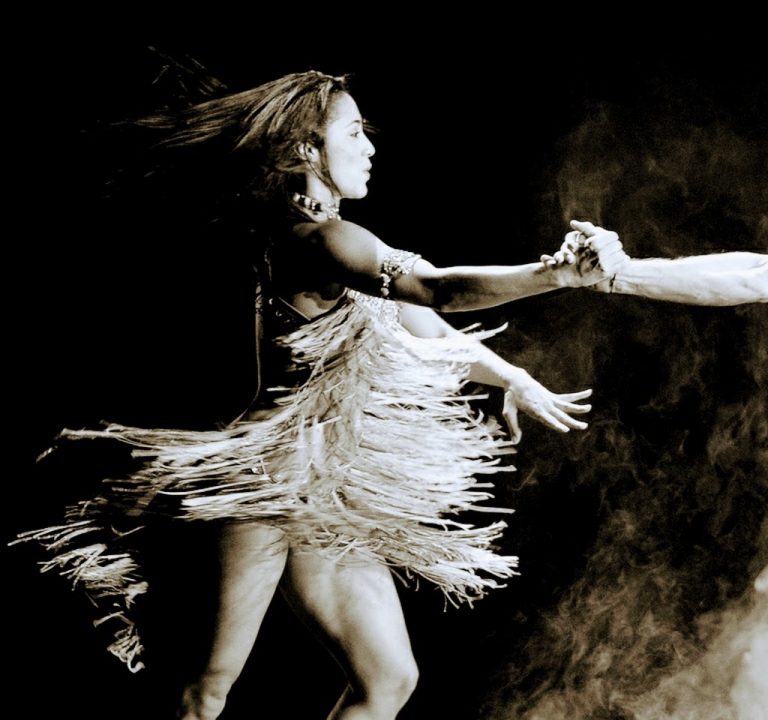

CF Els Dance Studios cc is a Dance school establishment in Secunda, Mpumalanga, South Africa
Secunda
Mpumalanga
2302
South Africa
Curriculum
CF Els Dance Studios cc presents a structured, dynamic curriculum designed to accommodate dancers of all ages and abilities, from early learners to more advanced competitors. Located in Secunda, Mpumalanga, the studio emphasises accessibility with a broad offering that blends solo practice and partner work. The range of programmes reflects the studio’s motto, A B C D – Any Body Can Dance, underscoring an inclusive approach where participation and progression are achievable for everyone who moves to the rhythm of dance.
Across both solo and couple formats, the studio provides a diverse spectrum of styles. Solo options cover a variety of disciplines that do not require a partner, including Solo Classic (encompassing contemporary, Cool Jazz, ballet and Spanish), Solo Latin (Cha Cha, Samba, Paso Doble, Jive, Rumba and Salsa), Solo NRG (Muve, Bhangra, Slow Style and Hip Hop), as well as Country Dance (line dancing and barn dancing) and Lindy Hop/Swing. For those preferring partnered work, Couple Dances such as Ballroom and Latin American (Social), Sokkie & 2Step, and Wedding Dances are available. Entry-level Argentine Tango is also offered within the couple-styles category. This mix enables learners to choose a pathway that aligns with personal interests, ambitions and social dancing goals.
The curriculum is complemented by a pragmatic framework that accommodates progression through novice, bronze and beyond. The Saturday and weekday timetable documents indicate dedicated blocks for energy-focused youth classes, Latin and Classic sessions, and social ballroom activities, illustrating a structured progression from beginner through to intermediate and advanced levels. Although exact course lists and durations are not itemised in detail, the scheduling suggests a planned ladder of skills development and performance readiness, with regular practice opportunities and a focus on both technique and stage presentation.
Competitions, exams and school sport feature as visible anchors within the programme. The studio maintains affiliations with international and national bodies, including International Solo Dance Sport by Mark Dooley, which signals access to a broader competitive circuit and recognised standards. Participation in competitions and exams is supported by the studio’s event forms and calendar, and the forms section indicates a framework for entry into formal assessments and showcases. This alignment with external bodies provides a structured route for those pursuing competitive or examinable pathways, while still allowing enjoyment and personal growth through dance.
Short courses and professional training form an integral part of the offering. The calendar highlights specialised sessions and seasonal camps, including an annual dance camp that has grown over two decades. Such short programmes are designed to accelerate learning, introduce dancers to high-calibre instructors, and foster a community of practice among peers. The presence of a dedicated events calendar demonstrates the studio’s commitment to immersive experiences beyond routine classes, potentially benefiting those preparing for competitions, performances or examinations.
Curriculum support and resources extend into learning aids and accessibility. The Times page reveals a range of class types, including beginner and intermediate sessions, with notes on partner requirements where relevant. This operational detail supports logistical planning for learners and parents, ensuring clear expectations around participation and attendance. The studio’s About and Times sections also emphasise the personnel dimension, noting that all teachers are qualified and experienced dance instructors, which contributes to a consistently high standard of teaching and mentorship within the curriculum.
In terms of progression, the programme is designed to accommodate dancers at five years and older, which aligns with the studio’s inclusive model and its emphasis on movement readiness. While exact entry requirements and tuition for individual tracks are not itemised in the provided material, the emphasis on regular attendance, appropriate dress, and a cooperative learning environment suggests a supportive framework for skill development and performance preparation. The curriculum thus balances personal enjoyment with structured skill acquisition and opportunities for aspirants to venture into competitive or evaluative routes as they mature.
Additional facets of the curriculum include a commitment to regulated fee structures, advance payment arrangements, and year-long registration cycles, all conducted within a professional administrative framework. This indicates a stable, predictable learning environment, where dancers can plan their engagement with the studio over a full dance year while exploring a broad array of styles and learning experiences.
Overall, CF Els Dance Studios cc presents a holistic, multi-styled curriculum designed to nurture dance ability across solo and partner formats, harmonising technique, performance, and competition preparation with accessible entry points for beginners and a clear pathway for progression and specialisation.
Faculties and Branches
CF Els Dance Studios cc operates as a registered close corporation with its main location in Secunda, Mpumalanga. The organisation offers a range of dance programmes designed to cater to dancers of all ages and abilities, emphasising inclusive participation under the motto A B C D – Any Body Can Dance. The studio aligns with relevant national bodies and licensing arrangements to support its activities in performance, competition and education.
The studio presents a clear division between solo and couple dance pathways, creating a structured educational framework for students. Solo styles are available without a partner and include contemporary and theatrical forms such as Solo Classic (encompassing Contemporary, Cool Jazz, Ballet and Spanish) and Solo Latin (Cha Cha, Samba, Paso Doble, Jive, Rumba and Salsa). A further Solo NRG pathway integrates modern movement and energetic formats, while Country Dance offers line and barn dancing. A Lindy Hop/Swing line is also accessible for those pursuing swing-era styles. For partners, the Couple Styles require attendance with a partner twice weekly and encompass Ballroom and Latin American social dances, as well as specialised entries like Argentine Tango, Sokkie and 2Step, and Wedding Dances. This structured split ensures that students can pursue either individual or paired disciplines according to interest and availability.
The organisation emphasises progression through diverse classes, exams, competitions and school sport programmes. Students may engage in competitive tracks through Solo International Dance Sport and other affiliated bodies, subject to annual registrations and related fees. The emphasis on competitions and exams indicates a faculties-and-branches approach in which each style line operates within a coherent, cross-referenced system, supported by teachers with formal training and industry experience. The calendar and forms pages outline the administrative framework for entries, registrations and term-time planning, reflecting a campus-wide approach to student development across different dance forms.
Facilities and scheduling are tailored to accommodate multiple levels, from beginner to intermediate and advanced classes. The Secunda studio operates on a timetable that differentiates by day and level, including beginner, novice and bronze levels, and offers dedicated practice times for school learners. The timetable also lists specialised practice blocks for solo and partner work, as well as line dancing and private instruction. This calendar-based structure demonstrates how CF Els Dance Studios cc coordinates its faculties and branches to support diverse student services, from informal classes for fun to formal training for performance and competition.
Regarding campuses and branches, Secunda serves as the principal location, situated at Highveld Park High School (Trichardt Street), with entry points and access arranged to optimise student flow. The page on times indicates how the studio organises sessions across the week for various cohorts, while events and calendars showcase ongoing activities and collaborative opportunities with guest instructors and recognised bodies. While additional branch details are not extensively listed, the existing Secunda site structure provides a comprehensive hub for programme information, class schedules, and participation in national and international dance sports that shape the studio’s educational reach.
Overall, CF Els Dance Studios cc presents a cohesive faculties-and-branches model, linking a broad spectrum of dance styles and formats to a single overarching programme framework. This arrangement supports learners in pursuing personal growth through physical technique, performance experience and competitive pathways, within a well-organised, branch-based educational environment. For further information on programmes, affiliations or enrolment processes, the official website offers detailed guidance and forms related to competition entries, exams and studio registrations: CF Els Dance Studios cc.
Registration Details
CF Els Dance Studios cc operates as a registered close corporation providing dance education in Secunda, Mpumalanga. The studio emphasises that participation is open to individuals of varying ages and experience levels, under its guiding principle that “Any Body Can Dance.” Registration is overseen on an annual basis, aligned with dance-year cycles, and is required for entry into classes, examinations, and competitions hosted through affiliated organisations.
Overview of the registration process
- Prospective dancers are advised to begin by accessing the studio’s online registration form to express the intention to join. The primary online registration link is available through the studio’s site: CF Els Dance Studios cc – Join Now.
- For Solo Dancers pursuing competition or exam pathways, an annual registration is required, generally administered at the start of the year or upon joining the first class. This process may involve further registration with the International Solo Dance Sport organisation.
- After initial registration, further entries for specific activities (such as competitions or exams) are typically completed via dedicated forms linked from the studio’s site or through partner platforms. Where applicable, competition or exam entries point to external registration forms maintained by the relevant governing bodies.
- Fees and payment structures are communicated as part of the registration materials, with monthly class fees payable in advance and annual registration components handled separately. Details may be updated periodically, with payments expected in line with the current cycle.
Where to apply and links to registration-related resources
- Join CF Els Dance Studios cc: CF Els Dance - Join Now
- Solo Dancers registration pathway (via the Solo Dance network): Join CF Els Dance Studios cc (Solo Dancers)
- Official Solo Dance Sport site for additional registration steps: International Solo Dance Sport
- Forms hub for competitions, exams and other enrolments: CF Els Forms
Eligibility and entry considerations
The studio accepts dancers of diverse backgrounds, with classes available for those aged five and up. The site notes that participation does not require prior experience, reflecting the motto that “Any Body Can Dance.” Entry to specific competitions or examinations may require cloth numbers issued by Solo Dança Latina and adherence to the terms of the respective governing bodies. Annual registration and compliance with the studio’s terms and the governing organisations’ conditions are typically prerequisites for competition entries and formal assessments.
Documents and disclosures
Official documentation is generally managed through the registration forms and the relevant governing bodies. Prospective entrants should anticipate standard registrations and the potential need to obtain or provide a cloth number, as well as any annual registration fees as applicable to Solo Dancers. The studio’s terms and conditions outline expectations around attendance, payments, and the potential withdrawal or termination of participation with appropriate notice.
Contact and support channels
For general information about registration, queries may be directed through the studio’s official site channels. Public-facing references include the Join Now form and related registration pages. Contact points visible on the site focus on the studio’s leadership and public pages, without publishing direct phone or email details in this directory entry. Visitors can use the provided registration links to initiate contact and form submissions.
Sorry, no records were found. Please adjust your search criteria and try again.
Sorry, unable to load the Maps API.
Education and Resources in Secunda, Mpumalanga
Secunda in Mpumalanga sits within a landscape that blends local schooling with access to broader educational networks. The town and its surrounding area offer a mix of learning options designed to support learners at different stages, from primary and secondary school through further education and beyond. Families will typically find a combination of government-supported institutions, community facilities, and vocational pathways that align with regional opportunities and interests.
Within Secunda itself, learners commonly attend primary and secondary schools that follow national curricula, with arrangements that integrate language support, inclusive education, and extra‑curricular activities. Beyond compulsory schooling, there are opportunities to pursue further studies in nearby towns and cities, reflecting a regional approach to education that emphasises accessibility and progression. Where transport and distance are considerations, local community education centres and outreach programmes can provide bridging and enrichment activities to maintain continuity in learning.
For those seeking vocational and technical training, a variety of programmes are typically available nearby through Technical and Vocational Education and Training (TVET) colleges and partner institutes. These courses often span practical disciplines such as engineering technologies, information technology, business administration, hospitality, and health services. Programmes are designed to equip learners with industry-relevant skills, work placements, and progression routes to higher qualifications or direct employment. Entry requirements tend to be straightforward, with guidance available through prospective institutions and provincial education services.
University access, while not located in Secunda itself, is supported by a network of campuses and distance-learning opportunities in the region and neighbouring provinces. Students can plan for study at universities in larger towns and cities within a reasonable travelling distance, with admissions often structured around nationwide and provincial schedules. Distance learning and blended learning options from reputable providers contribute to flexible study paths for working learners or those balancing family commitments.
Learning support and student services form a core part of the educational landscape. Across the sector, learners can expect access to guidance on subject choice, career pathways, and financial planning. Disability and special education needs services are typically available to assist students in navigating academic requirements and accessing appropriate resources. Academic tutoring, study skills workshops, and language support are commonly offered through schools, colleges, and adult education centres.
Facilities and resources in the broader Mpumalanga region commonly include well-equipped libraries with study spaces, computer laboratories, science and technical laboratories, and dedicated spaces for creative and performing arts. Sports facilities, including fields, courts, and gyms, support physical education and club activities. Student accommodation is often available near campuses or through arrangements with university housing schemes and private providers, offering safe and affordable options for those relocating to pursue study. Transportation links and campus connectivity are frequently designed to support learners travelling from surrounding communities.
Typical pathways begin with an informed choice of schooling and subject selection in the early years, followed by senior secondary examination routes such as national senior certificates. Post‑school options then branch into apprenticeships, diploma or certificate programmes at TVET colleges, or admission to universities and similar higher‑education institutions. Registration commonly requires completion of an application window, submission of specified documents, and confirmation of eligibility through the relevant education authority. Where applicable, scholarship and bursary information is provided by schools, colleges, and provincial agencies to assist learners in meeting study expenses.
Overall, Secunda sits within a supportive educational network that recognises diverse routes to learning and career development. The combination of local schooling, vocational training opportunities in the region, and access to higher education pathways helps learners and families navigate progression with confidence while aligning choices with personal interests and community needs. Prospective students are encouraged to explore official education resources and campus open days to gather current information on programmes, admission timelines, and support services.
South Africa Department of Basic Education • Mpumalanga Department of Education