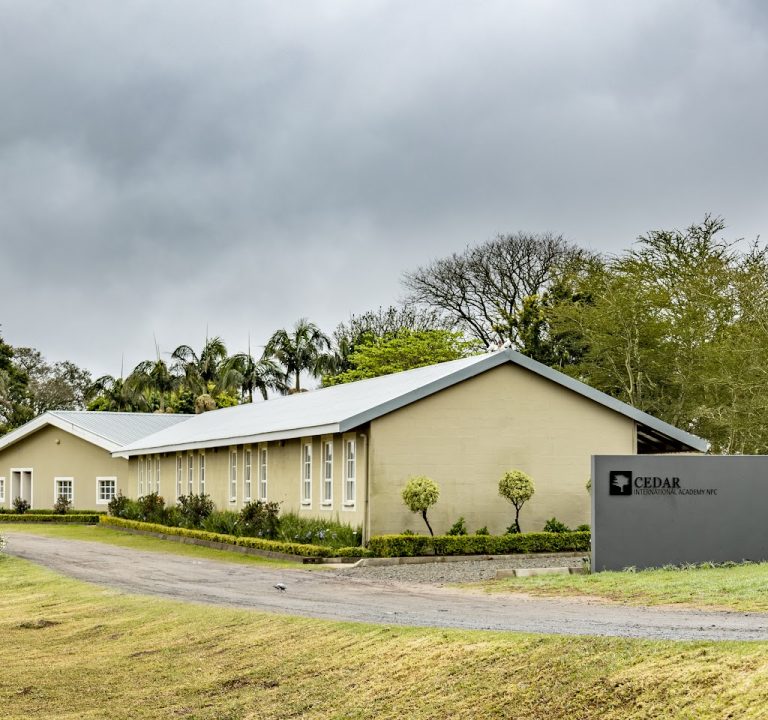
Cedar International Academy NPC is a Private colleges establishment in Kranskop, KwaZulu-Natal, South Africa
Kranskop
KwaZulu-Natal
3268
South Africa
Sorry, no records were found. Please adjust your search criteria and try again.
Sorry, unable to load the Maps API.
Education and Resources in Kranskop, KwaZulu-Natal
Kranskop sits within KwaZulu-Natal as a community where families frequently engage with education across a spectrum of learning environments. The area typically supports a mix of primary and secondary schools, with many learners continuing into nearby vocational colleges, further education and training (FET) centres, or traditional universities located in larger towns and cities within reachable travel times. The educational ecosystem emphasises accessible pathways for learners at different stages, from foundational schooling to more specialised study.
Within Kranskop and its surrounding districts, schools provide a framework of programmes aligned to national curricula. Primary schools focus on core literacy, numeracy, science, and social studies, while high schools extend into subjects such as mathematics, physical sciences, life sciences, and humanities. On offer in the wider region are career and technical programmes at further education colleges and training centres, alongside vocational courses in trades, information technology, and specialised service sectors. These institutions often provide blended learning opportunities, combining classroom instruction with practical workshops to foster relevant skills for local employment.
Student services and learning support are commonly available to assist learners and families. Guidance counsellors may offer assistance with subject choice, study skills, and transition planning between grades or education levels. Tutoring and after-school programmes are frequently organised through schools or community organisations, aiming to strengthen literacy, numeracy, and exam preparation. Financial support schemes, when applicable, are typically accessed through provincial or national programmes, with information shared through schools and local community hubs. Accessibility programmes may also address language needs, attendance support, and inclusive education for learners with special educational requirements.
Facilities and resources commonly found in and around Kranskop contribute to a practical learning environment. Libraries or community learning spaces provide quiet study areas, reference materials, and access to digital resources. Science and computer laboratories support hands-on experimentation and ICT skills development, while workshops and trade classrooms align with vocational interests. Sporting facilities, such as fields, courts, and fitness spaces, support physical education and school teams. In many areas, students may have access to boarding or hostel facilities at larger institutions or along travel routes, offering accommodation options for those who live outside commuting distance.
Higher education and advanced training opportunities are usually pursued in larger towns within KwaZulu-Natal. Prospective students commonly explore universities offering undergraduate and postgraduate programmes across faculties such as arts, sciences, commerce, education, and health sciences. Nearby polytechnic or FET institutions provide diploma and certificate programmes with practical orientations, often geared towards local industries and enterprise development. Admission processes typically involve registration periods, submission of required documentation, and eligibility assessments aligned with national standards. Guidance on course selection, credit transfers, and progression pathways is frequently available through institutional websites and district education offices.
Typical pathways for learners and families involve first completing compulsory schooling, followed by purposeful transitions into further study or training. Learners may choose from school-based subject combinations that align with available post-school opportunities, or pursue vocational routes through dedicated training centres. Ongoing access to libraries, laboratories, and student support services plays a critical role in sustaining academic momentum. For those considering relocation or commuting to larger campuses, information on transport options, accommodation where appropriate, and campus life can help shape informed decisions.
In summary, Kranskop and its surrounds offer a broad spectrum of educational resources, from primary schooling to accessible higher education pathways. The emphasis across the area remains on practical learning, supportive services, and facilities that nurture academic growth and essential skills for local communities.