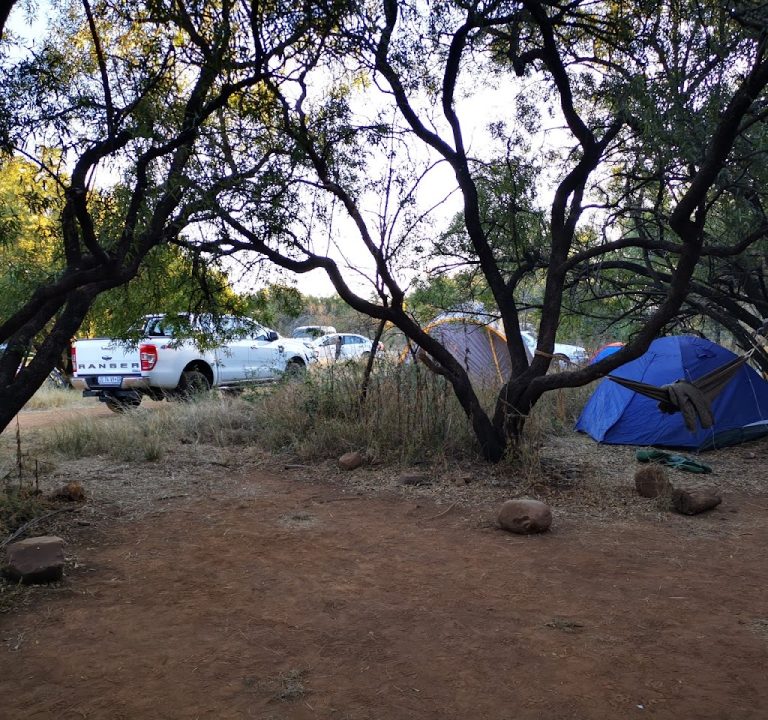
Boswa Survival is a Training centres establishment in Hekpoort, Gauteng, South Africa
Hekpoort
Gauteng
South Africa
Curriculum
Boswa Survival presents a structured set of training programmes designed to equip participants with practical survival skills and confidence across diverse outdoor environments. The organisation positions itself as a leading provider within South Africa's adventure and survival education sector, offering instruction that spans multiple regions including Gauteng, the Western Cape, Cape Town, the Eastern Cape, KwaZulu-Natal, and the North West. The breadth of locations underscores an adaptable curriculum intended to meet varied regional terrains and conditions.
Curriculum focus centres on the fundamental competencies required for safe, self-reliant outdoor living. Learners engage with core areas such as shelter construction, firecraft, water procurement and purification, navigation, signalling, first aid in remote settings, and risk assessment. These elements are typically taught with an emphasis on practical application, enabling participants to transfer theory into hands-on ability in realistic outdoor scenarios. The design supports progressive learning, allowing novices to build a solid foundation before advancing to more challenging tasks and decision-making under pressure.
Across the programme spectrum, emphasis is placed on developing critical thinking, situational awareness, and problem-solving skills that are essential for survival and personal resilience. Instruction is complemented by situational drills that simulate real-life circumstances, encouraging students to apply techniques in dynamic environments. The curriculum’s structure seeks to balance theoretical understanding with experiential learning, ensuring that learners gain confidence through repeated, supervised practice.
Short courses and professional training form a notable dimension of the offerings. These targeted modules are designed to provide concise, capability-focused exposure to essential survival topics. While the specific modules and durations are not itemised in public materials, the inclusion of short courses reflects an approach that accommodates both introductory learners and those seeking specialised, time-efficient training suitable for personal development or professional needs.
Blended and online components are not explicitly advertised in the available materials. The emphasis appears to be on in-person, field-based instruction conducted at Boswa Survival’s training venues, where hands-on experience and guided practice can be maximised. The programme design aligns with outdoor education best practices, leveraging face-to-face supervision to reinforce safety, technique accuracy, and learner confidence in real-world contexts.
Support for students and learners is an integral facet of the curriculum approach. While explicit details on support services are not enumerated in the public content, the organisation’s established history and wide geographic reach suggest an infrastructure that facilitates accessibility, scheduling flexibility, and ongoing instructor guidance. The operational framework aims to help learners progress through their chosen pathways with clear instructional milestones and practical outcome measures.
Distinctive learning resources highlighted by the provider include a focus on essential outdoor equipment and gear, with the Survival Shop offering products that support practical training and personal preparedness. The availability of a comprehensive training course calendar indicates a structured, calendar-driven approach to academic planning, enabling prospective participants to anticipate course offerings, prerequisites, and progression opportunities.
Overall, the curriculum reflects a commitment to cultivating competent, safety-conscious outdoors practitioners. By combining regionally attuned instruction, core survival competencies, and a clear progression through training and short courses, Boswa Survival positions itself as a practical choice for individuals seeking meaningful, experiential education in outdoor survival and related skills. For those interested in further details or booking information, the primary portal remains the official website, where course calendars and booking options can be accessed.
Further information and access to course calendars can be found at Boswa Survival.
Faculties and Branches
Boswa Survival operates as South Africa’s leading accredited survival training academy, with a national footprint spanning multiple regions. The organisation presents itself as a specialised training provider offering courses in survival skills, personal resilience and outdoor preparedness, rather than a traditional academic faculty structure.
The site signals the existence of a network of training branch locations designed to deliver practical programmes across various provinces. Regions explicitly referenced include Western Cape, Gauteng, Cape Town, Eastern Cape, KwaZulu-Natal and North West. Within this framework, a basecamp is mentioned in Gauteng, indicating a central point from which operations and courses may be managed or coordinated.
In addition to the core training offerings, Boswa Survival provides a dedicated Survival Shop that supplies essential outdoor products. This complements the training activities by supporting students and enthusiasts with equipment aligned to the courses and practical exercises.
Programme delivery is presented through an opt-in course structure—visitors are invited to click on a course for detailed information and booking. The directory-style presentation implies that courses are organised to align with practical outcomes and survival capabilities, though specific departmental names or schools are not enumerated on the site.
Student services and communication channels are streamlined through an online enquiry form, enabling potential learners to obtain information about courses and products. The site also offers a general contact point for inquiries related to both training and merchandise, alongside a message facility for direct engagement.
Overall, the Boswa Survival framework centres on outdoor survival training delivered across multiple regional branches, supported by a retail arm and a direct-to-enquiry service. The structure supports diverse learners—from adventure seekers to those pursuing formal skill development—within a network anchored by a Gauteng basecamp and extended coast-to-heartland reach.
- Staff, centres and course coordinators are positioned to guide learners through practical curricula and field-based exercises.
For more details on locations, courses and products, visitors may consult the official Boswa Survival website: Boswa Survival.
Registration Details
Registration for Boswa Survival courses is organised through the organisation’s dedicated training page, where prospective participants can access information about the wide range of survival and outdoor courses offered across South Africa. The core approach is to guide applicants from initial interest to the point of booking via the site’s course listings and related resources. Interested individuals should start by exploring the available courses and selecting the programme that best fits their aims, skill level and time frame.
Course information is presented by each training option, with details on what the course entails, its aims and any relevant prerequisites or suitability notes. Once a course has been identified, the next step is to engage with the registration or enquiry mechanisms provided on the site. The organisation directs prospective learners to use the online enquiry pathway to obtain booking information and to receive tailored guidance on registration. This process is designed to connect applicants with course specifics, availability, and any essential steps required to secure a place.
The site provides direct avenues to initiate contact for course-related enquiries. A prominent option labelled “Click here” invites prospective learners to message the Boswa Survival team with questions about courses and products. This channel appears to be a straightforward method to request further information, confirm course details, or obtain guidance on the registration process. In addition, the organisation offers a general contact point through its online presence, enabling interested individuals to inquire about various training and equipment options.
An additional resource available to visitors is the complete training course calendar. This downloadable calendar can be consulted to gain an overview of course timing, duration and the sequence of offerings across the year. While the calendar provides structure for planning, specific registration would still be completed through the site’s enquiry and booking pathways, ensuring that applicants receive the most up-to-date information before committing to a programme.
Where to apply is clearly indicated through the training section of the Boswa Survival website. By navigating to the Training Courses area, potential participants can identify the course of interest and access the corresponding booking or enquiry details. If available, links to course pages and the calendar are provided to support a seamless registration experience. The site also features a general homepage navigation that can assist visitors in locating the correct section for registration-related information.
Support channels are oriented toward online engagement. The website emphasises an enquiry form and the “Click here” option as primary means of initiating contact. These tools enable prospective learners to receive direct assistance from Boswa Survival’s team, clarifying requirements, availability and any next steps in the registration process. The absence of postal addresses or direct telephone numbers within the public-facing content aligns with a preference for digital communication through the site’s forms and links.
For those seeking more information or wishing to begin the registration journey, the site provides succinct access points: explore the course listings under Training Courses, review the complete training calendar, and utilise the online enquiry and message options. These elements work together to create a straightforward path from initial interest to confirmed participation in Boswa Survival’s training offerings.
Sorry, no records were found. Please adjust your search criteria and try again.
Sorry, unable to load the Maps API.
Education and Resources in Hekpoort, Gauteng
Hekpoort sits within Gauteng’s mix of rural and semi-urban communities, where families frequently navigate a blend of formal schooling, tertiary training, and continuing education opportunities. The area is served by a range of institutions and support services that together offer pathways for learners at different stages, from primary schooling through to higher education and vocational training.
Primary and secondary education in and around Hekpoort typically follows national and provincial curricula designed to develop foundational literacy and numeracy, subject knowledge across major disciplines, and preparation for national examinations. In many instances, learners access schools that emphasise inclusive education, providing learning support for diverse needs, including additional language assistance, remedial programmes, and enrichment activities. The availability of a stable school timetable, transport options, and safe facilities contributes to a predictable framework for student progression.
Beyond school campuses, a spectrum of further education opportunities exists for older learners. Local and surrounding areas may host college and technical institute programmes that align with skills sought in Gauteng’s economy. Typical offerings cover practical qualifications in fields such as business administration, information technology, engineering-related trades, hospitality, and health sciences, alongside more general academic routes suitable for university entrance. Short courses and modular programmes are common, enabling learners to augment existing qualifications or explore new interests without committing to a lengthy programme.
Learning support services frequently extend beyond classroom settings. Many institutions provide guidance on study skills, career planning, and subject choice, with access to academic advisers, counsellors, and transition support. Libraries and study spaces on campus offer quiet study areas, access to textbooks, and digital resources. In some locations, online learning platforms complement on-site instruction, enabling flexible study alongside part-time work or family responsibilities. Language support and translation services may also be available to assist learners navigating new educational environments.
Facilities in the Hekpoort region generally emphasise practical resources alongside traditional classrooms. Well-equipped laboratories and workshops enable hands-on learning in science, technology, engineering, and mathematics. Sporting facilities and extracurricular clubs contribute to holistic development, encouraging teamwork, discipline, and healthy lifestyles. Student accommodation trends in the wider area vary, with some institutions providing on-site housing or partner housing options for students relocating for study, subject to availability and local requirements.
Typical pathways for progression include straightforward registration and placement processes at the start of each academic year. Prospective learners are usually advised to verify recognition of prior qualifications, undertake any required assessments, and meet programme-specific benchmarks. Information about entry requirements is typically provided by the respective institution or the provincial education department, with guidance available to help learners plan a coherent route from school to higher education or vocational training.
For families and learners seeking detailed, up-to-date information, regional education authorities and official portals offer programme outlines, admission timelines, and support services. Local libraries, community centres, and learning hubs also act as community anchors, hosting workshops, literacy programmes, and information sessions that strengthen the learning ecosystem in Hekpoort and its environs.
Links to explore further within South Africa’s education system can include provincial education departments and national education resources, which provide overarching guidance on curricula, accreditation, and learner support services. Community guidance initiatives and local school websites often supply practical details on campus locations, special programmes, and the arrangements that best suit individual circumstances.