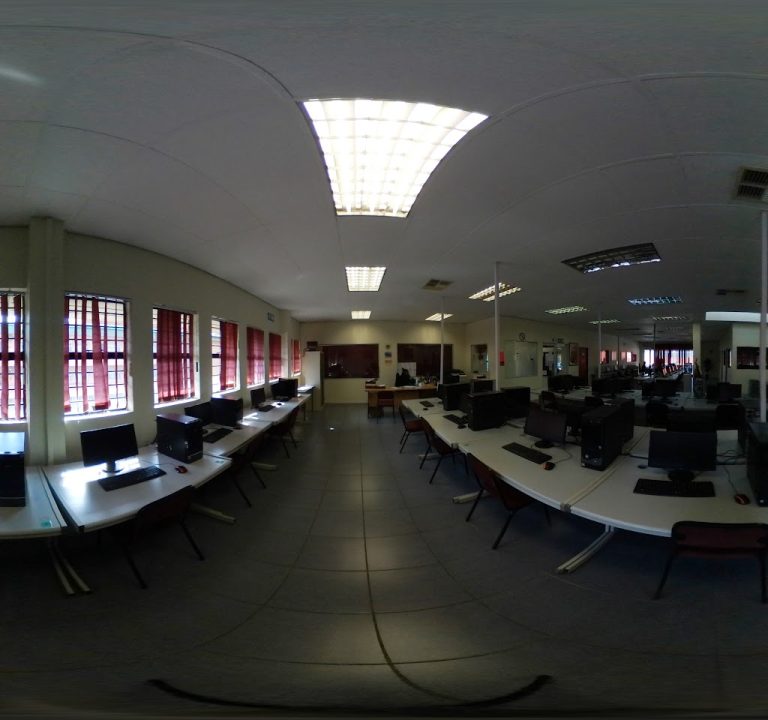
Boston City Campus – Pretoria North is a Private colleges establishment in Pretoria, Gauteng, South Africa
Pretoria
Gauteng
Pretoria North, Pretoria
South Africa
Curriculum
Boston City Campus – Pretoria North presents a diverse range of higher education offerings designed to cater to varying career paths and study preferences. The institution emphasises progression through its suite of programmes, including MBAs, degrees, diplomas, advanced diplomas, higher certificates, and short learning programmes (SLPs). Students may access study options at different levels, enabling both foundational entry and advanced specialisation within disciplines relevant to contemporary workplaces.
The curriculum is organised around broad fields of study, with dedicated faculties and programme streams that encompass Accounting & Financial Services, Advertising, Communication & PR, Business Management & Leadership, Marketing, Hospitality, Events & Tourism, ICT, Law & Human Resources, Lifestyle & Digital Music, Social Science, Health & Sports, and more. This structure allows learners to pursue focused study while maintaining coherence with employer demand and professional standards. Learners can explore both core course material and area-specific electives within these fields, subject to entry requirements and available delivery modes.
A distinctive feature of the Boston curriculum is its clear emphasis on employability and practical application. Short Learning Programmes (SLPs) are designed to meet immediate workplace needs or personal development goals. These non-credit bearing courses offer targeted skill-building in areas such as administration, customer service, bookkeeping, IT basics, marketing, and hospitality, among others. SLPs are often delivered in a distance learning format with learner support through campus facilities, enabling swift uptake of practical competencies without committing to a full degree pathway.
In parallel, the institution provides gateway and access-focused offerings. Some programmes include gateway SLPs and access pathways intended to support progression into higher education qualifications. This approach aligns with an RPL (recognition of prior learning) framework, where credentials earned through prior study or work experience may facilitate entry or advanced placement in Boston’s higher education programmes.
Delivery modes recognised across the curriculum include distance education with supplementary support centres, as well as blended and on-campus elements where available. This mix enables flexibility for working students and those who prefer structured educator guidance alongside self-directed study. Information about specific delivery modes, programme details, and entry requirements is accessible through the institution’s prospectus and individual programme pages.
Support services integral to the curriculum emphasise student guidance and success. A dedicated Student Advisor and Graduate Support Services are highlighted as part of the overall learner experience. These resources assist with study planning, progression routes, and post-course pathways, ensuring that students receive guidance beyond the classroom. In addition, resources such as textbooks and digital materials are frequently referenced in the context of course delivery, supporting learning outcomes and independent practice.
Short courses and professional training form an important part of the curriculum ecosystem. Besides providing immediate workplace relevance, these courses also offer potential routes to broader Boston qualifications. The inclusion of digital learning elements and credentials-badges reflects the institution’s commitment to modernising pedagogy and recognising learning in varied formats, which can be valuable for career development and portfolio-building.
For prospective students evaluating curriculum breadth and depth, the prospectus, programme pages, and faculty descriptions provide essential information about course scope, progression opportunities, and accreditation status. While exact fee schedules, durations, and entry requirements are not stated here, the materials indicate a transparent framework aimed at helping learners make informed decisions about their academic and professional journeys.
Overall, the Curriculum at Boston City Campus – Pretoria North emphasises a structured yet flexible pathway across higher education, with robust support mechanisms, practical short courses, and blended delivery options designed to help learners go further in chosen fields.
- Areas of study span Accounting & Financial Services, ICT, Business Management, Advertising & PR, Hospitality & Tourism, Law & HR, and Health & Sports.
- Short Learning Programmes offer immediate skill uplift and RPL-friendly progression opportunities.
- Distance education with Learner Support Centres supports flexible learning while maintaining access to guidance.
- Student advisory and graduate support services aim to assist with study planning and career progression.
For further details on specific programmes and delivery options, readers are encouraged to consult the Prospectus and programme pages available through the Boston City Campus website: https://www.boston.ac.za/.
Faculties and Branches
Boston City Campus – Pretoria North operates within a national higher education framework that groups study into broad fields of learning. The institution presents a structured array of faculties and specialised areas designed to support both academic progression and workplace-ready skills. The approach emphasises practical applications, with many programmes delivered in distance or hybrid formats supported by local learner centres. Where specific branch details are not publicly itemised for Pretoria North, the college’s national footprint is reflected by a network of learner support centres and campuses that enable access to programmes across South Africa.
The following faculties and fields of study are featured in the Boston offering, each linking to dedicated pages with programme routes, pathways, and delivery modes:
- Accounting & Financial Services
- Advertising, Communication & PR
- Business Management & Leadership, Marketing, Administration & Service
- Hospitality, Events & Tourism
- Information Communications Technologies (ICT)
- Law & Human Resources
- Lifestyle & DigitalMusic
- Social Science, Health & Sports
In addition to the faculties, the institution offers a range of Short Learning Programmes (SLPs) and higher education options, including diplomas, degrees and postgraduate qualifications. Short courses are designed to address immediate workforce needs and may be undertaken in a manner compatible with distance study, supervised by Boston’s learner support centres. This structure supports Pretoria North students by providing accessible pathways and progression opportunities within a national network.
Branches, campuses and centres: Boston City Campus operates a nationwide network, with Pretoria offerings historically connected to the Pretoria region through learning centres and campus collaborations. While site pages explicitly listing Pretoria North as a standalone campus are not consistently enumerated, the Pretoria presence is reinforced by regional access points and supportive services for enrolment, study planning, and progression. Prospective students in Pretoria North are advised to explore the main Boston site for campus finder and learner support centre details, as well as any Pretoria-area delivery or partner arrangements.
Programmes and student services: The site emphasises student support alongside the academic mix. Supported features include international accreditation information, a dedicated Student Advisor role, and access to Graduate Support Services. Textbooks are included in many programmes, and pathways for further study, including RPL (recognition of prior learning) routes, are highlighted across the faculty pages. These elements collectively illustrate how programmes, learner services, and campus access are intended to work together for students based in Pretoria North and the surrounding area.
For those seeking direct information on Pretoria North enrolment options, delivery modes, and the latest campus-related services, the official Boston City Campus website provides primary guidance and links to the appropriate faculty pages and learner support resources: Boston City Campus.
Registration Details
Boston City Campus – Pretoria North presents its registration and enrolment process through accessible online and on-site options to prospective learners. The institution emphasises a path that blends flexible study modes with support structures designed to assist applicants from initial enquiry through to enrolment and ongoing study. Prospective students are encouraged to begin with an application or enquiry to establish the most suitable programme pathway and start date, reflecting the campus’s commitment to practical, work-relevant education.
Application and registration steps are outlined through the institution’s online channels. Interested individuals can begin the process by visiting the main Apply/Enquire platforms, which provide a straightforward entry point for registering or seeking further information. These online routes are complemented by the option to apply or enquire at a Boston City Campus Learner Support Centre, allowing prospective learners to receive in-person guidance on course choices, entry requirements, and the registration timetable. The available online entry points include the primary Apply/Enquire Now links, which direct applicants to the Boston website’s registration workflow and information resources.
Where to apply is clearly defined on the Boston City Campus site. The Apply/Enquire Now links are prominently displayed on programme pages and the homepage, guiding users to the correct registration pathway. These links enable applicants to submit an application or request additional information, with the expectation that support will be provided by campus staff or Student Advisors during the process. The site also notes that certain programmes may be offered in distance mode with learner support, reinforcing the importance of connecting with a Learner Support Centre for registration and ongoing academic assistance.
Eligibility and entry requirements are specified for some short courses and programmes offered by Boston City Campus. For example, entry to the Call Centre Operator Short Learning Programme requires a Grade 10 Certificate, National Certificate (Vocational) Level 2, or an equivalent qualification. It is also indicated that applicants may pursue Recognition of Prior Learning (RPL) entry via the Academic Committee at the Boston Head Office. Although these criteria are programme-specific, they illustrate a general framework in which eligibility is determined by an applicant’s current qualifications and any recognised prior learning. Where specific entry requirements are stated, these should be reviewed on the relevant programme page before submitting an application.
Documents typically required for registration are not exhaustively listed across all pages; where documents are specified, learners should refer to the entry requirements for the chosen programme. When applicable, evidence such as prior qualifications or certificates may be needed to support admission, particularly for RPL routes or programmes with specific prerequisites. In all cases, applicants are advised to use the Apply/Enquire channels to confirm exact documentation requirements for the selected course or learning programme.
Contact and support channels are available through the site to assist prospective learners throughout the registration journey. The Boston site provides a dedicated Student Advisor resource and opportunities to contact staff via online enquiry forms or the Apply/Enquire portal. Visitors can also consult the Prospectus and the programmes’ individual pages for further details, including sub-links to specific faculties and courses. When in doubt, engaging with the online enquiry tools or visiting a Boston Learner Support Centre is encouraged to obtain personalised guidance on registration steps, eligibility, and the appropriate learning pathway.
For those ready to begin the registration process, the following online routes offer direct access to applying or requesting information:
Overall, the Registration Details section presents a pragmatic, learner-centred approach: understand the programme requirements, initiate the application through provided online channels or in person at a Learner Support Centre, and engage with campus staff for guidance on eligibility, documentation, and next steps in the journey toward higher education at Boston City Campus – Pretoria North.
Sorry, no records were found. Please adjust your search criteria and try again.
Sorry, unable to load the Maps API.
Education in Pretoria: Resources for Learners and Families
Pretoria, the administrative capital of South Africa, offers a diverse landscape of educational opportunities across different stages of learning. From early childhood development and basic schooling to higher education and specialised training, the city provides a broad spectrum of options designed to support learners and their families in pursuing knowledge, skills, and personal growth.
In terms of schooling, the area encompasses a range of public, private, and independent institutions servicing primary and secondary education. Typical programmes cover core subjects with a balanced emphasis on language proficiency, mathematics, sciences, social studies, arts, and physical education. Many schools also incorporate scholarship opportunities, inclusive education practices, and programmes for learners who require additional support or enrichment. Admissions processes commonly involve general registration periods, with considerations such as academic records, placement testing, and alignment with language of instruction. Families often navigate options that include bilingual or dual-medium instruction, depending on the school profile and capacity of the institution.
Higher education and further education are well represented through universities, colleges, and specialised training centres. Universities commonly offer undergraduate and postgraduate programmes across disciplines such as the arts and humanities, sciences, engineering, business, health sciences, and education. Colleges may focus on vocationally oriented programmes, diplomas, and certificates that bridge into professional practice or further study. For learners seeking flexibility, many institutions provide part-time study, online components, or blended learning pathways that accommodate work or family commitments. General pathways typically involve application through centralised or institution-specific portals, with guidance available on programme selection, credit transfer, and progression routes.
Beyond traditional degree routes, Pretoria's educational ecosystem includes training and skills centres that focus on practical competencies, apprenticeships, and professional development. These facilities often partner with industry or sector bodies to deliver hands-on learning, work-integrated experiences, and recognised qualifications aligned with employment needs. Short courses, language programmes, and digital literacy offerings are also commonly accessible, supporting lifelong learning and career advancement for a wide audience.
Learning support and student services feature prominently in the city’s institutions. Support structures may address study skills, academic advising, tutoring, and disability access services, alongside mental health and well-being resources. Language support, writing centres, and numeracy enrichment programmes are frequently available to assist learners at different stages of their educational journey. Financial guidance, bursaries, and information about student funding may be offered through centralised services or individual institutions, helping families navigate costs and payment options.
Facilities and resources are an essential component of the educational landscape. Libraries, laboratories, and computer suites provide spaces for independent study, collaborative projects, and research. Sports facilities, including fields, courts, and fitness centres, support a range of athletic activities and school or college teams. On-campus accommodation for students is sometimes available at universities or residentially aligned campuses, with guidelines and eligibility determined by housing offices or student services departments. Safe transportation options and well-maintained campuses contribute to an environment that supports both academic fulfilment and personal development.
Typical pathways for learners move from registration and placement, through programme selection and progression, to qualification or recognised certification. Prospective students are encouraged to explore entry requirements, prerequisite subjects, and essential documentation early in the process. Guidance is commonly provided by school career offices, university admissions teams, or dedicated information centres, helping families understand timelines, deadlines, and potential alternatives if initial plans require adjustment.
- Types of institutions: schools (public/private/independent), colleges, universities, and specialised training centres.
- Common programmes: core school subjects, diplomas, undergraduate and postgraduate degrees, vocational and professional courses, and short learning programmes.
- Support services: academic advising, tutoring, disability services, language and writing assistance, mental health resources, and financial guidance.
- Facilities: libraries, laboratories, information technology resources, sports and recreation facilities, and on-site accommodation where available.
- Typical pathways: admissions and registration processes, programme selection, credit transfer, progression to degrees or certificates, and information on funding where applicable.
Overall, Pretoria presents a multifaceted educational environment with a broad array of opportunities for learners at every stage. The combination of diverse institutions, supportive services, and well-equipped facilities supports a pathway that can adapt to individual goals, whether aiming for academic study, professional training, or lifelong learning.